

These investments are part of the Defence Capability Plan highlighted in April, when New Zealand announced plans to increase defence spending by NZ$9 billion ($5 billion) over the next four years.
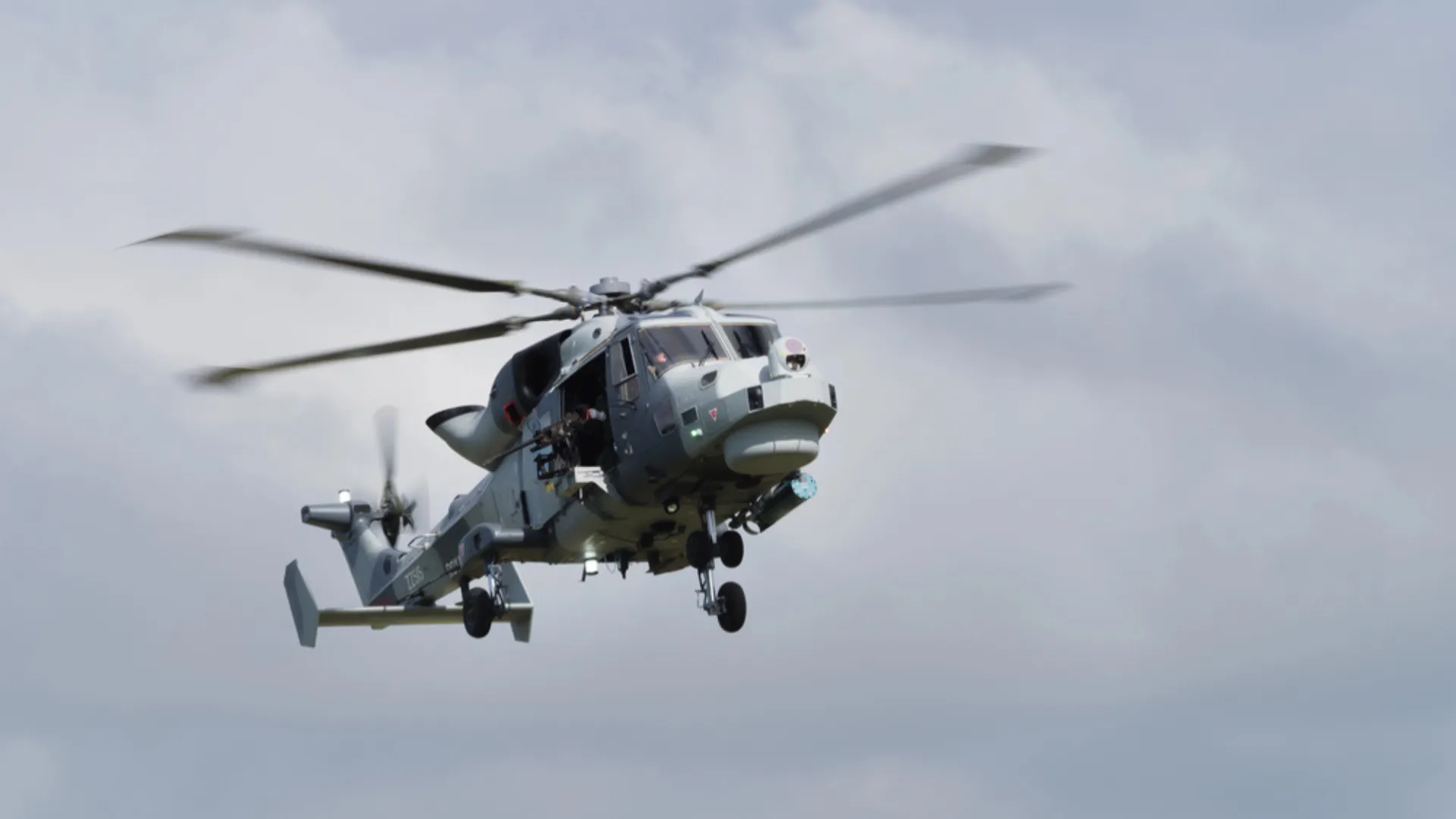
New Zealand will buy five MH-60R Seahawk helicopters and two Airbus A321XLR aircraft for NZ$2.7 billion ($1.6 billion), marking the first major investment since the country decided to replace its ageing defence fleet.
According to Defence Minister Judith Collins and Foreign Minister Winston Peters, the purchase of Lockheed Martin‘s maritime helicopters will be NZ$2 billion, while the remaining NZ$700 million will be used to buy the A321XLRs.
Collins explained that the government aims to purchase these helicopters directly through the United States‘ Foreign Military Sales programme rather than issue a wider tender. The Cabinet is likely to finalise the details of this arrangement in 2026. The two new Airbus aircraft will be acquired on a six-year lease-to-buy agreement and will replace the Boeing 757 planes.
Over three decades old, the New Zealand Defence Force’s two 757s are no longer working at optimal capacity, prone to several frequent breakdowns. In June 2024, the defence force plane chartering the Prime Minister Christopher Luxon to Japan broke down, forcing him to take a commercial flight. The Boeing 757 broke down during a refuelling stop in Papua New Guinea, leaving the business delegation and journalists stranded in Port Moresby, with only Luxon flying to Tokyo. Therefore, Wellington authorities are determined to rebuild a more reliable, interoperable and combat-capable fleet.
These investments are part of the government’s Defence Capability Plan highlighted earlier this year. In April, New Zealand announced plans to increase defence spending by NZ$9 billion ($5 billion) over the next four years. Amid heightened geopolitical tensions, Luxon has urged increased spending to ensure prosperity. Consequently, the government aims to double its spending to 2% of GDP over the next eight years.
Peters said that the government is on high alert as national security threats are increasing and the global political climate is becoming increasingly fractured. An intelligence report released by the New Zealand Security Intelligence Service (SIS) revealed that, in recent times, New Zealand has been threatened by increased attempts of foreign interference and espionage, particularly from China.
The report revealed that there was certainly undetected espionage, compromising the country’s interests and that foreign states have been targeting New Zealand’s critical organisations, infrastructure and technology to steal confidential information. China, Russia and Iran have been named in the report and accused of trying to engage in deceptive activities, gain access to technology and information which could ultimately aid them in achieving their goal of influencing certain discussions and decisions taken by the government.
China has been described as an ‘assertive and powerful’ actor and is allegedly willing and capable of undertaking intelligence activity which could make Wellington’s interests vulnerable. The Chinese Embassy in New Zealand is yet to respond to these claims. New Zealand, which is part of the Five Eyes, has consistently raised alarms over China’s growing influence in the region.
The report titled New Zealand’s Security Threat Environment is an annual report published to inform citizens about such security risks. Director-General of Security Andrew Hampton has called for this report to be taken more seriously. The report has also underscored the growing threats of violent extremism, explaining that any potential attacks could be carried out by lone actors who are subject to online radicalisation.
In April, the Prime Minister had said that while economic growth and development remain his top priority, it would be impossible without security and defence. In 2024-2055, New Zealand’s Defence Force spending was nearly NZ$5 billion, and therefore, the NZ$9 billion investment was a significant boost.
The country has struggled with defence underspending as it comprised only 1% of GDP for decades. With that amount now doubling to 2%, the defence force plans to invest in improving strike capability, the purchase of an uncrewed aerial system, along with replacing ageing helicopters and aircraft.