
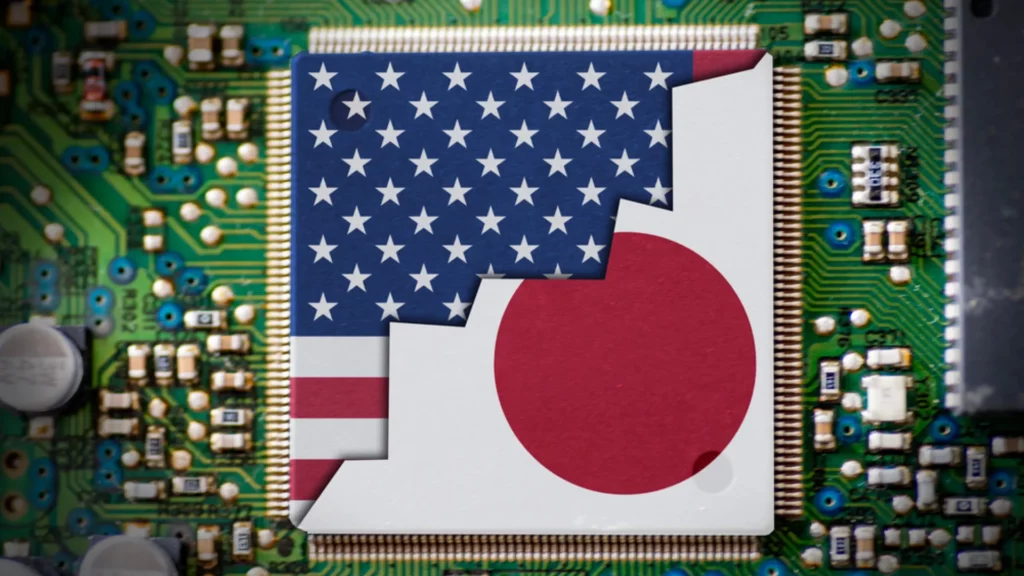
US President Trump made a trade deal with Japan that lowers tariffs on car imports and protects Tokyo from new tariffs on other products in exchange for the $550 billion investment and loan package.
The US will announce details about Japan’s $550 billion investment in the country, according to Commerce Secretary Howard Lutnick, who mentioned that a leading Japanese trade envoy will travel to Washington to formalise the deal.
Lutnick noted that Japanese investment will help in the manufacturing of goods such as semiconductors, antibiotics, and rare earth in the United States.
Ryosei Akazawa, Japan’s chief trade negotiator, will visit America this week. He will discuss the financial terms of the agreement, including the distribution of investment returns between the US and Japan, a government source stated.
In July, Washington and Tokyo reached a deal to reduce 15% tariffs on imports from Tokyo
in return for the $550 billion package of investment directed towards the world’s largest economy via government-supported loans and guarantees, although details are still unclear.
US President Trump made a trade deal with Tokyo that lowers tariffs on car imports and protects Tokyo from new tariffs on other products in exchange for the $550 billion investment and loan package.
The agreement is the most significant of several that Trump has secured since he announced global tariffs in April; however, as with previous deals, exact details remained unclear.
Under the deal, the Asian powerhouse will buy 100 Boeing planes and increase its defense spending with Washington-based companies to $17 billion annually, up from $14 billion, according to a White House official.
Japan’s auto industry, which accounts for more than a quarter of its exports to USA, will see current tariffs reduced to 15% from the previous 27.5%. Duties on other imports, which will take effect on August 1, will be lowered from 25% to 15%.
US Treasury Secretary Scott Bessent explained that Japan received 15% auto tariffs because it was offering an innovative financing mechanism that he believed other countries did not match.
While Trump claimed that Washington would keep 90% of the profits, Japanese officials have stressed that investment decisions will be based on whether they will also benefit Tokyo.
SoftBank Group $2 billion investment in Intel, which was revealed last week, was not included in the package at the time, a government source from Tokyo stated.
Japan will also purchase $8 billion in agricultural products and increase rice purchases by 75%, according to a White House executive. Ishiba said that American rice imports may increase under the existing framework, but the agreement will not affect Japanese agriculture.
Akazawa mentioned that his upcoming trip to America has not been confirmed and declines to comment on Lutnick’s statements. He added that the government will continue to request that the White House reduce tariffs on goods from the Asian country soon.
The Trump Administration has requested that Japan document the investment agreement in writing; however, Tokyo authorities prefer to keep the deal less legally binding, as reported by Nikkei Business.
The lack of a definitive document regarding the trade deal has led to some confusion in Tokyo about tariff rates until Lutnick and Treasury Secretary Bessent clarified earlier this month that imports from Tokyo will be exempt from overlapping tariffs.
Lutnick and Bessent assured that Trump would issue another order to reduce tariffs on Japanese cars from 27.5% to 15%, although they did not mention the timing of the change.
Japanese Prime Minister Shigeru Ishiba stated that Tokyo chose not to have a formal trade agreement with Washington because it sought a swift resolution and ensured that Trump’s tariffs on key Japanese exports, such as autos, were lowered promptly.
Ishiba’s approval ratings have increased in recent polls thanks to the trade agreement, despite his ruling coalition losing its majority in an upper house election.