
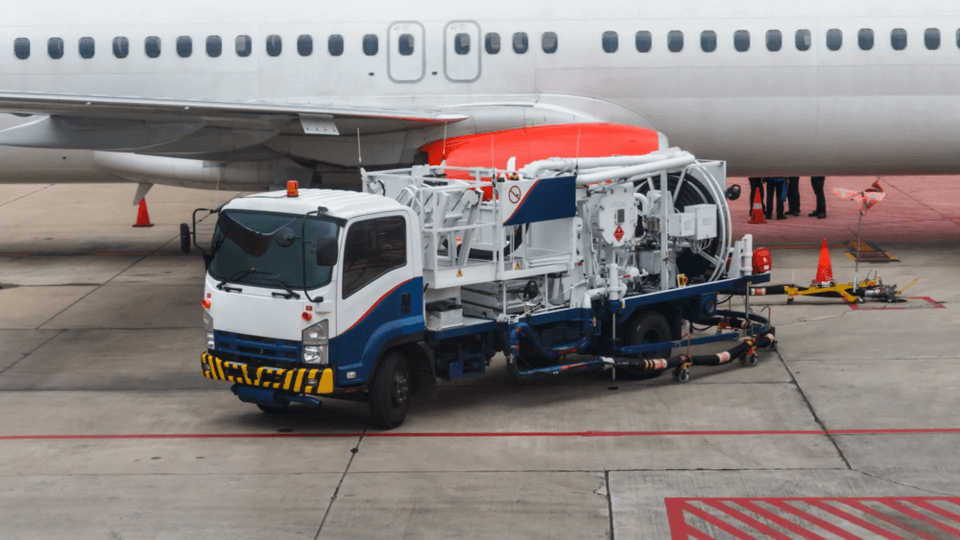
The European Union has already set a minimum tax for other fuels, such as electricity and petrol used in cars.
The European Union (EU) is considering a 10-year pause on introducing taxes on aviation and shipping fuels across the Union. This comes amid the EU’s efforts to implement long-delayed energy tax reforms.
In 2021, the European Commission proposed a range of changes to energy tax rules. This might help with the countries’ efforts to combat the climate crisis. This included a gradual introduction of taxes on carbon dioxide-emitting fuels from flights and ships across the EU, as they are currently exempt from the Union-wide minimum taxes.
However, the government opposes changes and is considering a 10-year extension that would keep aircraft and shipping fuels exempt from EU taxes, according to the EU negotiating draft. In 2035, the Commission will review the reform of putting taxes on air and waterborne navigation and propose amendments to the Directive if needed. Negotiators from EU countries will discuss this at a meeting in Brussels on Friday.
Only small aircraft with a maximum seating capacity of 19 passengers and boats are classified as private pleasure craft, and they may be subject to taxes before the 10-year period ends, the draft stated. The exemption will aim to maintain the competitive edge of Union companies, it noted.
The European Union has already set a minimum tax for other fuels, such as electricity and petrol used in cars. Environmental activists have always urged tax reforms that favour cleaner fuels over others that cause pollution and are less efficient. However, changing European Union tax policy is extremely challenging, as it requires consent from all EU member states, meaning any individual government can object to it.
Countries which has large shipping industries and tourism sectors have opposed this reform, as stated by EU diplomats. There was a previous discussion to temporarily exempt countries like Ireland, Malta, and Spain, but it lacked support among governments.
European Union countries are attempting to exempt the tax on aviation fuel to benefit countries such as Ireland, Cyprus, Malta, Spain, and Greece, as revealed in a draft document.
A compromise proposal, initiated by Belgium, which is leading the EU rotating presidency, showed that countries are negotiating to have softer rules for islands, both independent islands and island territories, which are dependent on shipping and aircraft for transport and trade. The draft compromise would help postpone the jet fuel tax for islands until 2032.
The case for other countries is that a minimum European Union tax rate would apply from 2028 and gradually increase, while European Union member states can implement their own national taxes right after the policy is adopted. These changes will likely win support from island countries that have voiced concerns that the policy would significantly impact their economies. Islands would also receive some exemptions from EU minimum tax rates on shipping, according to the draft compromise. However, the problem is that exempting islands could undermine the policy’s ability to reduce greenhouse gas emissions.
The flights travelling from and to the islands account for 22% of all fuel consumption from flights within the European Union, according to a campaign group, Transport and Environment.
EU diplomats are going to discuss the compromise, and if there are no objections from any of the countries, they will send the proposal to their ambassadors for confirmation. But some EU diplomats have previously warned that implementing these reforms will lead to an increase in fuel prices for voters.
The most recent draft was produced by Denmark, which currently holds the EU’s rotating presidency. A spokesperson for Denmark’s EU presidency stated that they aim to reach an agreement on tax reforms by November.