
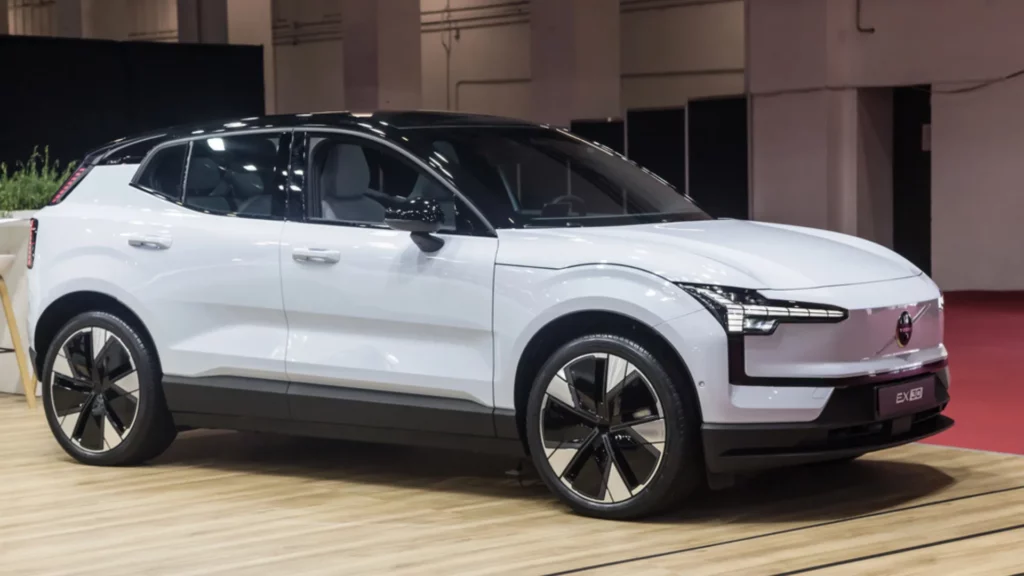
EV manufacturers argued that the Europe should look beyond just setting new vehicle targets, like the planned CO2 emission reductions for 2030 and 2035.
On Monday, over 150 executives from Europe’s electric vehicle industry sent a letter to the European Union, asking it to stick to its 2035 zero-emission goal for cars and vans. The companies that sent the letters, such as Volvo Cars and Polestar, warned that delaying these targets could slow down Europe’s EV market, help global competitors, and erode investor confidence within the Union.
This letter was after an earlier letter from the leaders of automotive manufacturers and suppliers, dated late August, directed to European Commission President Ursula von der Leyen, which emphasized that a 100% reduction for cars by 2035 is currently impractical. According to the leader of the European automobile manufacturers’ and automotive suppliers’ associations, the EU has a goal of reducing CO2 emissions from vehicles, which includes completely eradicating cars by 2035, but this goal is now unachievable.
Leyen is scheduled to meet with automotive industry leaders on September 12 to discuss the industry’s future, which is currently threatened by competition from Chinese electric vehicle manufacturers and US tariffs. In their letter to von der Leyen, Mercedes-Benz CEO Ola Källenius and Matthias Zink, CEO of powertrain and chassis at Schaeffler AG, stated that they are committed to the EU’s net-zero target by 2050.
They noted that EU manufacturers are heavily dependent on Asia for batteries. This situation is made worse by uneven charging infrastructure, higher production costs, and US tariffs. The group argued that the EU should look beyond just setting new vehicle targets, like the planned CO2 reductions for 2030 and 2035. Right now, electric cars make up about 15% of new car sales in the EU, and electric vans have a 9% share.
They said that, given the current situation, the strict CO2 targets for cars and vans in 2030 and 2035 are no longer realistic. They also believe that legal requirements and penalties will not help the transition. While EVs are important, they stressed that plug-in hybrids, range extenders, efficient combustion engines, hydrogen vehicles, and cleaner fuels should also be considered.
Additionally, they requested reassessing CO2 regulations for heavy-duty trucks and buses, and in March, the Commission agreed to. They also called for a review of CO2 rules for heavy trucks and buses. Earlier this year, the Commission gave automakers more time to meet their CO2 targets, moving the original 2025 deadline. Some members of von der Leyen’s center-right group have asked the EU to cancel the 2035 ban on combustion engines.
When discussing with key players about the future of the automotive industry, they were discussing how carmakers are struggling with the combined challenges of strict competition from Chinese competitors and US tariffs. Weakening current targets at this stage would suggest that Europe can easily be swayed from its own commitments, Michael Lohscheller, CEO of Polestar, stated.
He added that these carbon emissions goals would help, not harm, the climate, but would also undermine Europe’s competitive edge. Michiel Langzaal, CEO of the EU charging company Fastned, stated that they have gained clarity about the 2035 target and received funding in areas such as charging infrastructure and software development. He stated that they will get returns from those investments when the goal is achieved.
Transport research and campaign group T&E released a report on Monday stating that all European car manufacturers, except for Mercedes-Benz, are on track to meet the CO₂ regulations for cars and vans between 2025 and 2027. The report suggested that Mercedes would have to combine its emissions with those of Volvo Cars and Polestar to avoid penalties for failing to meet the targets.