
Daniel Ramot, Via’s co-founder and CEO, stated that they are happy about the partnership with Waymo, which paves the path for AVs (autonomous vehicles) to become accessible to millions of global public transit riders, enhancing mobility, lowering operating costs, and improving safety outcomes.
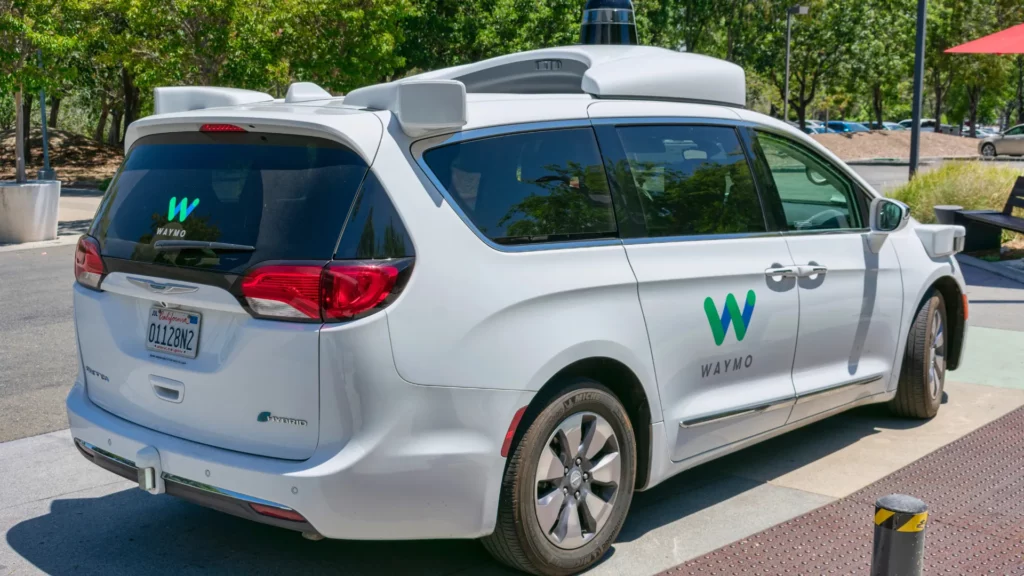
The future of public transportation is taking shape in Chandler, Arizona, where Alphabet’s autonomous vehicle company Waymo will soon offer driverless rides through Via Transportation’s public transit platform. The companies announced Thursday that Chandler will be the first city to see Waymo’s autonomous vehicles integrated into a city-run, on-demand transit service. It could be a transformational step toward a world where autonomous vehicles could become a daily reality for millions.
Rolling out this fall, the project will start within Chandler Flex, the city’s small-scale public transportation system powered by Via’s cutting-edge software. Via, a global transit technology provider, supports systems in over 30 countries and hundreds of cities. They are trying to build a technology to make public mobility safer, more affordable, and more efficient.
Daniel Ramot, Via’s co-founder and CEO, stated that they are happy about the partnership with Waymo, which paves the path for AVs (autonomous vehicles) to become accessible to millions of global public transit riders, enhancing mobility, lowering operating costs, and improving safety outcomes. The partnership will help address longstanding transit challenges, including reliability, cost, and rider safety.
Waymo has been rapidly expanding its US operations in the midst of tense competition in the robotaxi industry. In addition to Chandler, the company is preparing to introduce autonomous rides in Nashville, Tennessee, next year, in partnership with Lyft. Riders in participating cities will be able to ride Waymo cabs through both the Waymo and Lyft apps. As part of the deal, Lyft will invest in a new plant, which will be used to maintain and charge Waymo’s cars, thereby reducing operational expenses. Many ride-hailing and tech companies are collaborating and investing heavily in automation as it appears to be the next big leap for urban mobility.
Waymo has been running its paid, driverless rides to the public in the San Francisco Bay Area, Los Angeles, Austin, Atlanta, and Phoenix, where the company initially started in 2020. The public transit in Chandler will be closely watched by both industry and city officials, as it could later be used as a blueprint.
Meanwhile, rivals like Tesla are also racing to build robotaxis, aiming to be part of the spotlight. Tesla launched an autonomous car service in Austin this June and plans to expand it in the Bay Area. CEO Elon Musk stated that he is optimistic, projecting that “millions of Teslas” will drive themselves by late next year; however, he did not specify a timeline for widespread adoption.
Introducing autonomous vehicles into public transit systems can present both challenges and opportunities for a city environment. If the cities are going to use driverless technology as part of their daily commute, the main issue is getting acceptance from the public. While some individuals may favour the idea of robotaxis, as they lead to increased efficiency and convenience, as autonomous vehicles promise. There could be people who could express concerns related to safety and potential job replacement for traditional drivers. Ultimately, the successful implementation of autonomous public transit will depend on how effectively these concerns are addressed.
Successful implementation will depend on a combination of factors such as clear public education campaigns, transparent sharing of safety data, and ongoing collaboration between tech companies and city officials. The companies should take the feedback of the communities through pilot programs, such as Chandler’s. As they try public transit in Chandler, the world will be watching closely to see if robotaxis can truly earn a place in everyday life, or if the road ahead will be bumpier.