
ACCIONA Sets New Standards for Sustainable and Efficient Logistics Solutions in the Middle East
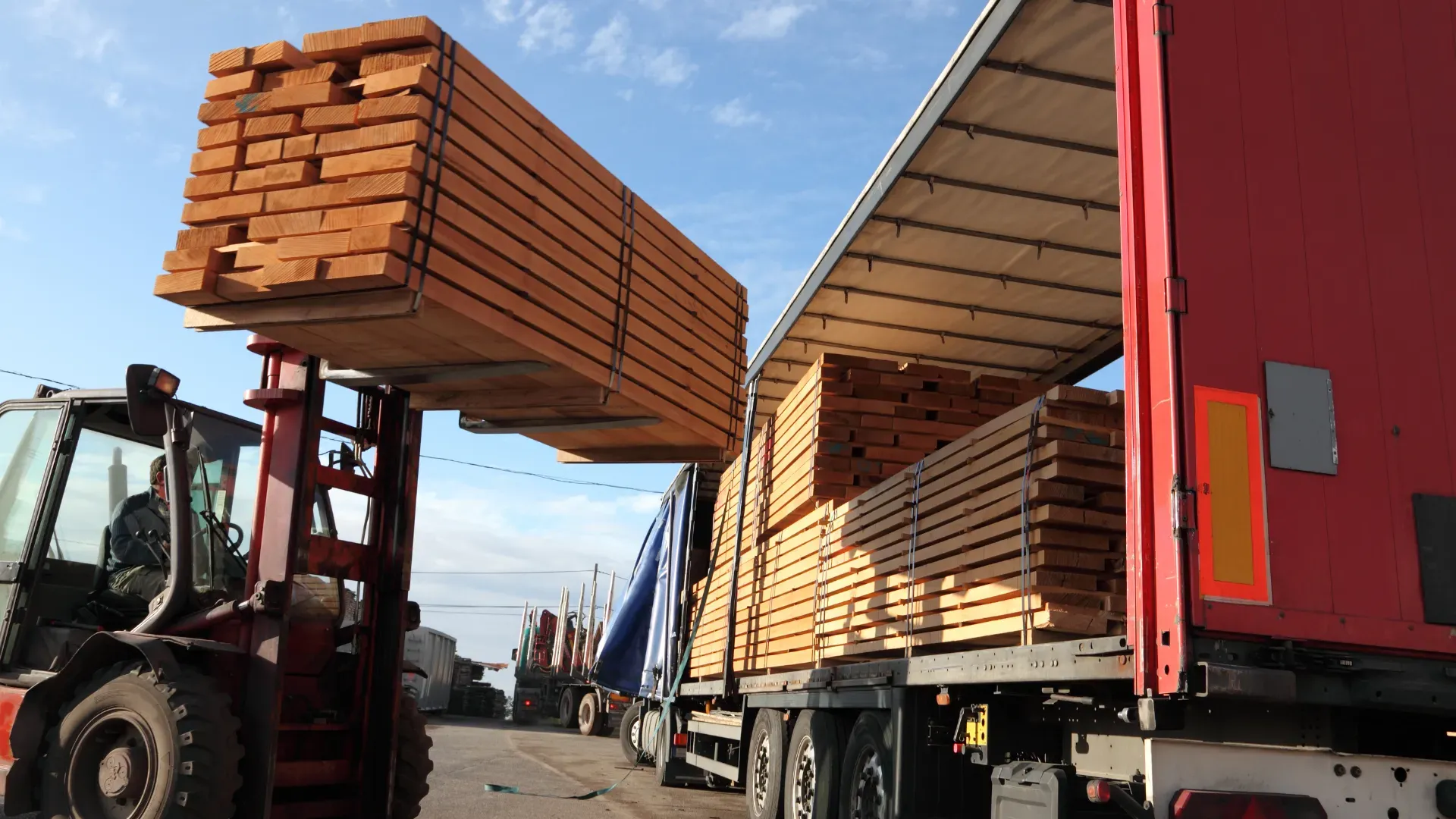

ACCIONA’s Facility Management business is empowering companies in Qatar to reduce operational costs, thereby enabling sustainable, more competitive business by prompting them to use the DTS platform.
ACCIONA has committed to developing sustainable, efficient logistics by launching an innovative Digital Transport Solutions (DTS) platform in Qatar. It is a milestone for the Facility Management sector in the Middle East.
The DTS platform is specifically designed to address the growing challenges in modern supply chains. It integrates digitalisation and intelligent optimisation in a single platform. It will improve visibility, efficiency, and adaptability across logistics. These features are no longer indispensable in today’s fast-paced logistics environment.
There is a personalised operational center instead of the platform. It centralises all logistics activities by monitoring in real time, coordinating, and making decisions. The platform is also complemented with the Driver app, which plans routes, tracks delivery, and communicates transparently with drivers and operations teams.
Implementing the DTS platform will transform logistics management. It has many benefits, ranging from consolidating all processes into a centralised system, automating performance reports with data insights, planning routes to reduce inefficient fuel consumption, avoiding wasted time, ensuring drivers get a fair workload, and scaling to support fleets of any size.
ACCIONA’s Facility Management business is empowering companies in Qatar to reduce operational costs, thereby enabling sustainable, more competitive business by prompting them to use the DTS platform.
Luis Carlos Barroso, ACCIONA ME Director for Facility Management, stated that the launch of the DTS platform affirms their commitment they deliver innovative, efficiency-driven services while also achieving their sustainability goals. He added that the company offers tailored solutions to meet the demands of the globalized market.
With the launch of the DTS platform, ACCIONA reaffirms its role as a leader in smart, sustainable logistics management. It is using technology to reshape the future of transport operations in the Middle East.
Since 2008, the company has had a strong presence in the region, with projects in the United Arab Emirates, Saudi Arabia, Qatar, and Oman. It was committed to supporting the Gulf Cooperation Council (GCC) with climate change mitigation projects.
The Facility Management business of ACCIONA has completed key projects across the Middle East, including Hamad Medical Corporation and Aspetar Orthopedic and Sports Medicine Hospital in Qatar, Muscat and Salalah International Airports in Oman, and the Haramain High-Speed Railway and My Clinic Hospital in Saudi Arabia.
The projects highlight that the company is capable of delivering high-quality, sustainable management services for infrastructure across the Middle East.
Beyond the facility management, the company is also an infrastructure and energy solutions provider. It has finished major projects such as the Dubai Metro extension and the construction of the Jebel Ali desalination plant in the UAE, the construction and expansion of the Umm Al Houl desalination plant in Qatar, as well as several reverse osmosis desalination plants and wastewater treatment facilities in Saudi Arabia.
Apart from projects in the UAE, it has finished many significant international projects, such as the Fargo-Moorhead Flood Diversion project in the United States. It is one of the country’s largest infrastructure projects. In Brazil, they have finished a project for the São Paulo Metro Line 6 project to enhance tunnel boring machine (TBM) operations. It has also done a reservoir project in Chile and the S19 road tunnel in Poland to optimize tracking and safety systems.
ACCIONA has done projects in many industries, ranging from renewable energy, water treatment and management, eco-efficient transport and mobility systems, and resilient infrastructure, among other areas. The company has been carbon neutral since 2016, achieved sales of €19.19 billion in 2024, and operates in more than 40 countries worldwide.