
Kimberly-Clark Pledges $40 Billion To Acquire Tylenol-Maker Kenvue

Kenvue’s shareholders will receive $3.50 and 0.15 Kimberly-Clark shares apiece. The deal will be finalised in the second half of next year.
US company Kimberly-Clark has set aside $40 billion to buy Kenvue in a deal that has startled investors as the company has grappled with weak sales, lawsuits and US President Trump’s attacks linking its popular painkiller Tylenol to autism. The news caused Kimberly’s shares to drop 13%, as stockholders are unhappy with the 46% premium being paid for Kenvue, which has also had a difficult year.
Earlier this year, the drugmaker made headlines when it fired its CEO, Thibaut Mongon, in July, raising investor speculations that this was the first step towards Kenvue announcing a partial or full sale of the company. In the past year, the Band-Aid and Tylenol-maker has maintained that it was pursuing strategic alternatives, as the company has been deemed a suitable candidate for an acquisition, and investor pressures have increased to either improve its performance or consider a sale.
Kenvue’s shareholders will receive $3.50 and 0.15 Kimberly-Clark shares apiece. The deal will be finalised in the second half of next year. Funded by JPMorgan Chase Bank, it will be financed through a mix of cash and debt. A regulatory filing showed that, should the deal fall through, either party could be required to pay an all-cash $1.12 billion termination fee.
Kenvue has been battling falling shares since Trump’s comments about Tylenol causing autism in children. However, with Kimberly’s announcement, the pharma company’s shares jumped as much as 19.6% on Monday. Investors have hoped for a partial or entire sale of the company for the better part of the year. In response to their concerns, the consumer health company appointed three new directors to its board in March after reaching an agreement with activist investor Starboard Value.
The hedge fund invested a stake in Kenvue in October 2024, and both parties were in a four-month-long tussle regarding the appointments, as Starboard was left dissatisfied over the skin health and beauty segment’s performance, which includes brands like Neutrogena and Aveeno.
Kimberly, which manufactures Kleenex tissues, had always shown interest in the drug company, even when it was still part of Johnson & Johnson. However, insider sources confirmed that talks of a buyout only began over the summer, after Mongon’s exit.
While investors and market observers alike have flagged concerns about this takeover, Kimberly has projected $2.1 billion in annual cost savings from the deal. It will also gain control of Kenvue’s wide range of products, like Listerine, Neutrogena and Aveeno, which could drive an annual revenue of $32 billion for the merged entity.
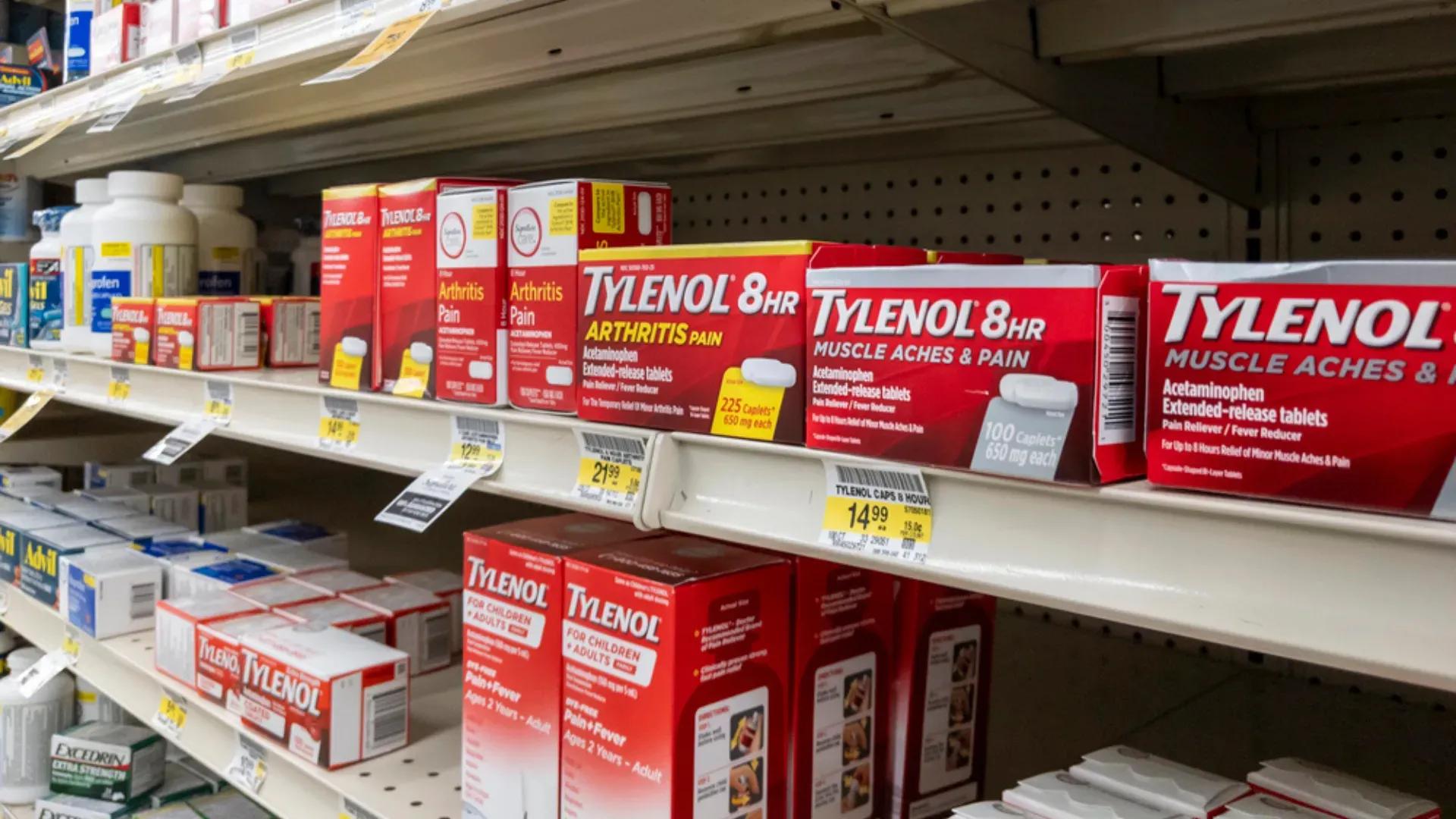
Kimberly is ready to take on the risk of integrating Tylenol into its product portfolio, as this new partnership means that the company becomes exposed to potential litigation. Numerous lawsuits have been filed against Kenvue, alleging that the company withheld information suggesting that the drug could cause autism or attention deficit hyperactivity disorder (ADHD) in children.
However, Robert F. Kennedy Jr., Secretary, US Health and Human Services, did clarify that there has been no conclusive evidence linking Tylenol to either disorder, but maintained that the data gathered was quite suggestive of these possibilities.
While Kimberly’s investors issued caution, Kenvue’s investors cheered the announcement of this acquisition. The company has struggled with weak core businesses, particularly with its skin health and beauty segment. On Monday, the company’s Q3 reports revealed that the skin health segment’s sales dropped 3.2% to $1.04 billion.
In June, it was reported that Kimberly sold a majority stake in its international tissue business to Brazilian pulp maker Suzano. This was part of the company’s restructuring strategy, and the proceeds from this deal are said to go towards the buyout.
This deal has clearly elicited opposite reactions from both companies’ investors, and it remains to be seen how market conditions help this new merger and what will be the consequences of this merger.