

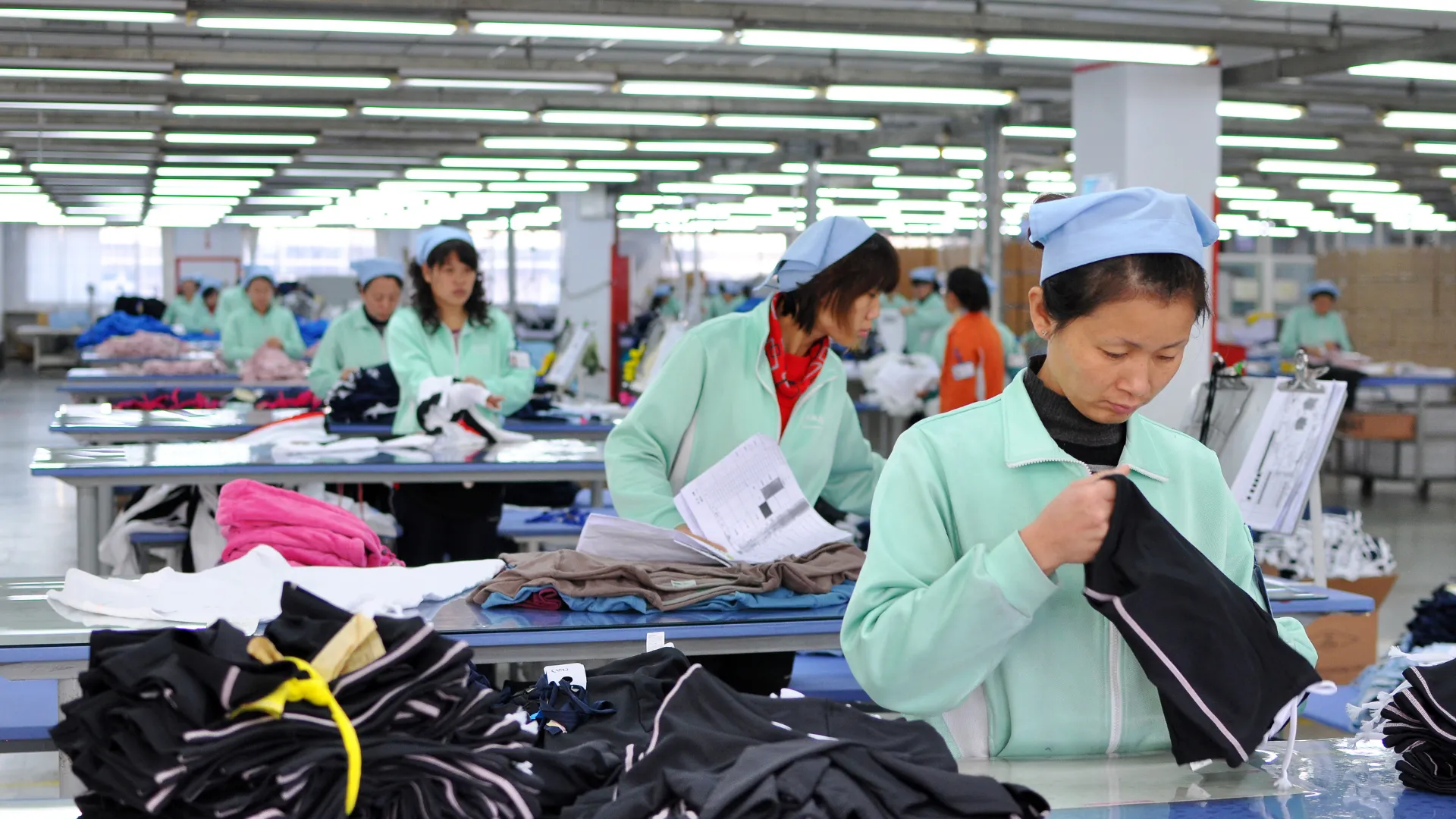
China’s official purchasing managers’ index (PMI) dropped to a six-month low of 49.0 in October from 49.8 in September. This meant that while produced goods had been sold in the international market, new orders had tapered off.
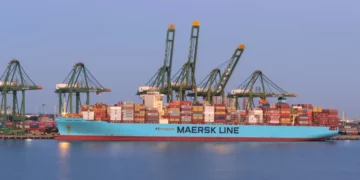
China’s October exports were the worst since February, sinking 1.1%, missing analysts’ estimates of 3.0%. According to customs data, despite outbound shipments rising 8.3% in September, the October performance was dismal due to fewer orders as buyers were cautious to see how the meeting between US President Trump and Chinese President Xi Jinping would play out.
In an attempt to avert Trump tariffs, there were months of front-loading, and there was much expectation for exports this October, like last year’s, when exports grew at their highest pace in two years. This was because in 2024, manufacturers were making all necessary arrangements to maximise profits before Trump’s expected return to the Oval Office the following month.
Imports, on the other hand, expanded, but at a slower-than-expected pace of 1.0% despite the 3.2% projected growth, compared with the 7.4% expansion in September. Early economic indicators did suggest a loss of momentum last month. According to the National Bureau of Statistics (NBS) survey, China’s official purchasing managers’ index (PMI) dropped to a six-month low of 49.0 in October from 49.8 in September. This meant that while produced goods had been sold in the international market, new orders had tapered off.
Policymakers expected producers to push their goods to the US before Trump made good on his triple-digit tariff threat, in a bid to counter domestic demand. However, analysts had warned against this because it meant borrowing from future growth to portray economic stability in the present. Beijing-based manufacturers are turning to other markets like Europe, Africa, Latin America and the Middle East, but none of them come anywhere close to the $400 billion worth of goods which are shipped to Washington.
US-China tensions flared up again last month after Trump threatened 100% duties on Chinese imports to the US, following Beijing officials’ expansion of their rare earths export control. The Ministry of Commerce announced in early October that the export of five new elements- holmium, erbium, thulium, europium and ytterbium will also be restricted.
However, after the two giants reached a truce last week after both countries’ leaders met in South Korea. Trump agreed to go easy on the tariffs in exchange for Chinese support to crack down on illegal Fentanyl trade, loosening export regulations on rare earths and for China to resume buying soybeans from the US. After this meeting, Trump tariffs on Chinese exports were reduced to 47% from 57%.
This is seen as a positive sign and could reflect in November’s indicators, as the truce was previously expected to expire on the 10th of this month, but both leaders have agreed that it will extend for another year. Despite these duty concessions, industry observers have commented that anything above the 35% mark is bound to hurt Chinese exporters’ profit margins.
Economists have estimated that these levies have eaten into nearly 2% of China’s export growth, which translates to roughly 0.3% of the GDP. Although exporters are trying to diversify their markets and reduce their dependence on the US, they have maintained that they have been forced to sell at lower returns to defend market share.
Manufacturers are troubled by other countries resorting to protectionist policies, amid criticism that cheaply priced Chinese goods are flooding the international market. However, to that end, China announced earlier this week that it was amping up efforts to increase imports. Beijing’s officials aim to make the country ‘the best export destination’ and foster a ‘win-win cooperation’ environment.
Despite these setbacks in October, the government remains undeterred. At the China International Import Expo in Shanghai on Wednesday, Premier Li Qiang said that the economy will surpass 170 trillion yuan by 2030, up from 140 trillion yuan 2025 projection. While China has taken a hit because of domestic and international conditions, Asia’s largest economy has a track record of resilience and is sure to meet its growth targets.