


Association of Southeast Asian Nations and the ASEAN Center for Energy, along with the World Bank Group and the Asian Development Bank, are funding the project.
The World Bank has partnered with the state of Johor and Ditrolic Energy to develop the Southern Johor Renewable Energy Corridor (SJREC). It is a major renewable energy project valued at around US$6 billion or RM24.83 billion.
The major collaboration was announced during the event, coinciding with the launch of Johor Renewable Energy Policy 2030. The parties who signed are the International Finance Corporation (IFC), the private-sector arm of the World Bank; Johor’s investment agency, Permodalan Darul Ta’zim (PDT); and Ditrolic Energy.
The agreement was a joint effort by everyone to advance project development, technical support, and funding.
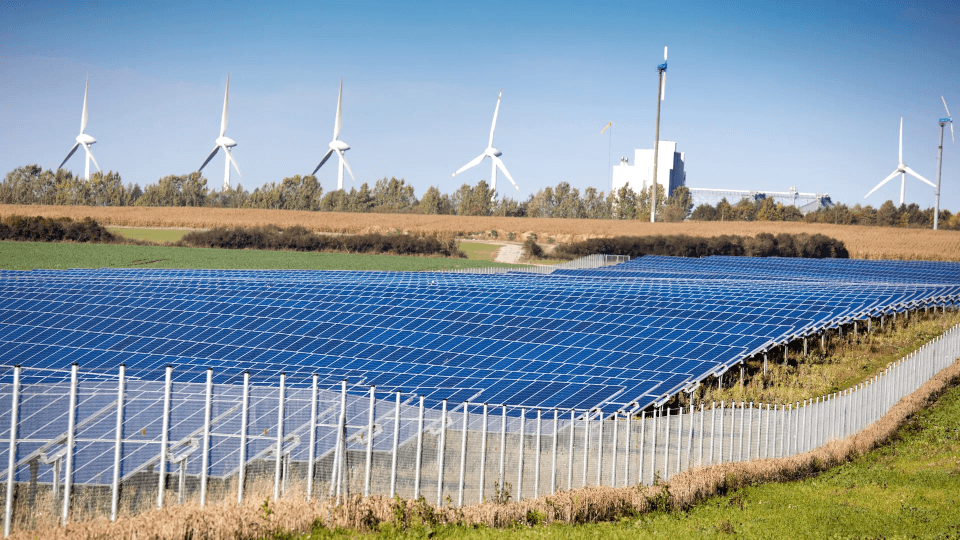
The Southern Johor Renewable Energy Corridor is a project covering around 2,000 square kilometers. The area is dedicated to the hybrid solar and battery energy system.
The area was developed as a key component of the Johor-Singapore Special Economic Zone (JS-SEZ) masterplan. The initial plan for the project was to include up to 4 gigawatts of solar energy capacity and 5.12 gigawatt-hours of energy storage across a 10,000-acre area.
The project was designed to generate clean electricity to meet the growing renewable energy needs of the local people and multinational corporations. The focus was to help the needs of data centers, manufacturers, and other rapidly expanding businesses in Johor, which are fast becoming an industrial and digital hub in Southeast Asia.
The project will also provide clean energy transmission to the neighboring city of Singapore, supporting the goals of the ASEAN Power Grid. It is a project aimed at connecting the region’s electricity networks throughout Southeast Asia and strengthening regional energy by 2045.
The Southern Johor Renewable Energy Corridor will play a crucial role in achieving the goals, thereby reinforcing Southeast Asia’s ability to push itself toward a vision of sustainable energy and a high-growth future, according to Datuk Ramlee A Rahman, CEO of Permodalan Darul Ta’zim.
The project is expected to provide economic benefits in the region. Since the development, construction, operation, and maintenance of the renewable energy infrastructure will create around 125,000 jobs. These opportunities will enable industrial expansion and attract high-quality foreign direct investment, further reinforcing Johor’s reputation as an economic powerhouse.
The project will help develop the region’s technology and skills, thereby making Johor the leader in the clean energy industry.
Ditrolic Energy, based in Johor, is a renewable energy company founded in 2009. It has a portfolio of 300 megawatts of projects across the commercial, industrial, and government sectors in Southeast and South Asia.
Tham Chee Aun, CEO of Ditrolic Energy, stated that the company can drive large-scale solar-plus-storage development to help Johor achieve its clean energy export ambitions.
The company is seeing the project as a step that will lay a solid foundation for industries that want renewable and cost-effective power solutions. So it will make Johor an attractive destination for energy-intensive sectors.
The collaboration was announced after the recent introduction of the ASEAN Power Grid Financing project. It is a regional flagship program that will be supported by providing funding for cross-border electricity connections, both on land and under the sea.
Association of Southeast Asian Nations and the ASEAN Center for Energy, along with the World Bank Group and the Asian Development Bank, are funding the project. They are trying to make sustainable electricity more accessible and reliable.
Her Majesty the Queen of Malaysia witnessed the announcement of the Southern Johor Renewable Energy Corridor project. The project has both royal and governmental backing, aiming to transform Johor into a clean energy leader.
With all these elements in place, the Southern Johor Renewable Energy Corridor will become a model of regional partnership and a beacon for Southeast Asia’s renewable energy future.