

Bahamasair, the national flag carrier of the Bahamas, is poised to benefit from an increase in inbound feed from Emirates vast network. Better connectivity via major U.S. gateway cities can stimulate increased passengers and help drive tourism and business travel into the Bahamas outside traditional North American markets.
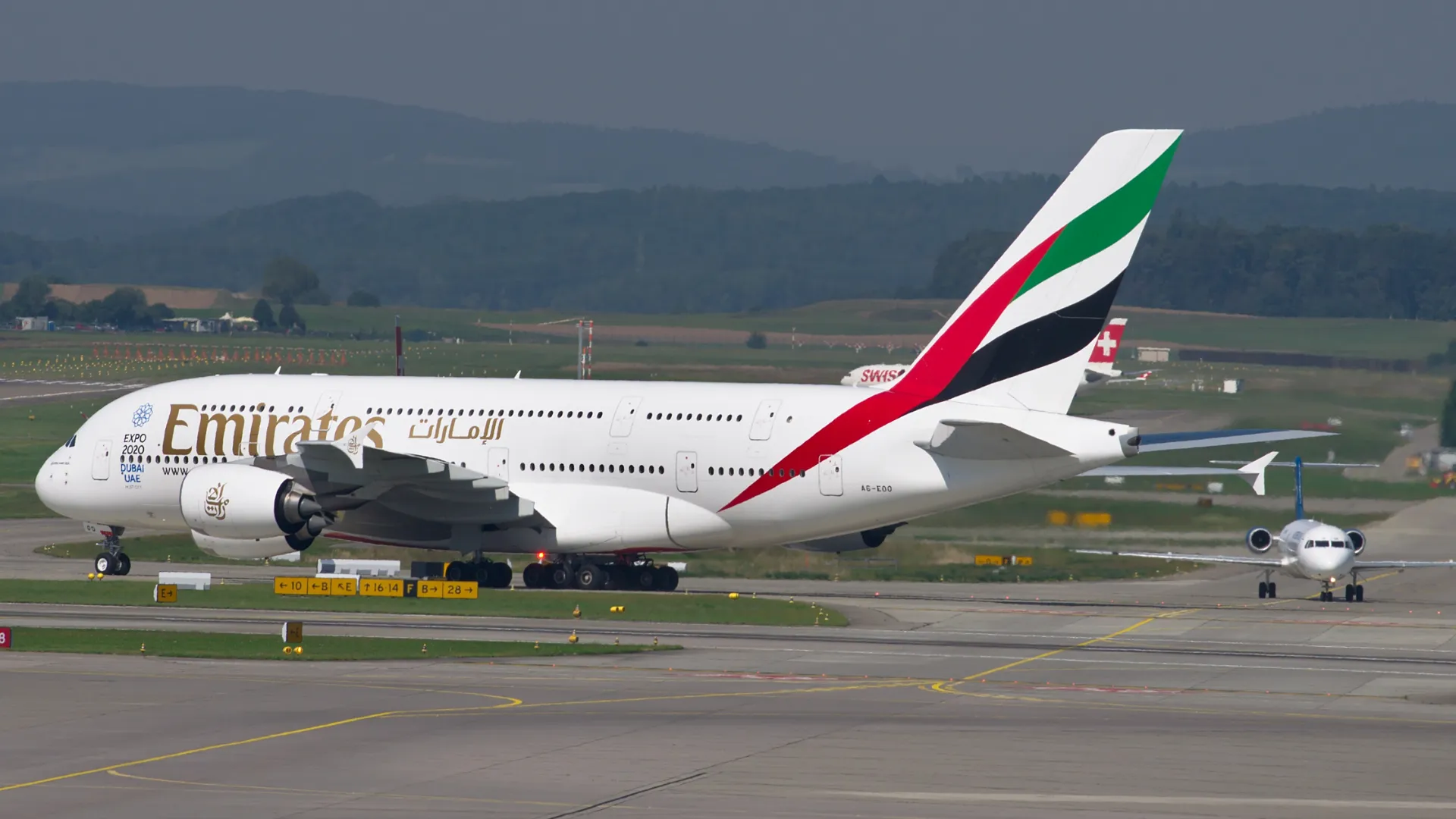
Emirates has officially turned on an interline agreement with Bahamasair, a move that seals the Dubai carrier’s drive to deepen connectivity between its global network and the Caribbean. The arrangement, which follows up on a June memorandum of understanding, will allow passengers to purchase a single ticket linking Emirates services into Florida with onward Bahamasair flights to two of the Bahamas principal gateways: Nassau/Paradise Island and Freeport on Grand Bahama Island.
From a practical perspective the agreement simplifies travel for customers transiting via Miami or Orlando. Emirates already serves both Florida gateways daily services to Miami and multiple weekly rotations to Orlando and the new interline routing means travellers will be able to check baggage through and enjoy a single-ticket itinerary across the two carriers. Seamless transfers will most likely prove to be of particular appeal to long-haul passengers from the Middle East, Asia and Africa who are looking for easy access to the Caribbean resort islands.
For Emirates the deal is consistent with a wider strategy to extend its market footprint through commercial partnerships rather than deploying its own metal on every route. Linking with Bahamasair offers the airline an efficient way to expand its product offering into a leisure-heavy market while relying on Bahamasair’s domestic and regional know-how to handle the final leg into the archipelago. The partnership also comes after diplomatic and tourism promotion activity between the carriers and Bahamian authorities earlier this year.
Bahamasair, the national flag carrier of the Bahamas, is poised to benefit from an increase in inbound feed from Emirates vast network. Better connectivity via major U.S. gateway cities can stimulate increased passengers and help drive tourism and business travel into the Bahamas outside traditional North American markets. Reports surrounding the memorandum suggest Emirates could offer technical and operational support as part of the wider cooperation framework, an arrangement that can yield benefits for capacity, service and training for the smaller carrier.
Industry observers say that the deal is emblematic of evolving airline strategies: large global hubs and long-haul network carriers are increasingly looking to interline and codeshare partnerships to stitch together end-to-end journeys, while smaller national airlines use such tie-ups to tap international demand they could not capture alone. The commercial logic is clear: a single ticket and single baggage policy reduce friction for customers and can translate into higher conversation of travelers seeking sun-and-sand destinations.
However, operational and commercial details to watch. Interline arrangements typically require careful co-ordination on schedules, disruption management and customer service standards to ensure connections are robust particularly when the connecting flights cross international borders and regulatory regimes. For travellers, the real test will be how smoothly the handover operates in practice during peak periods and irregular operations.
For the Bahamas the partnership is a timely boost. Tourism is the lifeblood of the islands’ economy, and improved international connectivity can help broaden source markets and seasonality patterns. For Emirates, meanwhile, the tie-up is a neat illustration of how the carrier continues to refine its route architecture around hub feeds plus targeted partner links, rather than relying solely on network expansion through aircraft deployment.
Taken together, the Emirates-Bahamasair interline is not a seismic shift in aviation, but it is a commercially sensible and customer-facing enhancement that tightens ties between the gulf and the Caribbean. If executed well, it should make a Gulf-to-Bahamas trip feel considerably less complicated-and that simplicity is precisely what many modern travellers prize.
The partnership is also expected to encourage greater two-way travel, giving Caribbean residents easier access to Emirates’ global destinations across Europe, Asia and the Middle East.