

Policy reforms, regulatory liberalisation, and heavy spending on hard infrastructure have combined to make Saudi Arabia an increasingly attractive proposition for global logistics players seeking faster routes between Asia, Europe, and Africa.
Saudi Arabia’s transport and logistics sector has attracted a wave of fresh capital this year, with investment contracts totaling more than SAR 280 billion-roughly $74.6 billion-according to a report cited by officials at a recent budget forum. The influx spans public-private partnerships, foreign direct investment and strategic deals aimed at boosting capacity across ports, airports, rail, warehousing and last-mile logistics.
The headline number underscores a broader ambition: to reshape the kingdom into a global logistics hub under Vision 2030. Policy reforms, regulatory liberalisation, and heavy spending on hard infrastructure have combined to make Saudi Arabia an increasingly attractive proposition for global logistics players seeking faster routes between Asia, Europe, and Africa. The Public Investment Fund (PIF) has been central to the strategy, orchestrating projects designed to knit together maritime, air and land corridors.
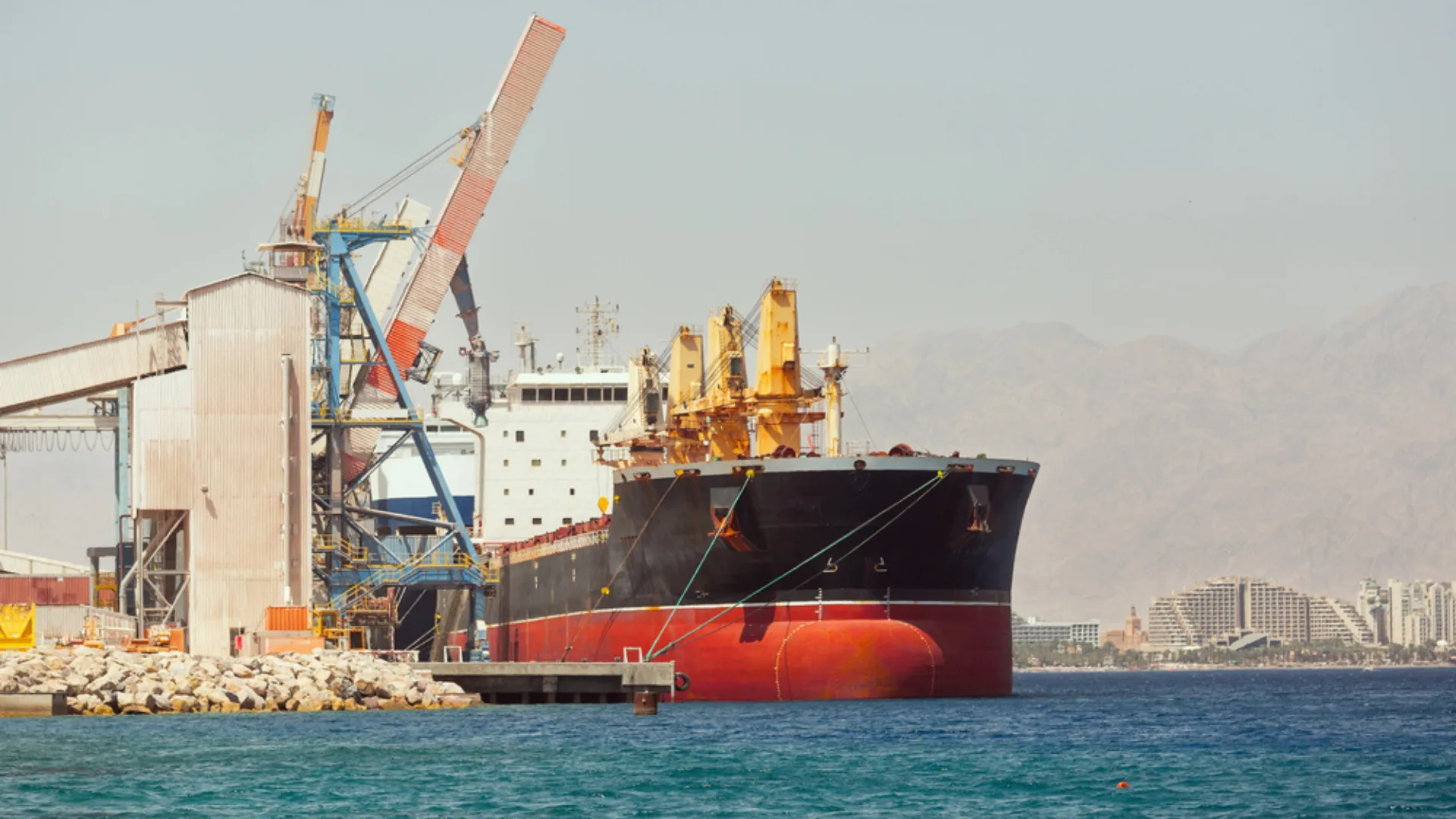
Where the money is going is revealing. Ports and port-related logistics-including terminals, container yards and hinterland connections-remain magnets for capital as Saudi Arabia seeks to expand transshipment capacity and improve cargo handling. Aviation and airport upgrades also feature heavily with Riyadh, Jeddah and other hubs earmarked for runway, terminal and cargo-handling modernization to handle projected passenger and freight growth. Meanwhile, manufactured goods, exporters and a surging e-commerce market are driving demand for modern warehousing, cold-chain facilities and integrated fulfilment networks.
Investors say the appeal is not just physical infrastructure. Digitalization of supply chains, automation in warehouses and investment in “green logistics” are increasingly part of deal terms. Saudi projects are being pitched as opportunities to pilot advanced freight-technology, from real-time tracking and predictive logistics to greener transport solutions that align with net-zero pledges. These value-added layers make projects more attractive to global logistics operators and technology providers looking for scale and regulatory backing.
The scale of commitments also reflects a changing risk calculus. After years of relying heavily on the oil sector, Saudi planners are diversifying-and the transport and logistics sector offers both strategic value and revenue potential. Analysts note that while headline totals are large, delivery and execution will be the acid test: rolling out terminals, rail links and freight corridors at pace requires co-ordination across ministries, local authorities and private contractors. The success of these investments will hinge on project governance, transparency, and the kingdom’s ability to convert signed contracts into completed assets.
For internation firms, the largesse brings fresh commercial openings and competition. Global shipping lines, airport operators and logistics tech firms are reported to be depending on ties with Saudi partners, enticed by concession models and long-term contracts. For local businesses, the investments promise job creation, skills transfer and expansion opportunities, but they also raise pressure to modernize operations to meet global standards.
In sum, the $74.6 billion figure is both headline and harbinger: it signals Saudi Arabia’s intent to be a dominant logistics crossroads for the region, and it marks a consequential chapter in the country’s economic re-tooling. The coming years will show whether the commitments translate into efficient supply chains, competitive hubs and sustained growth-but for now, investors and policymakers alike are placing sizeable bets on the kingdom’s logistical future.
Saudi Arabia’s aggressive push into transport and logistics marks a defining moment for its long-term economic strategy. The unprecedented $74.6 billion investment wave is more than a fiscal milestone-it signals a clear shift toward global connectivity, diversified growth and modern trade capabilities. As major infrastructure projects advance and international partnerships deepen, the kingdom is steadily positioning itself as a pivotal gateway linking continents. If executed with precision and sustained momentum, these developments could transform Saudi Arabia into one of the world’s most competitive logistics powerhouses in the decade ahead.