

The enlarged portfolio, which combines NEO NEXT’s current assets with TotalEnergies’ UK fields, should result in significant synergies, increased cash flow visibility, and better project economics throughout the North Sea operations’ life cycle.
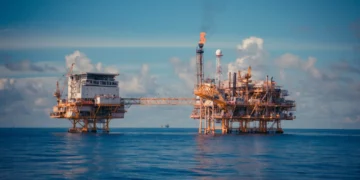
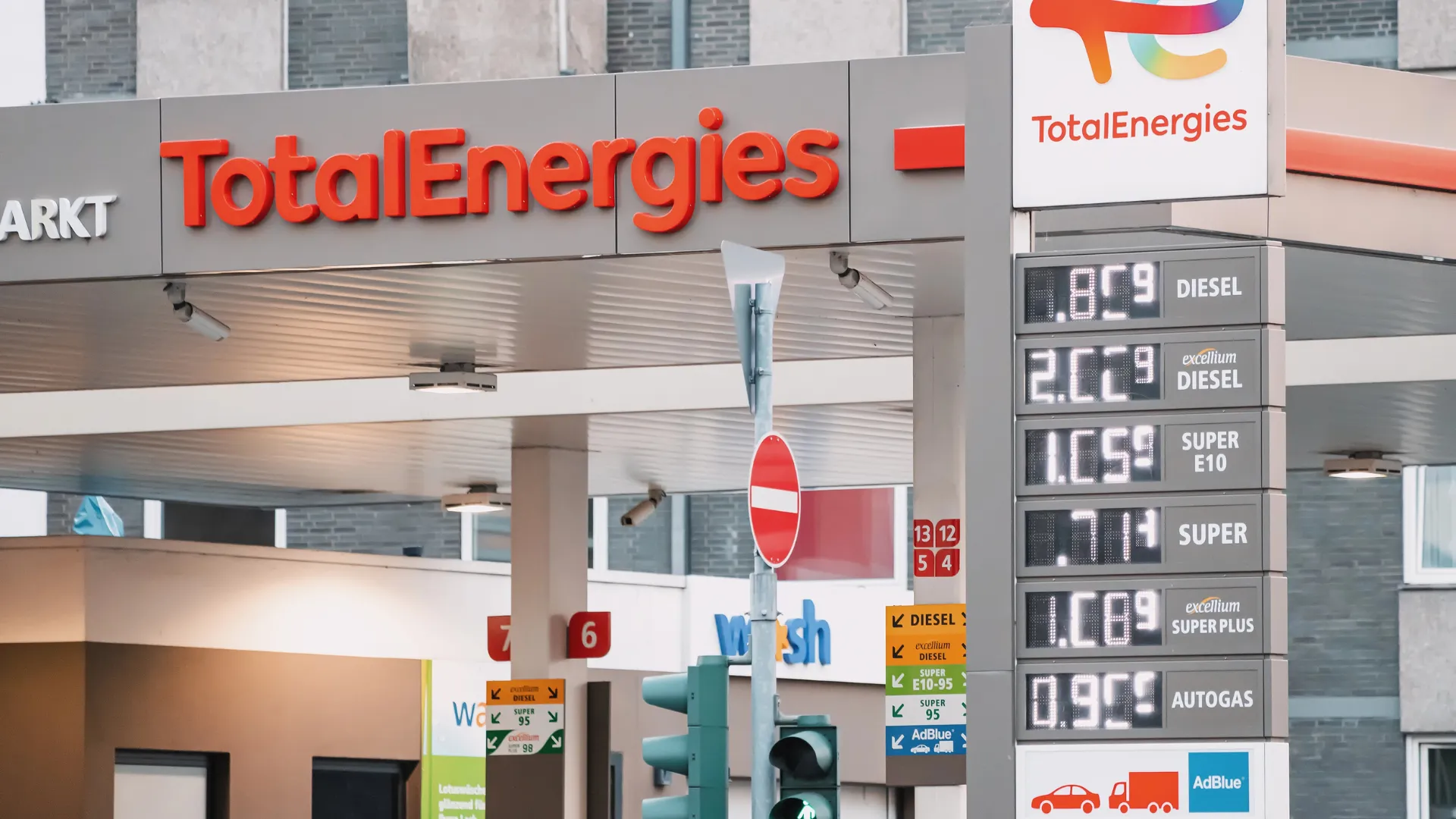
The UK upstream division of TotalEnergies will merge with NEO NEXT to form NEO NEXT+, a newly expanded company that will be the biggest independent oil and gas producer in the UK North Sea. In a market struggling with diminishing reserves, high operating costs, and substantial decommissioning liabilities, the action represents a significant consolidation step.
As part of the deal, Norway-focused private equity firm HitecVision and Repsol UK will own approximately 28.875% and 23.625% of NEO NEXT+, respectively, while TotalEnergies will acquire a 47.5% share. As part of the integration process, management and the precise governance arrangements will be finalized. Regulatory approvals are still pending before the deal closes in the middle of 2026.
By 2026, the expanded group is expected to produce over 250,000 barrels of oil equivalent per day (boepd), giving NEO NEXT+ a scale that the smaller independents can only envy. The enlarged portfolio, which combines NEO NEXT’s current assets with TotalEnergies’ UK fields, should result in significant synergies, increased cash flow visibility, and better project economics throughout the North Sea operations’ life cycle.
The transaction represents a strategic change for TotalEnergies. The group lowers direct operating exposure and capital intensity in a mature basin while retaining a significant portion of future upside by moving the upstream business into a dedicated, independent operating vehicle while keeping a nearly half stake. The deal has been presented by executives as a means of enhancing resilience and shareholder returns while “maximising the long-term value” of UK assets.
Market and political reaction are likely to be mixed. Investors rewarded the announcement: Total’s stock rose sharply on the news as analysts priced in lower risk and the prospect of higher free cash flow. But some commentators – and parts of Westminster – have flagged potential downsides, including the risk of reduced tax receipts for the Exchequer if consolidated operators extract efficiencies that shrink taxable profits. The deal also reopens debate over how the UK should balance energy security, tax take and a fair approach to decommissioning obligations as North Sea fields age. and market responses are probably going to be conflicting.
NEO NEXT+’s launch comes in the wake of a wave of consolidation in the North Sea, with private equity and specialist operators buying and bundling assets as majors streamline portfolios and focus capital on lower-carbon growth. The new structure is supposed to unlock scale benefits – centralised procurement, combined platforms and more efficient field life-extensions – that could make brownfield projects viable for longer. Supporters argue this helps Britain maintain domestic production and energy security while preserving jobs in the supply chain.
But there are strategic trade-offs, too. Critics warn that concentration could sharpen negotiating power over services, reducing competition, while some environmental groups will question whether such consolidation prolongs fossil fuel extraction in a period when the UK has legally binding climate commitments. NEO NEXT+ will therefore be watched closely not only for its balance sheet and production profile but for how it positions itself on carbon management, methane mitigation, and the wider energy transition agenda.
As the sale makes its way through approvals, the industry will be trying to read the wider message: majors hedging exposure to mature, capital-hungry basins; private capital and nimble operators consolidating scale; and governments wrestling with how to secure energy supply, tax revenues and a fair share of decommissioning costs. For the North Sea – still a strategic element of the UK’s energy mix – NEO NEXT+ looks set to be the dominant independent, and a key test case in how the region navigates its next decade.