

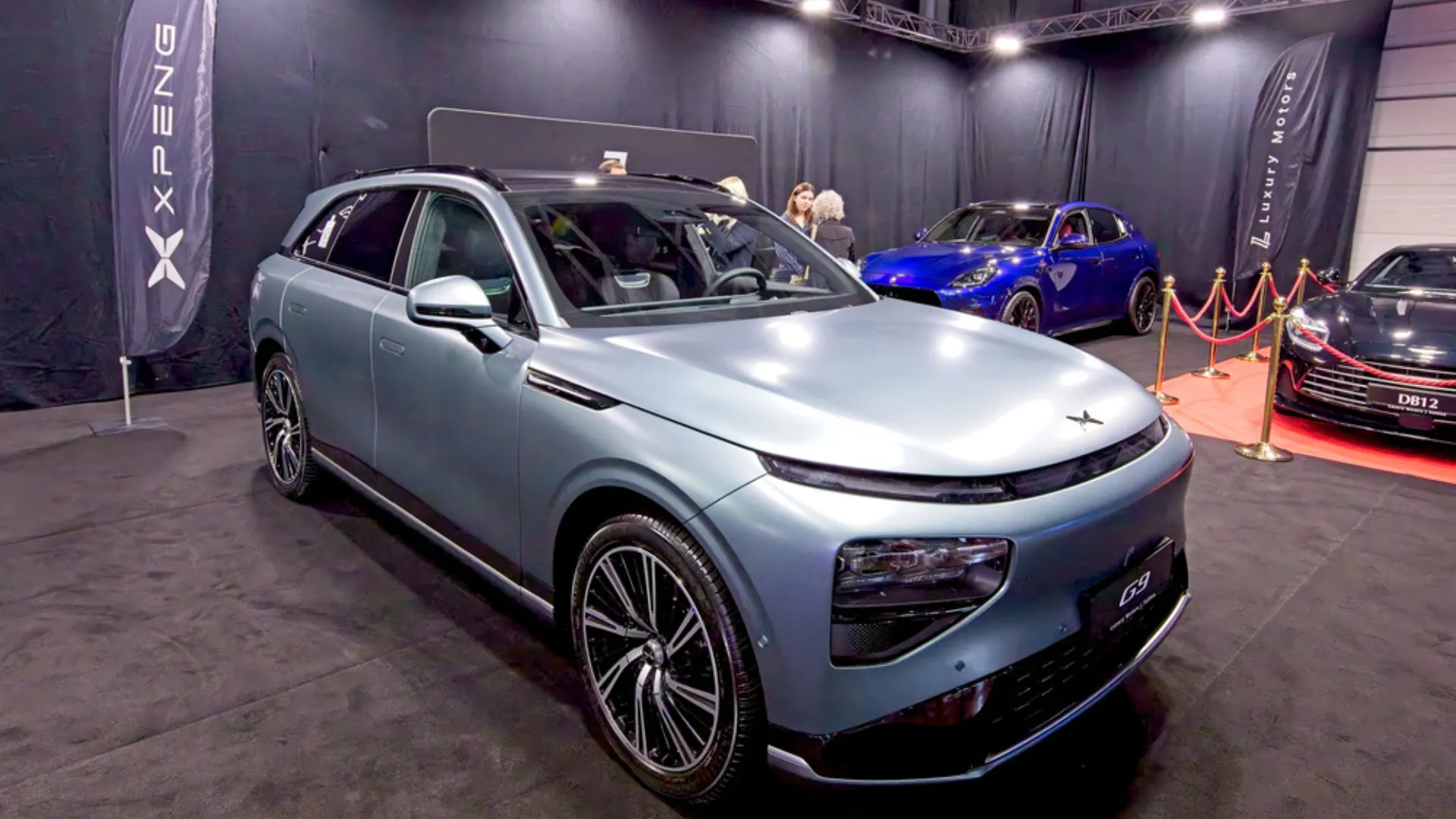
G6 and X9 models of Xpeng Motor roll off assembly lines in Malaysia next spring and summer
A crucial move has now been initiated by Xpeng of Guangzhou in its “go global” plans by choosing Malaysia as its right-hand drive assembly point for its operations in Southeast Asia, partnering with EP Manufacturing Bhd (EPMB), for local assembly of its G6 SUV model and X9 MPV lineup of its cars. This initiative has also come into consideration for an asset light approach.
Under the deal, the production of the G6 is expected to commence no later than 31st March 2026, while the assembly of the X9, including the Extended-Range (PowerX/REEV) version, is expected to start on 25th May 2026. The entire CKD (Completely Knocked Down) assembly will be conducted by EPMB’s Melaka factory, while the unit PJVM is reportedly granted first right of offer to manufacture any future models of the Xpeng.
The timing and partners involved are revealing. A Malaysian base has turned out to be an attractive proposition for several Chinese automakers of EVs, providing experienced suppliers in the automotive industry, existing scalable right-hand drive technology, and an eager government that wants to boost local electric vehicle car production. The latest deal by Xpeng follows similar strategies by its rivals and helps rebalance overall production capacity in various markets.
For Xpeng, the strategy has very practical gains. With assembly in ASEAN, it should help minimize import tariffs and shipping times, allowing for a better pricing strategy and faster response for car buyers in ASEAN, who are very price-sensitive, in addition to having limited distribution networks for the brand yet.
It also serves as a kind of insurance for Xpeng from exchange rate volatility and tensions in international trade, which have affected car manufacturers cum exporters in past years.
It also maintains an asset-light strategy for overseas for Xpeng, partnering with different manufacturers instead of setting up their own production facilities overseas, which helps retain their precious cash while pursuing geographic expansion.
EPMB, listed in Bursa and an expert in automotive parts, views this deal as an opportunity for diversification into vehicle assembly and optimal use of its facility in Melaka. As far as the Malaysian automakers’ sector is involved, this agreement could spur improvements for suppliers, training, and additional investments, all of which fit well into country strategies aimed at making a Malaysian hub for EVs in the region. Proton’s announcement of an EV plant and other similar local developments already point towards additional involvement by the government of Kuala Lumpur in vehicle manufacturing.
Market response is expected to be a mix. Customers in the ASEAN market have the positive potential of more model variants and potentially lower prices, although competitors and auto distributors in the country are waiting and observing if Xpeng localizes enough components for a visible positive effect on creating more employment and developing suppliers. From the perspective of investors, production in other countries lowers costs per unit, which dampens the short-term positive effect on margins. Worth noting here is Xpeng’s reporting on strong sales and overseas shipments this year, a trend they should continue if they are indeed internationalizing.
Strategically speaking, this Malaysian move reinforces Xpeng’s presence in the region and illustrates a general trend: Chinese NEV manufacturers can no longer satisfy themselves with exporting completely built vehicles. Instead, Chinese automakers have been creating a flexible and geographically diversified production chain that corresponds to where the market is-left-hand-drive product lines in Indonesia and right-hand-drive product lines in Malaysia, for instance.
Meanwhile, as the G6 and X9 models of Xpeng Motor roll off assembly lines in Malaysia next spring and summer, the region will be waiting to see if this localization strategy becomes a winning edge or simply another story in the ever-changing game of competing to corner the electric market in Southeast Asia.