
Can the Nearshoring Powerhouse Become North America’s Next Life-Sciences Hub?


Mexico is seeking to turn its manufacturing advantage into something far more valuable: a central role in North America’s biotechnology and pharmaceutical supply chain.
For decades, Mexico has been one of the world’s important manufacturing locations, particularly for automotive, electronics and medical devices. Now, the country is attempting to move further up the value chain by attracting pharmaceutical investment, developing advanced biotechnology capabilities and expanding domestic production of vaccines and medicines.
The ambition is becoming increasingly visible. Under its national industrial strategy, Plan Mexico, the government has set a target of developing vaccines domestically while promoting end-to-end pharmaceutical manufacturing and local packaging, with a particular focus on advanced biotechnology. The plan also seeks to increase Mexico’s participation in global value chains across strategic industries, including pharmaceuticals.
The timing could prove significant. North America is reassessing how it produces and sources medicines after the Covid-19 pandemic exposed weaknesses in global pharmaceutical supply chains. Heavy dependence on overseas suppliers for active pharmaceutical ingredients and finished medicines has become a strategic concern, creating an opening for Mexico to position itself as a reliable manufacturing partner within the continent.
Mexico already has a substantial pharmaceutical manufacturing base. Government data shows that the country had 958 economic units in pharmaceutical and medicine manufacturing as of May 2026, with major concentrations in Mexico City, Jalisco and the State of Mexico. Pharmaceutical manufacturing generated GDP of approximately MX$7.01 trillion in the third quarter of 2025, according to Data México.
These figures underline an important point: Mexico is not attempting to build a pharmaceutical industry from scratch. It is trying to upgrade an existing industrial ecosystem.
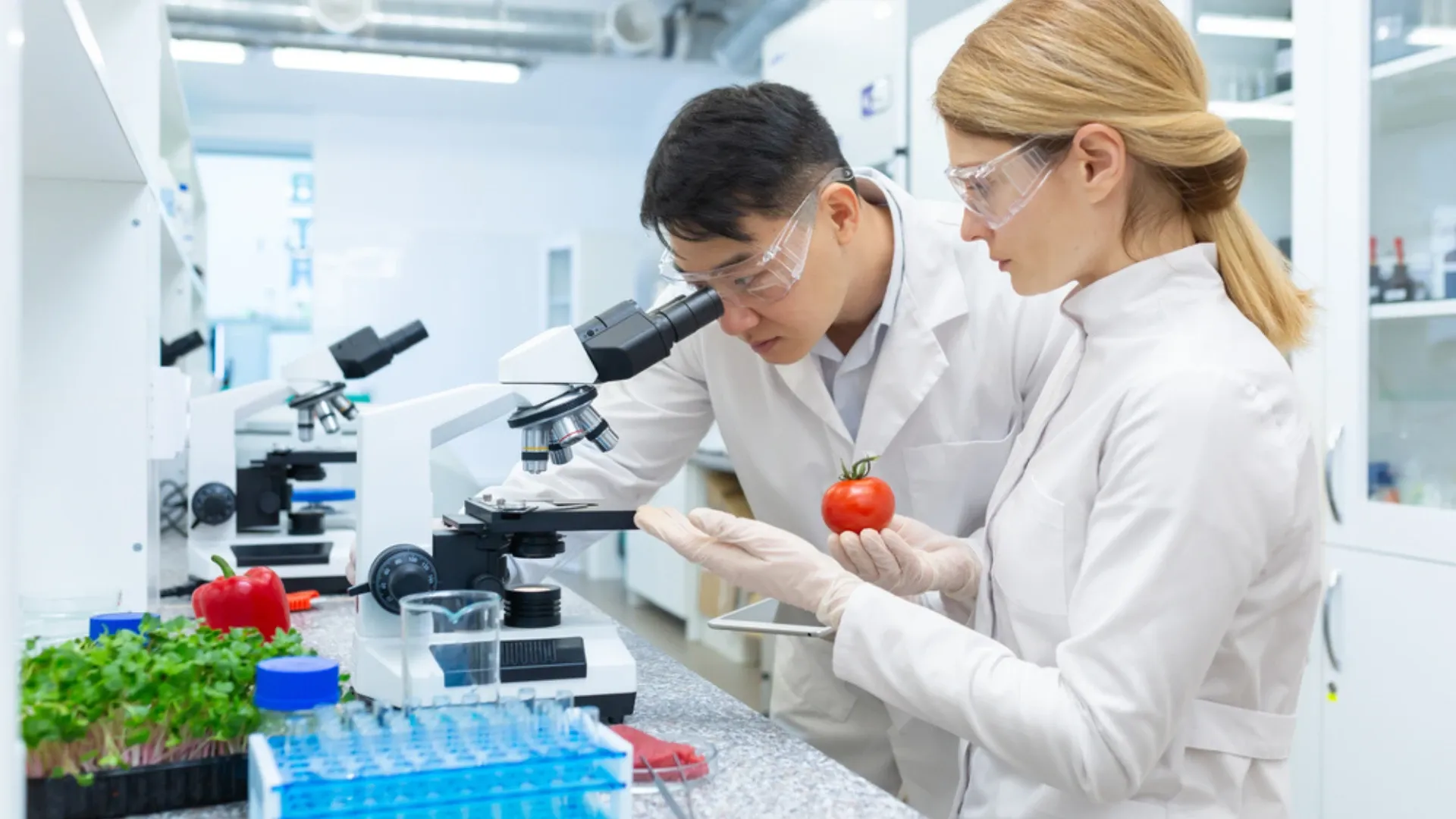
That distinction matters because biotechnology manufacturing requires more than inexpensive labour. It depends on specialised facilities, highly trained scientists, reliable utilities, sophisticated quality-control systems, regulatory expertise and close connections between universities, research institutions and industry.
Mexico’s geographical position is another powerful advantage. Its proximity to the United States allows manufacturers to operate close to the world’s largest pharmaceutical market while potentially reducing transportation distances and supply-chain risks. The country’s participation in the United States-Mexico-Canada Agreement also provides an established framework for regional trade.
Brookings has described Mexico as a promising nearshoring hub for pharmaceuticals, while noting that the country still needs to develop greater advanced active pharmaceutical ingredient capacity.
That gap could become one of the biggest opportunities for investment. In May 2026, President Claudia Sheinbaum highlighted more than MX$21 billion in pharmaceutical investment announcements from companies including Abbott, Bristol Myers Squibb, Neolpharma, Opella, Laboratorios Kener, Liomont, Sanofi and Bayer.
The projects are expected to increase medicine production, strengthen Mexico’s pharmaceutical industry and support greater export diversification. The significance goes beyond the headline investment figure. The participation of multinational pharmaceutical companies suggests that Mexico is increasingly being viewed not simply as a low-cost manufacturing destination, but as a location capable of supporting more sophisticated healthcare production.
Mexico is also actively seeking international partnerships. During a 2026 trade mission to Canada, Mexican and Canadian officials signed agreements covering life sciences and discussed stronger cooperation in advanced pharmaceutical manufacturing, digital health and specialised talent. This cross-border cooperation could become increasingly important as North American governments attempt to build more resilient regional supply chains. One of the clearest signs of Mexico’s ambitions is its push into mRNA manufacturing.
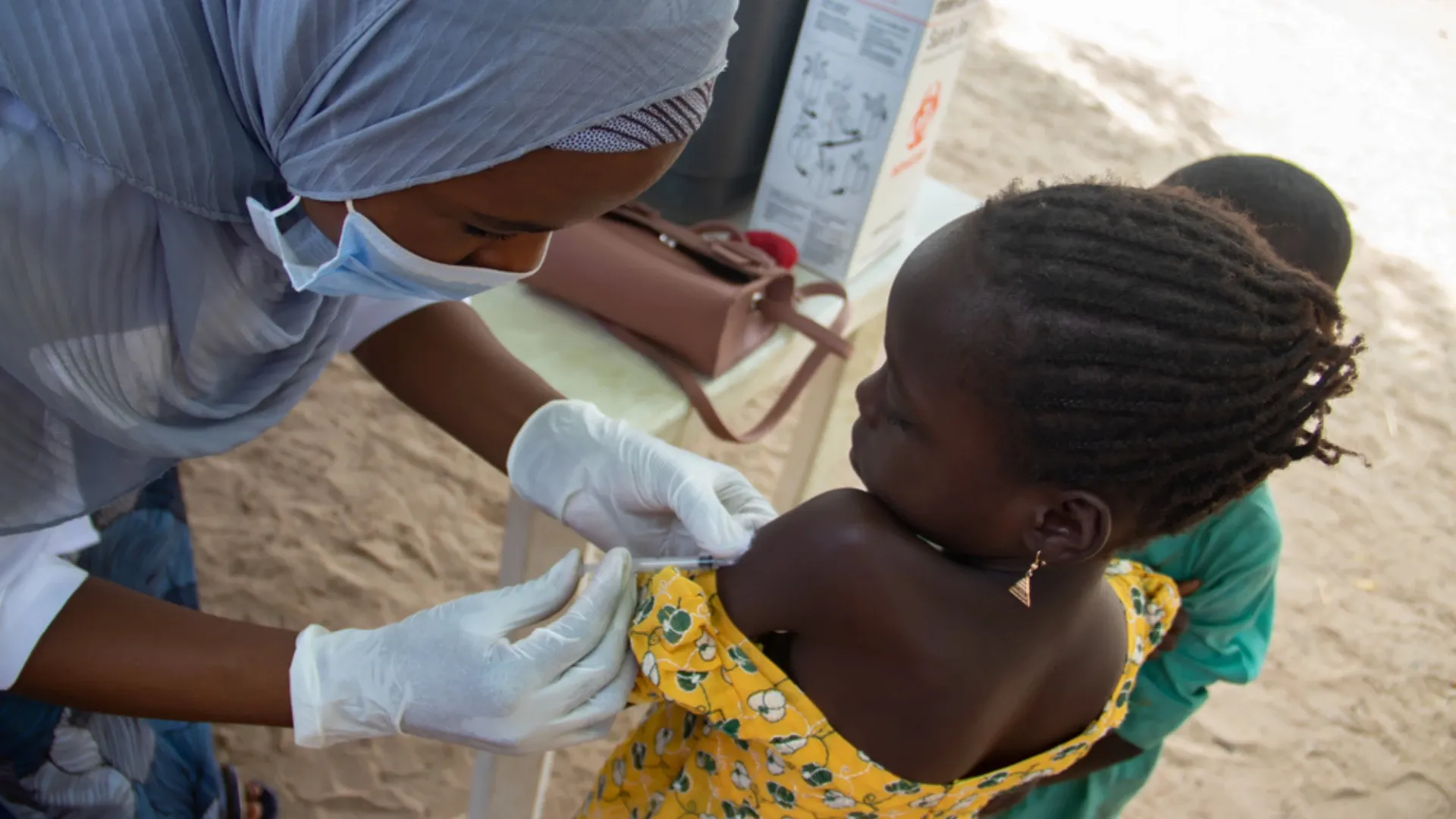
The country has been pursuing cooperation involving Moderna, Mexican pharmaceutical manufacturer Liomont and public-sector institutions to develop domestic capabilities for producing mRNA vaccines. Such technology transfer could give Mexico experience in a highly specialised area of modern biotechnology rather than limiting its role to conventional pharmaceutical production.
The strategic importance is considerable. mRNA technology demonstrated its value during the pandemic, and governments are now increasingly interested in having domestic or regional manufacturing capabilities for vaccines and other advanced therapies.
For Mexico, developing this expertise could help create a broader ecosystem involving research, clinical development, manufacturing, packaging and distribution. It could also encourage pharmaceutical companies to invest in local suppliers, laboratories and specialist services, creating a multiplier effect across the wider life-sciences economy. Mexico’s ambitions are unfolding against a much larger restructuring of pharmaceutical supply chains.
The United States remains the dominant centre of pharmaceutical research and development, but its manufacturing system relies heavily on imported ingredients and materials. The pandemic demonstrated how quickly international disruptions can create shortages, while geopolitical tensions have made dependence on concentrated overseas supply chains increasingly uncomfortable for policymakers.
The forthcoming 2026 review of USMCA therefore arrives at a particularly important moment. Brookings argues that the agreement could become a platform for deeper cooperation in pharmaceutical manufacturing, including investment in API and generic-drug production, regulatory coordination and regional supply-chain security.
For Mexico, this creates a strategic opening.
Rather than competing directly with the United States in pharmaceutical research, Mexico can complement American strengths. US companies can continue to dominate discovery, financing and advanced drug development while Mexican facilities provide manufacturing capacity closer to the final market. Canada can add its own strengths in research, regulation and specialised pharmaceutical production. A more integrated North American model could therefore distribute different parts of the value chain across all three economies. Becoming a genuine biotechnology hub will not be straightforward.
Mexico must move beyond traditional pharmaceutical manufacturing towards more complex biological production. That requires substantial investment in laboratories, clean-room facilities, cold-chain infrastructure, quality systems and highly specialised personnel. Regulation will also be critical. Biotechnology companies need predictable approval procedures and internationally credible manufacturing standards. Faster investment processes will help, but speed cannot come at the expense of safety or regulatory confidence.
Talent is another decisive factor. Plan Mexico aims to train 150,000 professionals and technicians annually in strategic sectors, linking education more closely with industrial requirements. The ability to translate that target into specialised biopharmaceutical skills will determine whether Mexico can support sophisticated manufacturing at scale.
There is also the question of infrastructure. Biotechnology facilities require dependable electricity, water, logistics and digital connectivity. Mexico’s government has therefore linked industrial development with wider infrastructure and regional development initiatives. Finally, Mexico must maintain investor confidence while navigating the political and commercial uncertainties surrounding North American trade. Mexico’s biotechnology ambition is ultimately about more than pharmaceuticals. It represents an attempt to transform the country’s broader economic model.
For years, Mexico’s manufacturing success has been closely associated with assembling products for international companies. Biotechnology offers an opportunity to capture a greater share of intellectual property, specialised manufacturing, technical services and high-value employment. The country’s Plan México explicitly aims to increase domestic content in global value chains and strengthen scientific, technological and innovation capabilities. Its target of developing vaccines through end-to-end domestic pharmaceutical manufacturing illustrates how far this strategy extends.
If investment continues, Mexico could gradually develop a life-sciences corridor connecting manufacturing centres, universities, research laboratories, pharmaceutical companies and North American markets. That would not make Mexico an overnight replacement for established biotechnology centres in the United States or Canada. Instead, it could create a complementary manufacturing powerhouse that benefits from its location, industrial experience and access to the North American market.
The real opportunity is therefore not simply to become a cheaper place to manufacture medicines. It is to become an indispensable part of how North America discovers, produces and secures the medicines of the future. Mexico has already built the manufacturing foundations. The next challenge is to prove that it can turn those foundations into a globally competitive biotechnology ecosystem. If it succeeds, the country’s next manufacturing revolution may take place not on an automotive assembly line, but inside a biotechnology facility.