

On the other hand, its financial sector is undergoing its own changes. Nigeria’s Securities and Exchange Commission has ordered fund managers to calculate the value of the bonds on the current market price, rather than the original purchase cost.
Nigeria’s economy is getting renewed strength, expanding rapidly over the past four years and creating a wave of optimism throughout the country.
Its GDP increased by 4.23% year-over-year in the second quarter of 2025, a remarkable pace that hasn’t been seen since 2021. This robust growth was helped by higher oil production, coupled with stronger performance from the industry and agriculture sectors.
The latest gross domestic product (GDP) figures are high as they reflect a rebase of Nigeria‘s economy. This shows the evolving structure of the economy and also includes sectors that were previously unreported. For a country with a population of 200 million, this change means that it finally represents an accurate reflection of its economic reality.
Oil is one of the significant contributors to its economy, and this quarter’s numbers show why. Its daily oil production was 1.68 million barrels between April and June, compared to 1.41 million barrels per day in the same period last year. It shows a 20.46% growth rate. Agriculture, which is the backbone of rural areas, also increased by 2.82% in the second quarter of 2025.
Bismarck Rewane, a leading local economist, credited the growth partly to the rebasing exercise done earlier this year.
This has brought the strengths and weaknesses into sharper focus, giving policymakers a clear view of the evolving landscape.
President Bola Tinubu, since taking office in 2023, has been one of the contributors to the change, trying to boost growth and increase public finances by cutting subsidies.
He scrapped subsidies on petrol and electricity, a move welcomed by economists but not by the public, as it increased their living costs.
The president has also taken a tough move by devaluing the naira twice, which aims to boost Nigeria’s export competitiveness and attract foreign investment.
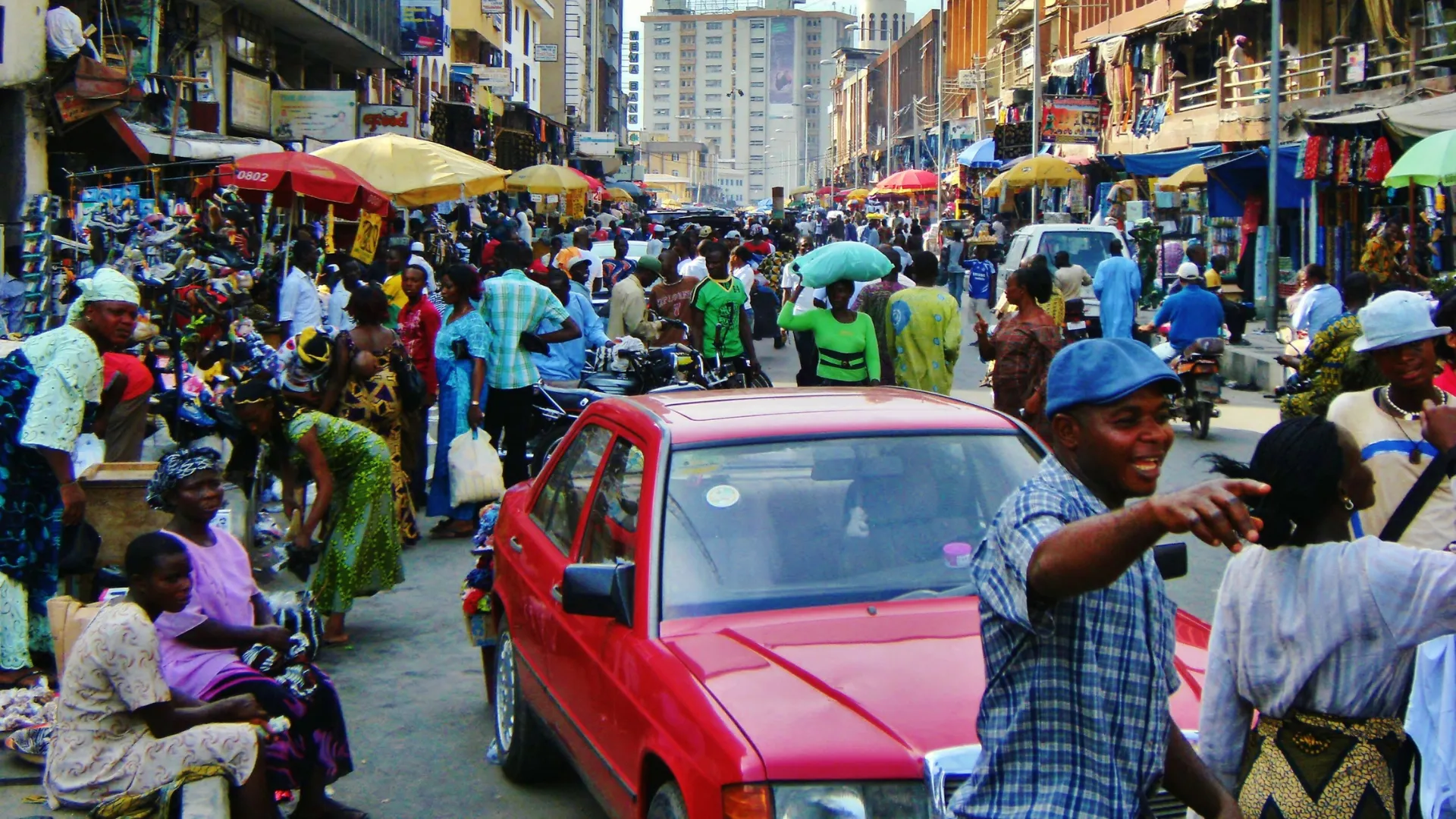
These reforms have increased investor interest, but they have also triggered a cost-of-living crisis. Food and transport costs have increased, creating hardship even with economic growth.
Last month, he announced a new annual growth target of 7% by 2027, which is an ambitious goal, given that he aimed for 6% when he took office in 2023. His vision was to lift millions of people from poverty and expand the economy by four times by 2030. He acknowledged that the country has low public savings, which he cited as a barrier to further growth. Public investment accounts for 5% of GDP, which he wants to increase.
With the goal of optimising every naira, he urged his economic team to find out how government revenue is spent, including fees charged by the tax authority, customs, and the national oil company, NNPC Ltd.
On the other hand, its financial sector is undergoing its own changes. Nigeria’s Securities and Exchange Commission has ordered fund managers to calculate the value of the bonds on the current market price, rather than the original purchase cost. It was planned to be implemented by October 2, which aims to boost transparency and align Nigerian financial markets with global standards.
While this will support better pricing and liquidity, it may also expose investors to market fluctuations. Niyi Falade, Executive Director at Custodian Investment Plc, stated that bond prices had not previously reflected market movements, but now they will experience fluctuations as interest rates change.
Analysts believe that the change will help modernize Nigeria’s capital market and make its fixed-income assets more attractive to international investors.
All these reforms, along with the improved growth numbers, signal a new chapter for Nigeria’s economy. The coming months will reveal whether these changes can provide sustainable growth and improvements in the lives of Nigerians.