

Woodside estimates that this deal could generate a total revenue of $378 million, reducing its net capital spending on this project to $9.9 billion from the previously estimated $11.8 billion.
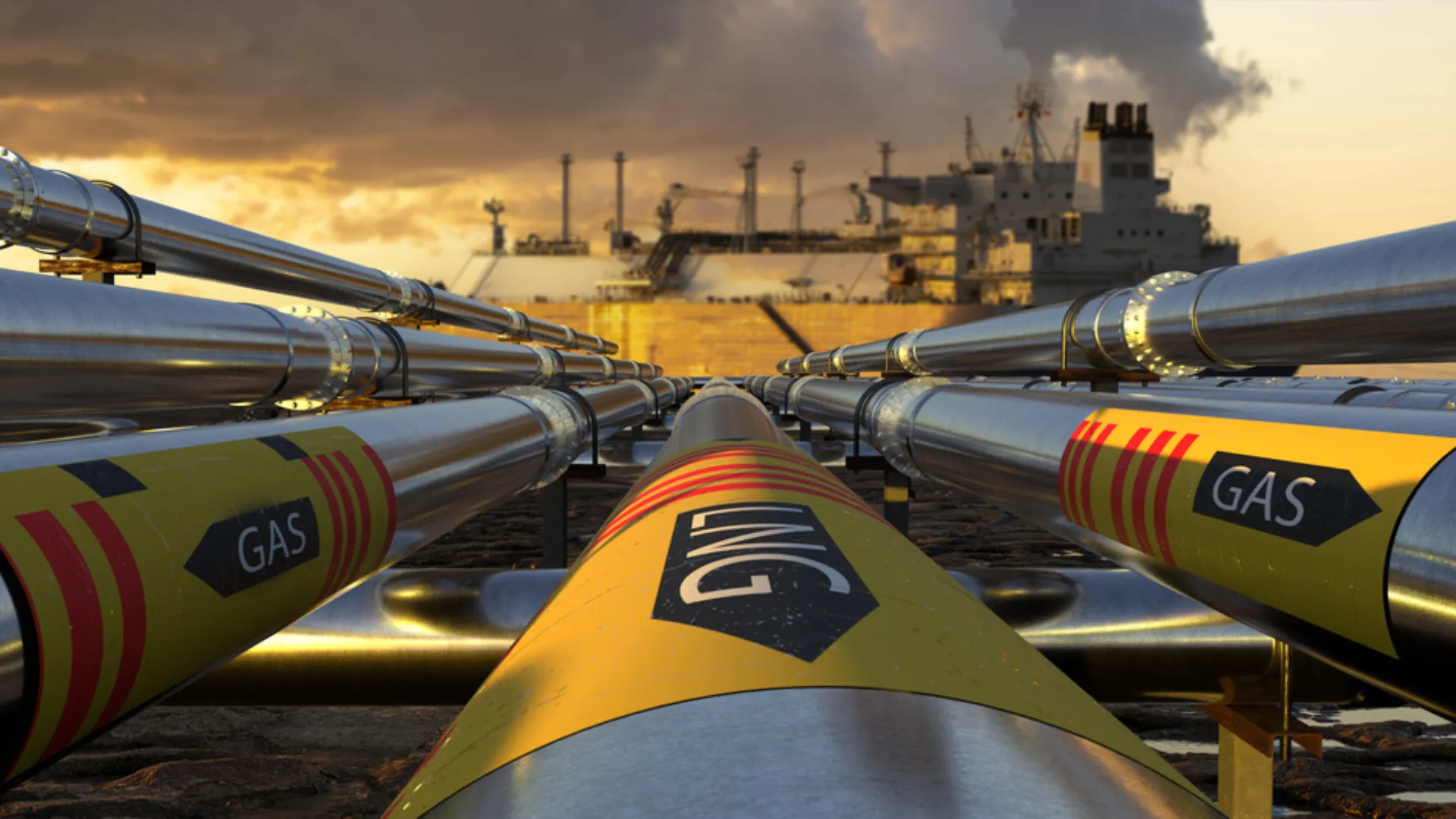
Gas pipeline operator Williams is set to invest $1.9 billion in Woodside Energy’s $17.5 billion LNG production unit and export terminal currently under construction in Louisiana. Williams will hold a 10% stake in the project and will also own 80% of the Driftwood pipeline, which is the Louisiana LNG project’s natural gas supplier.
Woodside estimates that this deal could generate a total revenue of $378 million, reducing its net capital spending on this project to $9.9 billion from the previously estimated $11.8 billion. Company shares were up 4.1% to A$24.11, the highest rise in over a month.
As per the deal, Williams will be given a 1.5 million metric tons per annum (mtpa) share of production from the Louisiana plant, along with 10% from a 1 mtpa deal Woodside previously signed with Uniper. Louisiana LNG will become operational in 2029 and is set to have a capacity of 16.5 mtpa.
Woodside is one of Australia’s biggest gas producers, and in April, news broke that the company had agreed to sell a 40% stake of its Louisiana plant to US infrastructure investor Stonepeak for $5.7 billion. Along with reducing the company’s capital spending, this deal was also an important marker of Woodside’s final investment decision on the Louisiana LNG plant.
The gas producer said that it was considering more partners to sell a larger portion of its holdings. After spending $1.2 billion to acquire Tellurian last year in order to meet the rising demand for gas, Woodside announced its plans to build the 27.6 million metric tons per year Louisiana LNG project, formerly known as Driftwood, in four stages.
Since then, its shares have sharply underperformed peers due to investor concerns about the capital intensity of its US expansion strategy. According to Woodside, Stonepeak‘s contribution improved the project’s cash flow and economics and is expected to cover 75% of capital expenditures in 2025 and 2026.
However, energy companies are not too concerned about their US expansion strategy, as President Trump came to power as the pre-fracking candidate and, since taking over the White House, has consistently announced new efforts to increase oil production and exports in the country.
In January, the US President declared that there was a national energy emergency, and as part of his initiatives to increase production, Trump announced the rapid issuance of permits, easing of environmental regulations and even pulled the US out of an international agreement to fight climate change.
Trump’s return to the Oval Office has reversed four years of climate action that was achieved under the Biden era. The Republican President has repeatedly emphasised that America will return to becoming a manufacturing nation and that the US is blessed with something no other nation has- the world’s largest reserves of oil and gas.
Determined to optimally utilise these resources, Trump not only pulled out of the 2015 Paris Agreement but also signed orders to expand oil and gas production projects in Alaska, revoked the freeze on LNG exports from the US, and also lifted the EV target instated by Biden, who called for 50% of all new vehicles sold in the US by 2030 to be electric.
Meanwhile, Trump’s pledge to restock strategic stockpiles would drive up oil prices by increasing demand for US crude oil. President Biden sold a record 180 million barrels of crude oil from the US Strategic Petroleum Reserve following Russia’s invasion of Ukraine. The reserve, which was intended to protect the US from a possible supply shock, fell to its lowest level in 40 years as a result of the sales, which also helped stabilise gasoline prices.