
Toyota Announces $1.34 Billion Investment in Argentina's EV plant
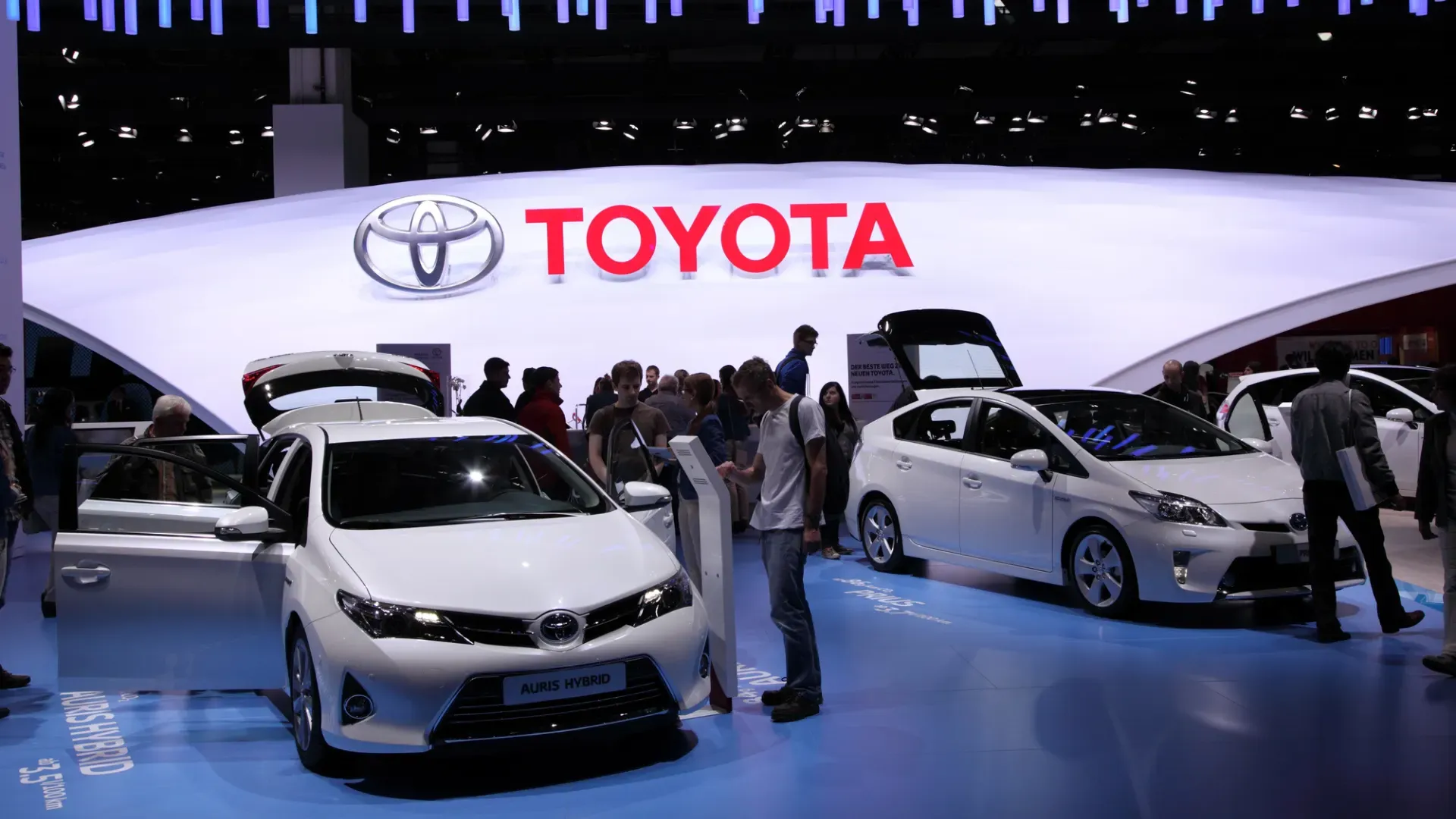

Toyota will invest $1.34 billion in an electrified vehicle plant in Argentina, thus giving a boost to the export-focused manufacturing sector. The plant will be built at Toyota’s industrial complex in Zárate, Buenos Aires province. Argentina has approved the project under the RIGI investment scheme, which aims to attract large-scale investments.
The proposed facility will produce a fully electrified vehicle, according to Economy Minister Luis Caputo. Toyota has not yet identified the model or disclosed the vehicle’s production technology in detail.
Instead, the automaker has described the project as producing “un vehículo electrificado en su predio industrial de Zárate” (an electrified vehicle at its industrial site in Zárate). The company also said the RIGI approval is an important step towards its final investment decision.
Industry reports have linked the project to an electrified version of Toyota’s Hilux. However, Toyota has not officially confirmed the model. This distinction is important because the investment decision is still moving through the company’s final internal approval process.
The investment is based on exports, not on Argentina's domestic market.
Caputo added that the future factory will export $1.28 billion each year, 70% of its products. Thus, the investment will make Zárate an industrial base for Latin American markets.
According to Caputo, the project is export-oriented. It will be sold for US$1.28 billion per year outside of the country, making up almost 70% of its total output.
The scale of the intended exports is another reason the investment goes beyond expanding the car line range. This could increase Argentina's ability to export electric cars in Latin America.
The project is expected to create more than 3,600 construction jobs. Once the facility becomes operational, it is projected to support more than 2,600 direct and indirect jobs.
That puts the combined employment impact above 6,200 positions across the two stages, although the figures represent different phases rather than permanent employment.
The project could also support demand across Toyota’s local supplier network as production expands.
Toyota’s project is significant for another reason. It is the first automotive project approved under Argentina’s RIGI investment regime.
The framework provides tax, customs and foreign-exchange benefits for qualifying large investments. Toyota said the regime can “improve competitiveness, provide greater long-term predictability and generate a favourable environment for investments”.
The approval does not mean production starts immediately. Toyota said it will announce details on investment timing and future production plans later. The company still needs final internal approval for the project.
Toyota has operated its Zárate plant since 1997. The site currently produces the Hilux pickup, SW4 SUV, and Hiace van. Hiace production began at the site in 2024.
Toyota produced 180,352 vehicles in Argentina in 2025, up 5.8% from the previous year. About 80% of its output is exported to 22 Latin American markets, according to El Cronista.
The new investment would therefore add electrified vehicle manufacturing to an established export platform.
The move also comes as automakers increase investment across Latin America while facing stronger competition from Chinese vehicle imports. Renault recently announced a new pickup programme in Argentina, adding to the country’s growing competition for regional automotive production.
For Argentina, Toyota’s decision places electrified vehicle manufacturing at the centre of its next phase of automotive investment. The project could strengthen the country’s role as a regional manufacturing and export base while supporting jobs and local suppliers. It also gives Argentina an opportunity to build greater capacity in electrified vehicle manufacturing, ancillary industry development and related technologies.
For Toyota, the investment creates a potential new export base for electrified vehicles while expanding the role of its long-established Zárate complex. The project also allows the company to build on an existing manufacturing and supplier network rather than establishing an entirely new industrial base. Its export focus could help Toyota serve Latin American markets from within the region as the automotive industry gradually shifts towards electrified vehicles.