
Gemini 4 Argon and Project Suncatcher for AI in Space announced by Google

Google ended September with two announcements moving in opposite directions. On one hand, it introduced Gemini 4 Argon, which is a frontier model designed for the enterprise users of AI in software engineering, finance, law and cyber defence. The other is Project Suncatcher, a research project exploring whether future AI computing can happen in orbit.
The latest product named Argon was announced by Koray Kavukcuoglu, Google DeepMind's Senior Vice President and Head of AI architecture, on September 30. This product is intended for maintaining deep reasoning in a long process of professional activities. The primary innovation of this product concerns its output capacity, which is increased to one million tokens compared with 64,000 in its predecessor. It allows the system to solve a problem in one run. According to Google, Argon creates a new state of the art in the DeepSWE v1.1 software engineering benchmark with 77.9%. The product also outperforms other models in the Vals Index based on the importance of finance, programming, law, and taxation within the US GDP.
According to Google, Argon is already used within its own processes. Groups of agents studied the telemetry data for its fleet to optimise memory usage in data centres, which saved over 300 TiB once the changes were implemented, with the savings amounting to 500 TiB to a whole petabyte in total. More agents are working on converting C and C++ code into Rust, where one example includes converting over 800,000 lines of code in the Fuchsia Zircon kernel. In particular, a memory-safe video decoder library named libgav1 performs 2.7 times better than a previous version that was converted into Rust. The research team also noted that the algorithm outperformed a published baseline by 40% while optimising a quantum subroutine. This information is company-provided, and larger rewrites are audited before deployment.
Argon has yet to be made widely available. It is being rolled out initially to trusted cyber defenders via Google's Fairwind Program while the company participates in the US government's voluntary pre-release access program. For such defenders and its own security team, Google plans to launch Argon without cyber guardrails for the model to be able to autonomously detect, verify, and fix vulnerabilities. Wiz, a cybersecurity firm making use of the model for its Scan for Good project, states that it was able to detect a serious vulnerability in healthcare software used by hospitals around the world, something missed by other frontier models. On CWE-bench v1, which tests vulnerability remediation, Argon shares first place at 68 percent. Google says that it will have safeguards against misuse, prompt injection, and misalignment, among others, as well as hardening of testing environments. A wider release of the model will start with paid API customers and Google AI Ultra users with a starting cost of $2 per million input tokens and $10 per million output tokens. These prices go up to $4 and $20, respectively, after the introductory period.
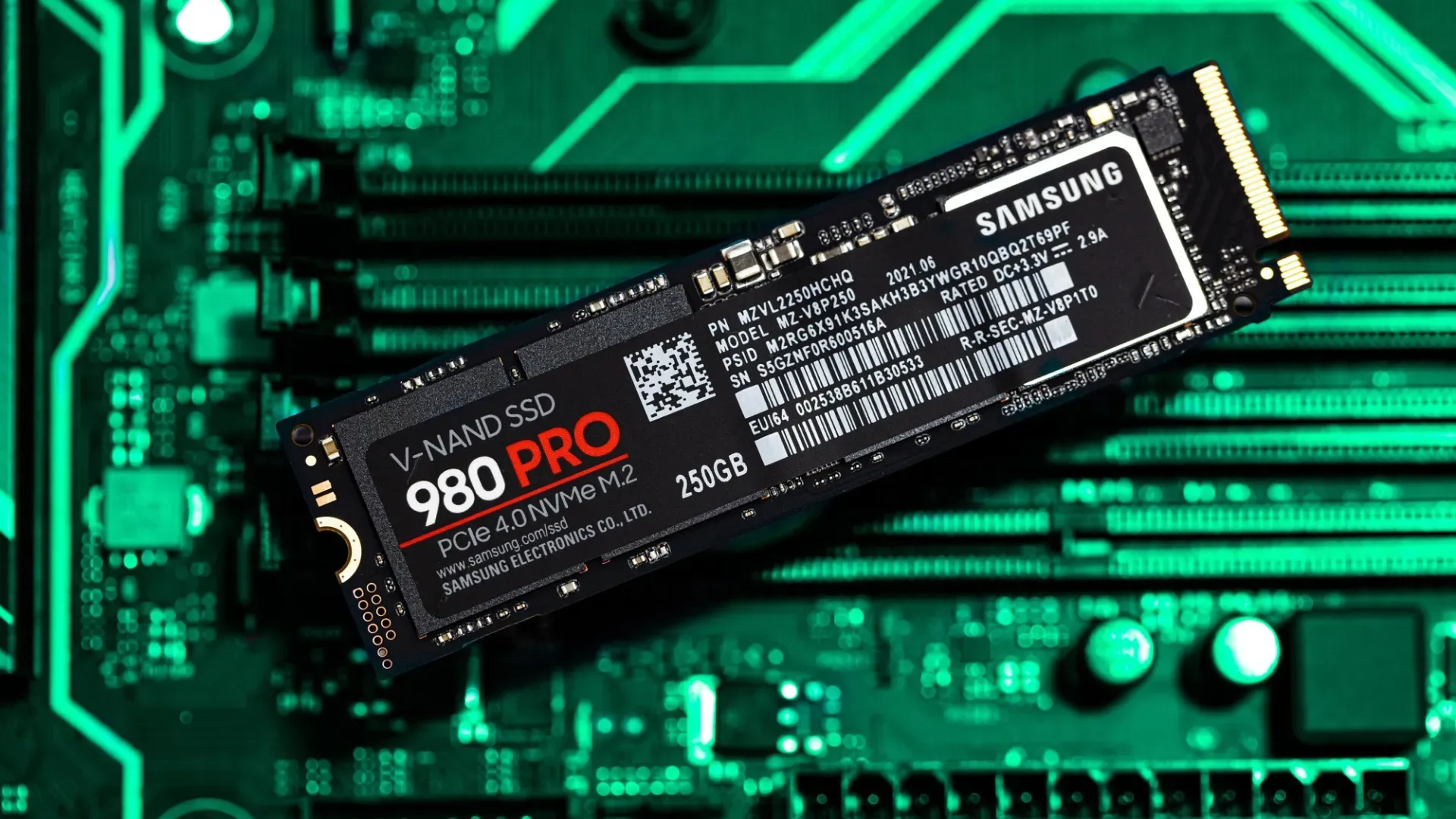
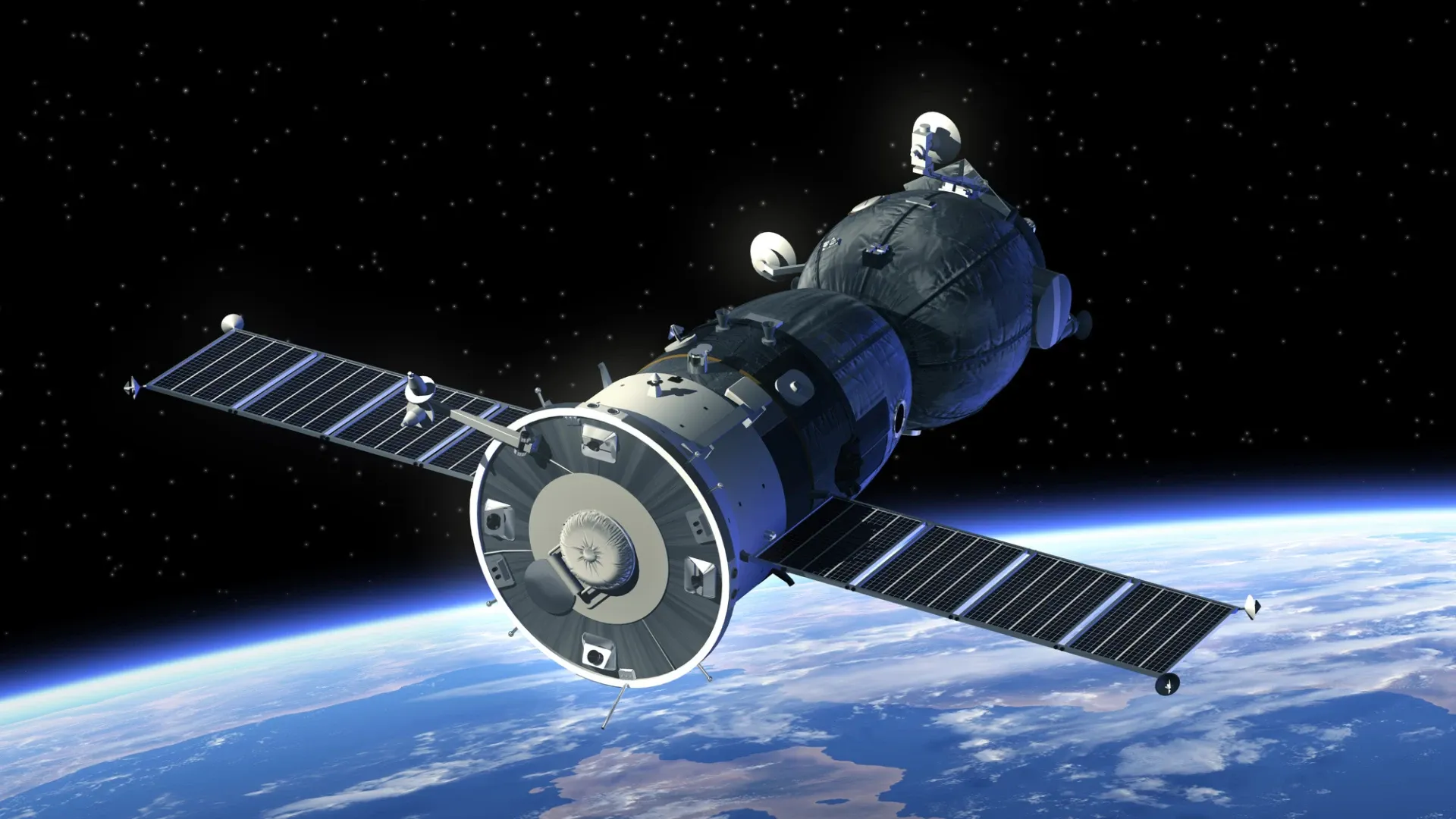
The logic of Suncatcher is energy. It was announced by Google in November 2025, claiming that satellites in low-Earth orbit could harvest eight times as much power from the sun compared to systems based on the ground. On October 1st, Google successfully tested a prototype carrying four of its TPU chips, which are custom-made to run artificial intelligence computations, using SpaceX's rideshare mission called Transporter-18. The company Planet created the satellite together with Google. Google confirmed that contact has been established and testing in orbit has been started with the goal of understanding how their hardware operates in actual space conditions and not simulated ones on Earth.
Caution is in order here. Four chips represent the experiment and not a data centre. Google's preliminary research revealed that although space-based computing is not physically or economically impossible, it would be quite difficult from the engineering point of view because of problems with thermal management, communication at high bandwidth rates with the Earth, and sustainability in orbit. Google initially planned to conduct experiments on two prototypes by early 2027 related to laser links between satellites.
The two companies serve as lessons for business leaders. Argon shows how frontier computing models are now becoming operational, with pricing suitable for productive purposes and phased releases depending on risk. Suncatcher’s move is a belief that energy will become the limit to the potential of artificial intelligence. There is no telling whether orbital computing will ever be economically viable or not. What is clear, however, is that there is an expectation that the need for computing will continue to grow.