

The Rise of New Zealand’s Food Exports
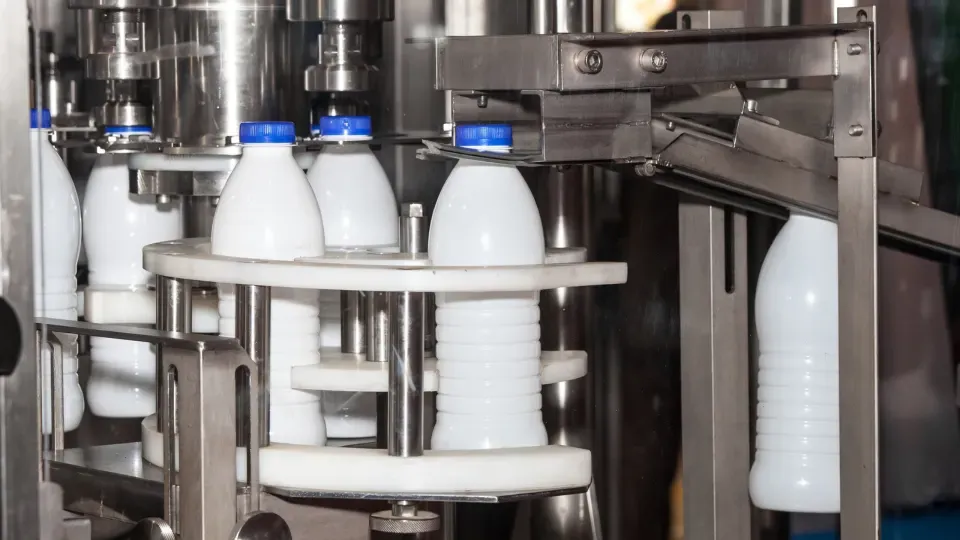

New Zealand is strengthening its position as one of the world's most influential agricultural trading nations, with its food and fibre industry delivering record export earnings and opening new opportunities across international markets. From dairy and premium meat to kiwifruit, apples, seafood and forestry products, the country's agricultural businesses are benefiting from strong global demand, improved market access and an increasingly sophisticated export network. The latest figures demonstrate how agricultural production is evolving into a powerful driver of economic growth, international trade and business investment.
According to the New Zealand Government's announcement on 9 October 2026, food and fibre exports reached a record NZ$65.2 billion in the year ended June 2026, representing an 8 per cent increase compared with the previous year. The result exceeded the Ministry for Primary Industries' earlier forecast of NZ$64.3 billion, highlighting the strength of the country's agricultural industries despite international economic uncertainty, rising production expenses and disruptions to global supply chains. This performance also reinforces the importance of food and fibre exports to New Zealand's wider economic ambitions.
New Zealand's agricultural success is built on a combination of favourable production conditions, established international relationships and a reputation for supplying high-quality products. Its dairy, meat, horticulture and forestry industries have developed extensive commercial networks connecting domestic producers with consumers, manufacturers, retailers and food-service businesses worldwide.
Dairy remains the largest contributor to the country's food and fibre export earnings. Revenue from dairy exports increased by 6 per cent to NZ$28.8 billion in 2025–26, supported by strong international prices and sustained demand for milk powder, butter, cheese and other dairy products. New Zealand's established dairy processing infrastructure and export-oriented business model continue to provide a competitive advantage, particularly in markets where reliable food supplies and quality standards are important purchasing considerations.
The meat and wool industry delivered an even stronger annual increase, with export revenue climbing by 20 per cent to NZ$14.8 billion. International demand for premium beef and lamb, combined with constrained supplies in several major producing countries, has strengthened prices and improved export returns. New Zealand's livestock businesses are also benefiting from established relationships with overseas distributors and food-service operators, allowing producers to reach customers seeking traceable and high-quality meat products.
These results demonstrate that the country's agricultural competitiveness extends beyond production volumes. Its ability to maintain quality, meet international requirements and deliver products through established distribution networks is becoming increasingly important to long-term export performance. Horticulture is emerging as another significant contributor to New Zealand's export expansion. The country's fruit industry has established a strong international presence, particularly through kiwifruit and apples, which continue to attract demand across Asia, Europe and other major consumer markets. According to United Fresh New Zealand's Fresh Facts 2026 announcement on November, fresh produce export earnings reached NZ$7.32 billion, an increase of 7 per cent compared with the previous year. The wider fruit and vegetable industry generated an estimated NZ$9.87 billion in total value, including domestic sales.
Kiwifruit remained the leading contributor, achieving export earnings of NZ$4.2 billion, up 14 per cent. Apple exports also recorded a strong performance, increasing by 6.1 per cent to NZ$1.31 billion. Fresh fruit accounted for NZ$6.2 billion of horticultural exports, underlining the importance of international markets to the country's growing businesses. Asia continues to be the principal destination for New Zealand's horticultural products, representing 55 per cent of exports, while the European Union and wider European markets account for another 23 per cent. These figures demonstrate the value of maintaining diverse international distribution channels rather than relying on a limited number of destinations.
However, the industry's expansion is not without financial pressures. Growers are facing higher fuel, fertiliser and freight expenses, which can reduce operating margins even when export prices remain favourable. United Fresh reported that production costs increased by 6.2 per cent over the year to June 2026, with fuel costs rising particularly sharply. For agricultural businesses, improving productivity and securing sustainable returns will therefore be essential to maintaining international competitiveness.
One of the most important developments supporting New Zealand's agricultural export industry is the expansion of its international trade relationships. Free trade agreements are helping domestic businesses access overseas markets, reduce tariff barriers and establish more predictable commercial conditions. The New Zealand–European Union Free Trade Agreement, which entered into force in May 2024, has contributed to stronger export relationships with European buyers. According to the Ministry for Primary Industries' June 2026 outlook, food and fibre export revenue to the European Union increased by 56 per cent following the agreement's introduction, reaching NZ$5.1 billion. The October 2026 government announcement subsequently reported that exports to the EU had reached NZ$5.3 billion in the year ended June 2026.
The United Kingdom has also become an important destination for New Zealand's primary industries. The bilateral free trade agreement has improved access for dairy, beef, lamb, honey and horticultural products. Growing demand for New Zealand cheese, butter and premium meat demonstrates how reduced trade barriers can create commercial opportunities for producers and exporters seeking to strengthen their international presence. Perhaps the most significant recent development is the New Zealand–India Free Trade Agreement, which entered into force on October 2026. The agreement represents an important opportunity for agricultural businesses seeking greater access to one of the world's largest consumer markets.
Under the agreement, 57 per cent of New Zealand's exports to India receive tariff-free access from the outset, with additional preferential arrangements covering products such as apples and kiwifruit. The agreement also provides opportunities across wool, forestry and other agricultural products. With another round of tariff reductions scheduled for January 2027, exporters have further incentives to establish long-term commercial relationships with Indian importers and distributors.
For New Zealand's agricultural businesses, India offers more than an additional export destination. Its expanding consumer market, growing demand for quality food products and extensive distribution networks create opportunities for partnerships, investment and product diversification. Beyond international trade agreements, innovation is becoming an essential part of New Zealand's agricultural growth strategy. Businesses are increasingly recognising that long-term export competitiveness depends on improving production efficiency, reducing environmental pressures and developing products that deliver greater value to international customers.
Technology is playing an expanding role in modern agricultural operations. Digital farm-management platforms, automated processing systems, advanced irrigation, data-driven livestock monitoring and precision horticulture are helping producers make more informed operational decisions. These developments can improve productivity, reduce unnecessary expenditure and support more consistent product quality. Food processing is another area attracting attention. Rather than relying exclusively on the export of unprocessed agricultural commodities, businesses are exploring opportunities to manufacture higher-value products, including specialised dairy ingredients, premium packaged foods, nutritional products and processed fruit.