
Leonardo, Rheinmetall Win €3.7 Billion Contracts for Italy’s Armoured Vehicle Revamp
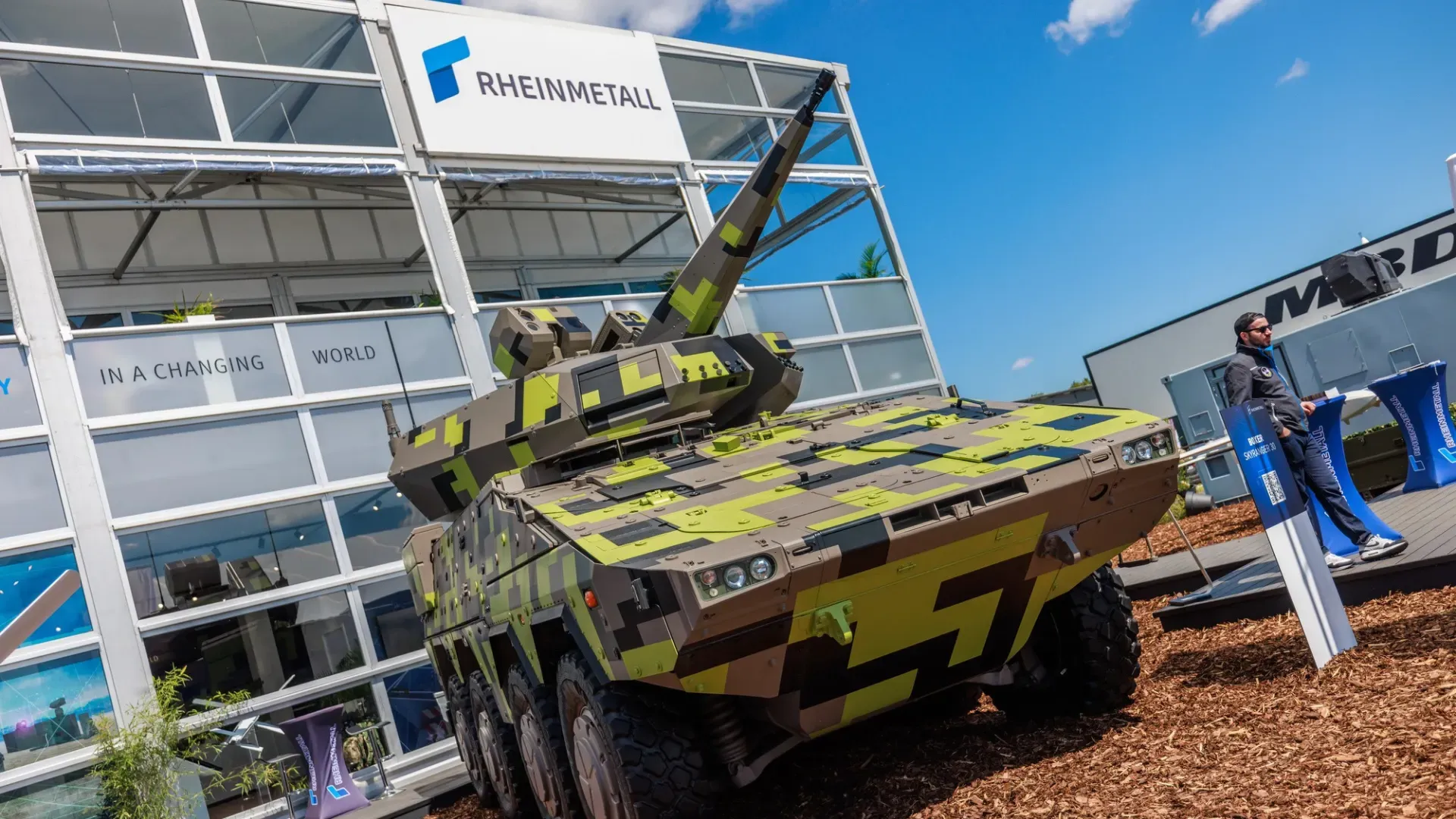

There have been reports of renewed efforts to modernise the armoured forces of Italy by means of two contracts of €3.7 billion each won by Leonardo and Rheinmetall of Germany for the production of infantry combat vehicles and future generation main battle tanks. This comes at an important stage of the renewal process of the Italian army of Italy in a long-term effort.
The contracts were reported by renowned news agencies on 22 October 2026. The contracts were awarded as a result of the 50-50 joint venture of Leonardo and Rheinmetall, which was launched in 2024. The estimated value of the contract is approximately $4.16 billion.
However, the two companies did not officially confirm signing the deal.
The two programmes covered by the contracts are the Army Armoured Combat System (A2CS) and Italy’s New Main Battle Tank (MBT).
The New Main Battle Tank programme aims at replacing Italy’s ageing Ariete tanks. Ariete entered service in the 1990s. The replacement is part of efforts to upgrade the Army's equipment to meet future operational needs.
In another report by Italian defence magazine Rivista Italiana Difesa, the first contract for the MBTs was valued at €3.4 billion with an option for €850 million. In addition, the first contract contained 48 tracked armoured platforms, 26 of which were for combat use. This information provides some background information on the reported procurement, even though the exact nature of the contractual agreement needs to be confirmed.
The distinction is important in that the €3.7 billion contract is just one phase in a much larger modernisation programme.
Leonardo chief executive Lorenzo Mariani stopped short of confirming that the contracts had been signed. He said formal communication must be coordinated with the customer.
"The programme is ready to enter production from our side. We are actively working on both the tank programme and the Future Combat System (FCS) and are progressing on both in close cooperation with Rheinmetall," Mariani said in Rome.
He made the comments on the sidelines of the annual meeting of the state-backed Fondo Italiano d'Investimento.
Mariani also stressed the project's significance for the Italian military’s modernization, export prospects, and cooperation between the two companies.
The joint venture combines Leonardo’s know-how and industrial capabilities in Italy with Rheinmetall's land-systems expertise. Moreover, the business model allows both companies to explore further prospects outside of the country.
The reported contracts sit within Italy’s wider armoured vehicle plan, estimated at around €23 billion. The programme extends over several years, with tank deliveries expected through 2037 and A2CS deliveries potentially continuing through 2040, according to Italian financial and defence industry reporting.
That timeline highlights the scale of the challenge. Modernisation requires more than buying new platforms. It also involves production capacity, testing, training, maintenance and long-term logistical support.
The staged approach allows the Army to begin introducing new equipment while the wider programme continues. It also gives the companies a longer production horizon, subject to funding, contractual milestones and delivery schedules.
For Leonardo, the deal would strengthen its position in land defence alongside its established aerospace and electronics businesses. For Rheinmetall, the partnership provides a route into a major Italian procurement programme through a jointly owned venture.
The €3.7 billion worth of contracts are indeed large in amount, but they must be seen in the context of the broader funding needs for Italy’s defence plans. The whole programme of modernization is going to take place over several years to come, depending on future budget funding and subsequent phases of procurement.
It is vital to note the difference between the first agreement and the overall cost of the programme. A large sum does not mean that all of the vehicles have been ordered and that the whole programme has been funded.
The next critical stages will be the signing of the contract, its exact description, and production and delivery schedules.
In case of confirmation, the deals would provide a solid industrial base for the modernization of the Italian armoured vehicles. They would also show whether Leonardo and Rheinmetall can make their cooperation successful.