

Kenya’s $160 Million Conservation Deal Targets Wildlife Protection and Community Benefits
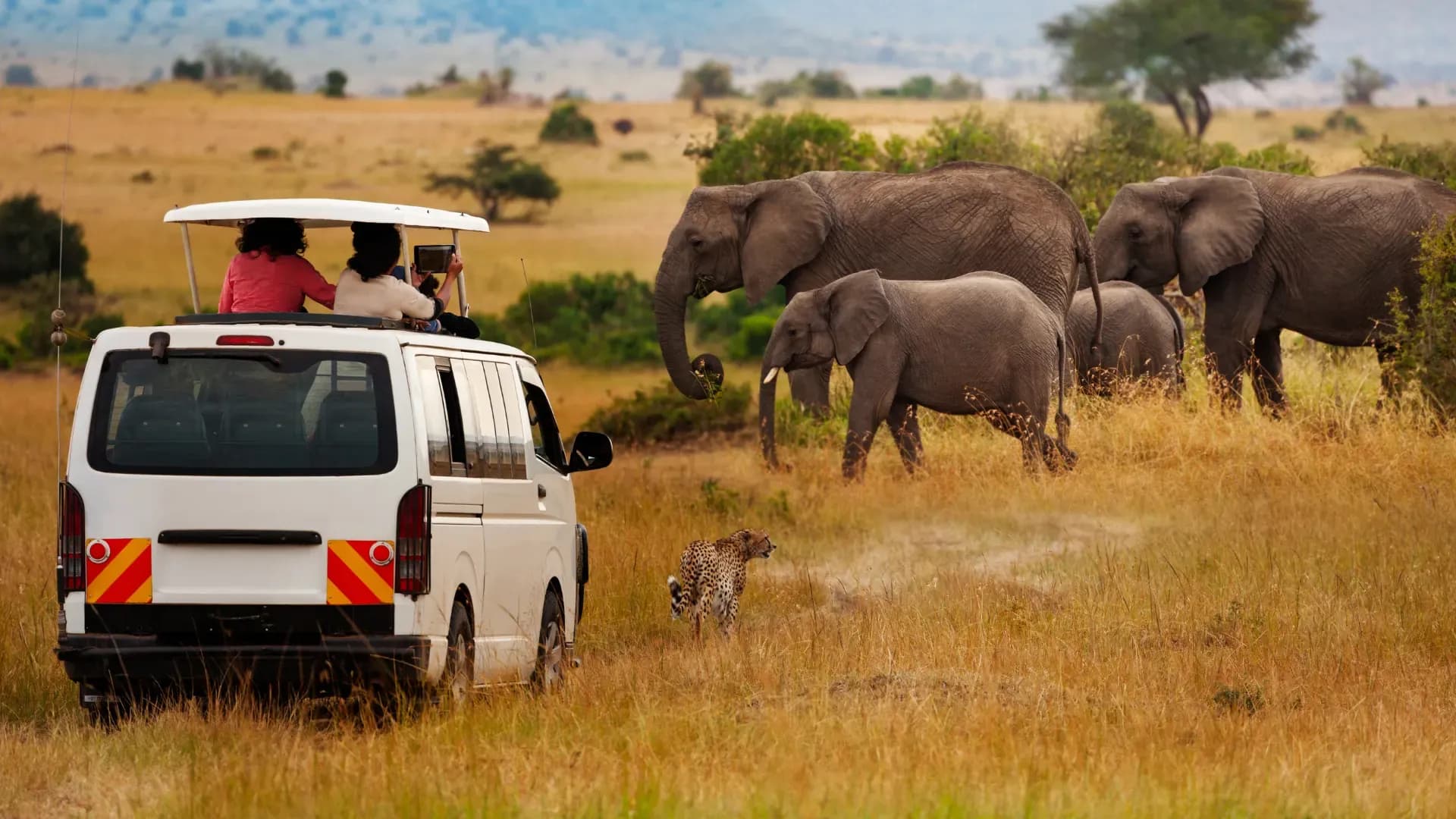

Kenya is implementing a $160 million, ten-year programme that will promote conservation efforts by integrating biodiversity conservation, local livelihoods, climate change, and economic development. The Thamani Asili program combines government and philanthropic funding. This programme will conserve biodiversity and create economic benefits for communities living next to the wildlife.
The Tourism and Wildlife Cabinet Secretary, Rebecca Miano, launched the program on 21 October, in collaboration with The Nature Conservancy (TNC) and Enduring Earth. The program’s name means “value of nature” in Kiswahili.
The programme will receive $80 million from the Kenyan government and an equal amount in philanthropic funding, bringing the total commitment to $160 million over 10 years. It will use the Project Finance for Permanence (PFP) model, which ties long-term funding to specific conservation targets and government commitments.
The approach intends to solve a long-standing problem in environmental protection. Conservation initiatives usually rely on grants that last only a certain period of time. Long-term funding will allow both authorities and communities to plan beyond each funding cycle.
The recently formed Thamani Asili Fund for Kenya will be responsible for managing the programme. This will ensure management and distribution of donor funds, and follow-up. The presence of an independent conservation trust fund makes monitoring results a key implementation issue.
Thamani Asili is meant to support conservation in 17.3 million hectares across 31 counties. This includes creating 2.7 million hectares of new conserved areas. It will also improve 11 million hectares already under conservation. The program will provide community support for six million hectares.
The three categories represent different activities, but the program has no intention of making all the designated lands national parks.
At the early stage, the project will be implemented in four landscapes, namely Tsavo to Coastal, Greater Ewaso, Greater Rift to Western and Southern Kenya.
In these landscapes, you will find wildlife habitats, watersheds and community lands. Tsavo landscape is very crucial as this is where 40% of Kenya's elephants and 20% of critically endangered black rhinos are found, per reports by Reuters. The southern landscape is also very crucial as it links the ecosystem of Maasai Mara with the Serengeti of Tanzania.
The initiative places local communities at the centre of its conservation model. It aims to benefit approximately 1.6 million people directly, with another 3.9 million expected to benefit indirectly.
The programme projects around 7,800 direct jobs and 15,000 indirect jobs. Potential opportunities include ecotourism, sustainable grazing, carbon-related projects and other nature-based businesses.
It will also support improved land management and measures to reduce human-wildlife conflict. These interventions matter in areas where wildlife can damage crops, threaten livestock, and put financial pressure on households.
Kenya Wildlife Service Director General Erustus Kanga said, “Conservation is not just about protecting wildlife; it is about protecting a way of life, honouring the cultures and heritage of our communities, and securing a future where people and wildlife thrive together. When elephants and livestock drink from the same water points, we are reminded that we share one landscape and one responsibility. Our communities are not separate from conservation; they are its heart.
Together, we must ensure that the people who live alongside wildlife are not only its custodians but also beneficiaries of its value. Because when communities thrive, wildlife thrives, and our natural heritage lives on for generations to come.”
Thamani Asili is expected to help Kenya advance its goal of placing 30% of its land, inland waters and near-shore ecosystems under effective conservation management. TNC estimates that around 20%–23% of the country is currently protected under the relevant conservation measures.
The programme also aims to help avoid approximately 7.5 million tonnes of carbon emissions by 2035. Its wider economic significance extends beyond wildlife tourism. Kenya’s agriculture, water security and other economic activities depend on healthy ecosystems. A United Nations Environment Programme report cited by Reuters noted that around 42% of Kenya’s gross domestic product and 70% of employment depend on nature in some form.
Ruth Masha, TNC’s country director for Kenya, said: “We know that when communities lead, conservation can deliver lasting results. Thamani Asili strengthens community rights, voices and decision-making over land and resources, so people can conserve the places they depend on while also improving livelihoods, creating jobs and building stronger, more resilient local economies for the future.”
The deal arrives as Kenya pursues major development projects alongside its environmental commitments. The country recently drew attention for a proposed $16 billion oil refinery on its coast, raising broader questions about how economic development and environmental protection can coexist.
Thamani Asili offers a long-term funding framework. However, its success will depend on transparent spending, measurable conservation outcomes and meaningful community participation. The projected jobs and environmental gains remain targets, not completed results.
The central test will be whether Kenya can turn conservation funding into lasting benefits for both wildlife and the people who share its habitats.