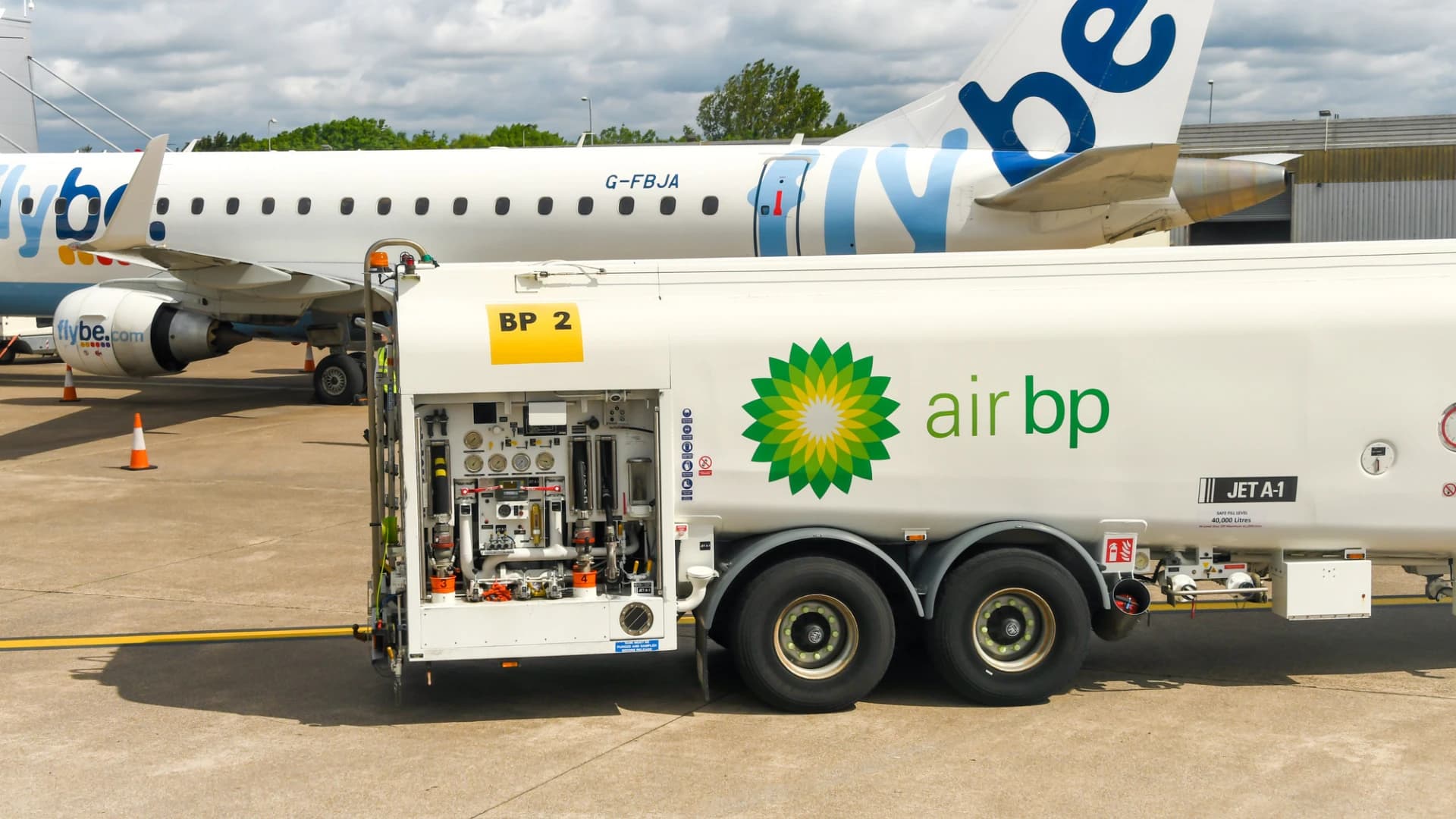

Australia's SAF Take-off: POSCO, Qantas and Airbus Power a New Aviation Era
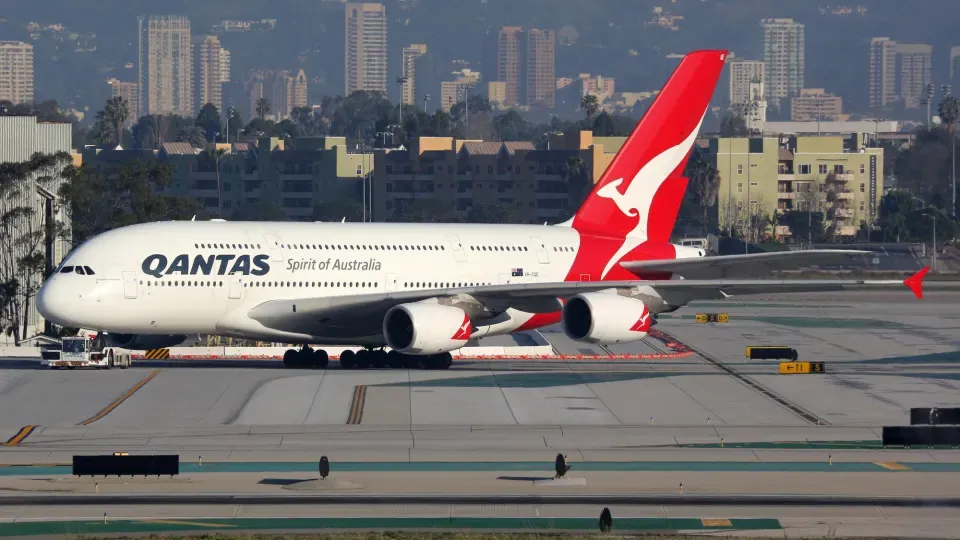

Australia is positioning itself for a significant transformation in aviation and clean energy, as international investors, major airlines and aerospace manufacturers join forces to establish a domestic sustainable aviation fuel industry. The growing partnership between South Korea's POSCO International, Australia's Qantas Airways and European aircraft manufacturer Airbus represents an important development in the country's ambition to reduce aviation emissions while strengthening its long-term energy security.
At the centre of this emerging industry is Jet Zero Australia's Project Ulysses, a proposed commercial-scale sustainable aviation fuel (SAF) and renewable diesel refinery in Townsville, Queensland. The project has attracted international attention following POSCO International's entry as a strategic investor alongside Qantas and Airbus, signalling that Australia's ambitions are increasingly attracting global industrial capital.
The development is about more than producing an alternative aviation fuel. It represents an opportunity for Australia to transform its agricultural and forestry resources into higher-value energy products, establish new manufacturing capabilities and become a potential supplier to the rapidly developing Asia-Pacific sustainable aviation market.
The most significant development emerged on 3 November 2026, when the Australian Trade and Investment Commission (Austrade) confirmed that South Korea's POSCO International had joined Qantas and Airbus as a strategic investor in Jet Zero Australia's A$30 million funding round, completed in September. The investment marks POSCO International's first global investment in a company developing sustainable aviation fuel and renewable diesel, making it an important step in the organisation's wider energy transition strategy.
For POSCO International, the attraction extends beyond the financial opportunity. Australia offers access to agricultural resources, renewable energy potential, established industrial infrastructure and strategic connections with Asian energy markets. Through its partnership with Jet Zero, the company intends to explore opportunities involving fuel offtake agreements, infrastructure development and sustainable feedstock supply, subject to further commercial agreements.
The investment also reflects South Korea's growing interest in diversifying its energy supply chains and securing access to lower-carbon fuels. As aviation markets across Asia-Pacific seek alternatives to conventional petroleum-based jet fuel, establishing reliable production and distribution networks could become an increasingly valuable commercial advantage.
POSCO International's participation therefore brings more than additional investment capital. Its international trading capabilities and experience in energy supply chains could help connect Australian production with future demand across regional aviation markets. However, the scale of that contribution will ultimately depend on the commercial agreements and supply arrangements developed as Project Ulysses progresses.
At the heart of the partnership is Project Ulysses in Townsville, Queensland. Developed by Jet Zero Australia, the proposed refinery is designed to produce sustainable aviation fuel and renewable diesel using an Alcohol-to-Jet (ATJ) production pathway. According to the feasibility assessment reported by Austrade, the facility could produce up to 113 million litres of SAF and renewable diesel annually. This would make it one of Australia's most significant proposed low-carbon liquid fuel developments, with the potential to establish a domestic production base for industries that continue to depend heavily on liquid fuels.
The project's progress received an important boost in September 2026, when Jet Zero announced that it had completed its A$30 million funding round and secured final development approval from the Queensland Government. The investment, supported by Qantas, Airbus and POSCO International, is primarily intended to finance the completion of Front-End Engineering Design (FEED), an essential stage before the project can move towards a Final Investment Decision and construction.
The development approval is another important milestone because it reduces a significant element of regulatory uncertainty. Nevertheless, approval and engineering progress should not be confused with a final construction commitment. The project must still demonstrate that its technology, financing, feedstock supply and future fuel sales can support a commercially viable refinery.
Jet Zero expects Project Ulysses to generate approximately 1,000 construction jobs and 100 permanent operational positions. Its wider economic contribution could extend into agriculture, feedstock collection, manufacturing, logistics and industrial services. Austrade estimates that the broader Australian biofuels industry could support more than 18,000 jobs by 2040.
While POSCO International brings industrial and energy-sector expertise, Qantas and Airbus contribute a different but equally important dimension: direct exposure to the aviation industry's future fuel requirements. For Qantas Airways, sustainable aviation fuel is becoming an increasingly important part of its long-term emissions reduction strategy. The airline has established an interim ambition to procure SAF equivalent to 10 per cent of its total jet fuel consumption by 2030, representing approximately 600 million litres of unblended fuel annually.
Qantas has also committed A$400 million through its Climate Fund to support initiatives that can accelerate aviation decarbonisation. Its investment in Australia's SAF industry reflects a practical business consideration: the airline currently sources approximately 70 per cent of its conventional jet fuel from Australia, making domestic production an attractive opportunity to strengthen future fuel availability.
For Airbus, supporting SAF production is closely connected with the future of aircraft manufacturing. The company recognises that existing aircraft fleets will remain dependent on liquid aviation fuels for decades, particularly across long-distance international routes where battery-powered alternatives face substantial technical limitations. Airbus has therefore been supporting sustainable fuel development through investment, industry partnerships and technological research. Its involvement alongside Qantas in Australia's emerging SAF sector demonstrates how aircraft manufacturers can contribute to decarbonisation beyond the production of more efficient aircraft.
Their combined participation also sends an important message to investors: the transition towards cleaner aviation requires collaboration between fuel producers, airlines, aircraft manufacturers and governments. Building a refinery without reliable buyers creates commercial uncertainty, while airlines cannot substantially increase SAF consumption without dependable production capacity. Bringing both sides of the industry into the investment process could help narrow this gap.
One of Australia's strongest advantages in developing a domestic SAF industry is its access to agricultural and forestry resources. Rather than depending entirely on imported petroleum or specialised fuel ingredients, the country has the potential to convert agricultural residues, forestry waste, used cooking oil and other sustainable materials into valuable low-carbon fuels.
The Australian Government is increasingly recognising this opportunity. On 26 August 2026, it released its National Bioenergy Feedstock Strategy, establishing a framework to strengthen feedstock availability, improve investment confidence, develop regional supply chains and ensure sustainability certification. The strategy is particularly important because large-scale fuel production requires a consistent supply of suitable raw materials, not simply investment in refinery infrastructure.