

Namibia’s $2.5B Fuel Gateway: Dangote’s Southern Africa Ambition

Namibia is increasingly positioning itself as a strategic player in Southern Africa’s evolving energy landscape, with ambitions to develop a major fuel storage and distribution hub capable of strengthening regional supply chains. The reported $2.5 billion fuel hub vision, linked to the growing interest surrounding African energy infrastructure and the potential involvement of major industry players such as Dangote, presents an important question for regional markets: could Namibia become a major gateway for petroleum trade, challenging established fuel distribution routes and reshaping how landlocked economies access energy?
The prospect arrives at a time when energy security has become a central economic priority across Africa. Fuel-importing nations are increasingly seeking diversified supply routes, improved storage capacity and greater protection against international price volatility. Namibia’s Atlantic coastline, port infrastructure ambitions and proximity to major southern African markets could position it as an increasingly valuable logistics centre if investment plans translate into operational capacity.
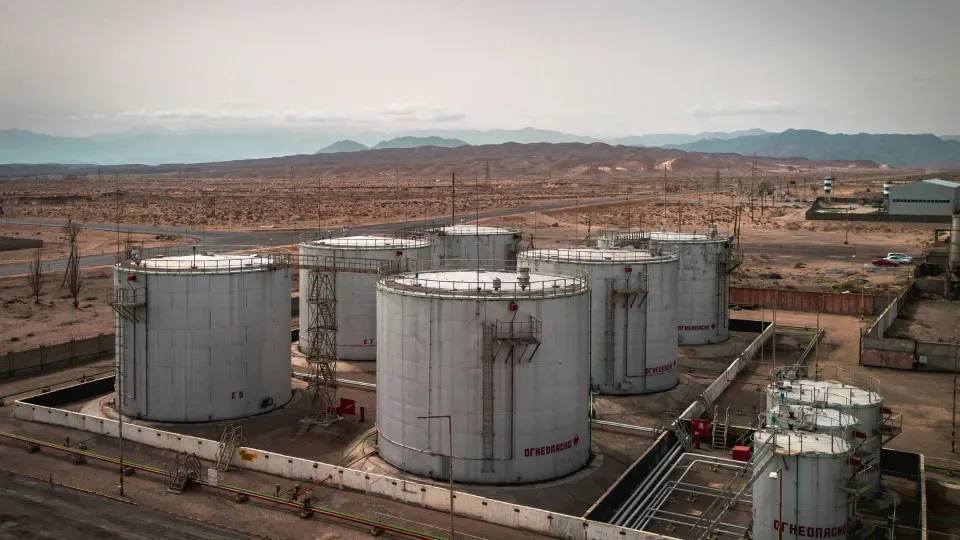
At the centre of the proposal is a 600-million-litre petroleum storage facility near Walvis Bay, equivalent to approximately four million barrels. The planned tank farm is expected to comprise 360 million litres of diesel and 240 million litres of petrol, supported by truck-loading systems, dispensing infrastructure and other distribution facilities. Its capacity would be roughly eight times that of Namibia’s existing 75-million-litre National Oil Storage Facility, significantly expanding the country’s ability to receive, store and distribute refined petroleum.
Walvis Bay offers a commercially attractive foundation for the project. Its port is an established Atlantic shipping gateway, while its position along key regional transport corridors creates opportunities to connect maritime imports with inland consumption centres. Expanding fuel storage alongside port operations could strengthen the town’s wider logistics ecosystem, attracting transport operators, industrial suppliers, warehousing businesses and investment into related infrastructure.
For Namibia, the project represents more than an increase in petroleum capacity. It could help elevate Walvis Bay from a port serving primarily maritime and freight activity into a strategic energy distribution centre with a broader regional economic role. Aliko Dangote’s involvement brings the project a significant industrial dimension. The Nigerian entrepreneur has been expanding his energy interests beyond domestic refining, building a business model that connects production, storage and distribution across African markets. His large-scale refinery in Nigeria provides a substantial source of refined petroleum, while investments in logistics infrastructure could help create new routes for moving products to customers across the continent.
The Namibia initiative fits into this broader strategy. Rather than relying exclusively on selling refined products into international markets, storage terminals and pipeline networks could offer a more direct route into southern African economies. Regional infrastructure could allow fuel to be stored closer to customers, improve supply flexibility and potentially lower the costs associated with repeated road transportation and fragmented distribution systems.
Reuters reported that the project could support Dangote’s efforts to diversify export markets for refined fuel, particularly as energy-transition policies are expected to influence long-term demand in traditional international markets. This makes Namibia potentially important not only to the host country but also to Dangote’s wider continental expansion strategy.
The proposed regional pipeline is arguably the most transformative element of the development. Plans outline a network of approximately 1,700 kilometres, connecting Walvis Bay with inland destinations and potentially supplying markets including Botswana, Zambia, Zimbabwe, Malawi and parts of the Democratic Republic of Congo. Proposed routes include connections towards Otjiwarongo, Rundu and Botswana’s Ghanzi and Francistown, although the final alignment remains subject to engineering studies, route surveys and regulatory approvals.
For landlocked countries, dependable fuel access is often shaped by port congestion, border procedures, road freight costs and disruptions along existing corridors. A pipeline-based distribution system could offer a new option for transporting large volumes of petroleum inland, reducing reliance on fuel tankers over long distances and improving supply planning.
Botswana and Zambia, in particular, could benefit from having an additional import corridor. Zimbabwe could also gain greater flexibility in sourcing petroleum, while other markets may eventually become part of the network as commercial agreements and infrastructure requirements are developed.
Nevertheless, a pipeline does not automatically guarantee cheaper fuel. Its economic value would depend on throughput, financing costs, tariff arrangements, maintenance expenses, cross-border agreements and the competitiveness of alternative routes. The project’s regional significance will therefore depend on how successfully its commercial model is structured.
Beyond the energy sector, the investment could generate wider economic benefits for Namibia. Construction of the storage terminal, pipeline infrastructure and associated facilities could create demand for engineering, project management, construction labour, technical services and logistics expertise. Once operational, the development could support long-term employment in storage management, transport, maintenance and petroleum distribution.
Walvis Bay could also benefit from additional commercial activity as regional fuel shipments increase. Greater cargo movement may create opportunities for port services, transport companies, suppliers and industrial businesses, reinforcing the importance of Namibia’s logistics sector to the wider economy.
The government’s enthusiasm reflects its ambitions to attract major foreign capital, strengthen infrastructure and improve Namibia’s role in regional trade. President Netumbo Nandi-Ndaitwah has placed the project under close presidential supervision, with the intention of accelerating implementation and reducing bureaucratic delays. However, attracting capital is only one part of the equation. The lasting economic value will depend on local participation, skills development, employment quality, tax contributions and the extent to which Namibian businesses become integrated into the project’s supply chain.
Despite its investment potential, the project faces an important regulatory test. Reporting published in November indicates that environmental approval for the fuel terminal and pipeline remained outstanding. The Environmental Management Act requires the appropriate assessment and clearance before the development can proceed, making regulatory compliance a crucial milestone.
Concerns have also emerged over the environmental risks associated with a large petroleum storage facility and an extensive pipeline crossing different landscapes. Potential fuel leaks, spill management, water contamination, ecosystem disturbance and the capacity to respond to emergencies will require careful evaluation. The pipeline’s final route and pumping infrastructure are particularly important, as environmental risks could vary considerably depending on the terrain and communities along its path.
The project’s political support has also prompted questions about regulatory independence. Critics have stressed that investment priorities should not override environmental safeguards or established approval procedures. For a development of this scale, transparent assessments, public consultation and credible environmental monitoring will be essential to maintaining investor confidence and public trust.