
From Yaqona to Global Shelves: How Fiji Is Turning Cultural Heritage into Export Brands

Fiji has long been recognised around the world for its beaches, tourism and tropical landscape. Yet beneath that familiar international image, another economic story is taking shape. Traditional Fijian products, particularly yaqona or kava, coconut, cocoa, honey and other agricultural resources, are increasingly being developed into packaged, branded and value-added products designed for markets beyond the Pacific.
The shift is important because it changes the commercial proposition. Instead of exporting agricultural commodities with much of the value created elsewhere, Fijian businesses are seeking to process, package, brand and market products at home. Recent developments in the kava industry demonstrate how this transition could create new opportunities for manufacturers, farmers, exporters and entrepreneurs while giving distinctly Fijian products a stronger identity on international shelves.
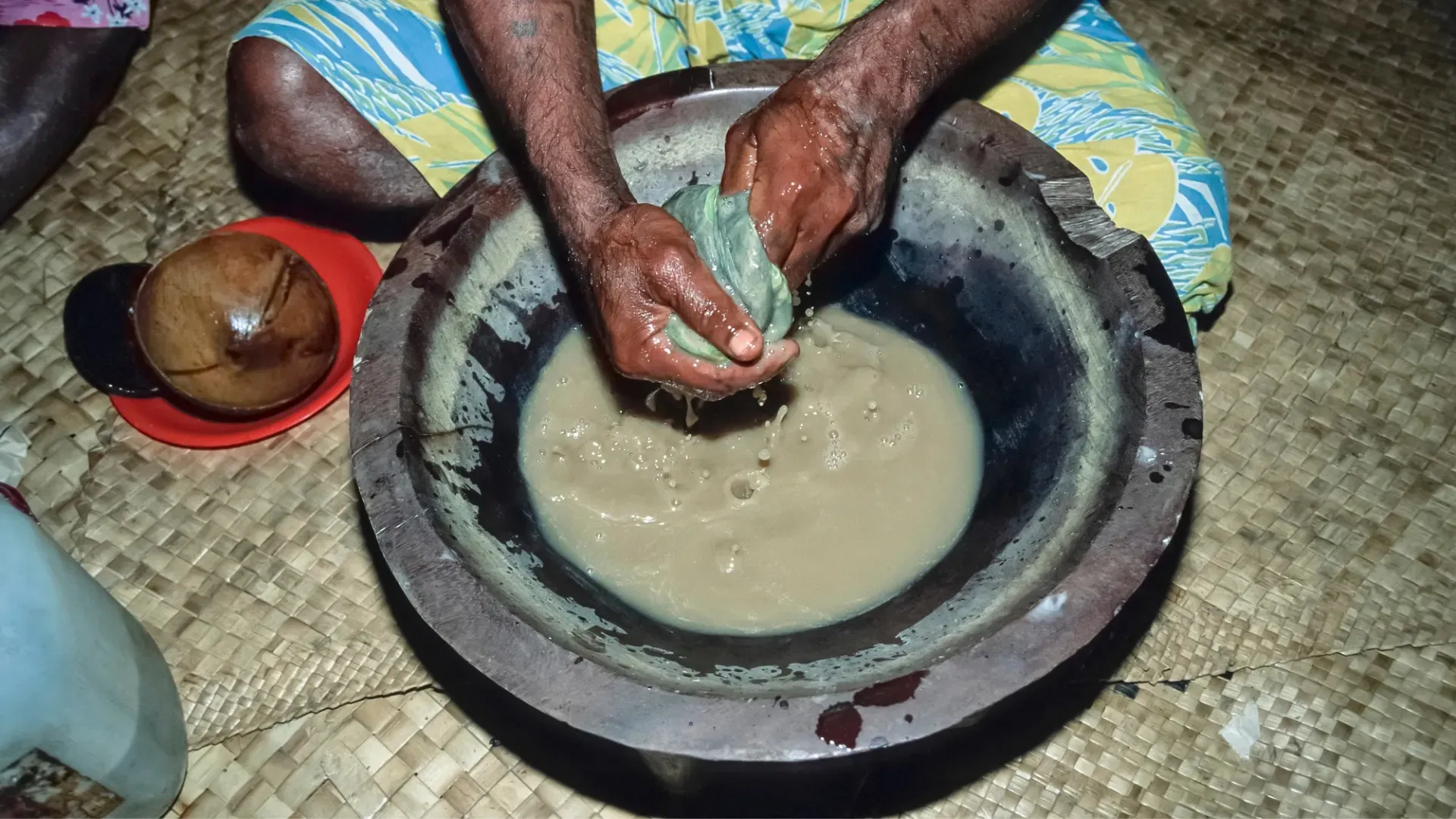
Kava remains at the centre of this transformation. Deeply embedded in Fijian culture and community life, yaqona has traditionally been consumed as a social and ceremonial beverage. It is now also becoming an increasingly important commercial product. Fiji’s agricultural export figures underline its importance. Fresh and frozen agricultural exports, excluding sugar, reached FJD187.2 million in 2025, the highest level recorded since 2013. Kava alone generated FJD79.1 million, representing 42.3 per cent of those agricultural export earnings. The figures indicate that kava is no longer simply a traditional crop; it is a significant part of Fiji’s agricultural export economy.
The opportunity is becoming more visible in international trade. Pacific Trade Invest reported that imported more than 51 tonnes of Pacific kava during the second quarter of 2026, an increase of 18.9 per cent from the previous quarter and 22.7 per cent compared with the same quarter of 2025. Fiji recorded its strongest quarter on record during the period. For Fijian companies, however, the opportunity extends beyond exporting kava powder. The emerging strategy is to create products that carry a recognisable brand, convenient format and stronger consumer proposition.
One example is Kavalicious Fiji, a business established in 2021 that is developing packaged kava products and kava cookies. In September 2026, the company said it was seeking to increase production and develop its export presence, with stronger supply chains, market access and partnerships forming part of its growth ambitions. The company already has products available through established retailers including Prouds Duty Free and Jacks of Fiji, giving it exposure to both domestic consumers and international visitors. Its development illustrates a broader commercial idea: Fiji’s traditional resources can become the foundation for modern consumer brands rather than remaining solely agricultural commodities.
Another example is Heritage Kava, founded by third-generation kava farmer Sowani Saunitoga on Ovalau. The business is working to connect farmers with reliable markets while developing international opportunities for Fijian kava. In 2026, Heritage Kava participated in Fine Food Australia with Pacific Trade Invest, giving the company an opportunity to present Fijian kava to an international trade audience. These businesses highlight an important change in Fiji’s export model. The product is no longer simply the commodity itself. Its provenance, farming community, cultural identity, packaging and quality become part of what the customer is buying.
The same principle is appearing in Fiji’s coconut industry. Coconut has traditionally supported farmers through products such as copra and coconut oil, but businesses are increasingly exploring higher-value applications. Fiji Coconut Millers, for example, has diversified into value-added products including scented oils and soaps. In February 2026, the Fijian Government highlighted the company’s efforts to expand its product portfolio while strengthening engagement with coconut farmers across several provinces and island groups.
The government has also encouraged further diversification, improved operational efficiency, new markets and greater utilisation of local by-products. The objective is to develop coconut processing into a more commercially sustainable industry rather than relying primarily on lower-value commodity sales.
The potential is significant. A bottle of refined coconut oil, a branded personal-care product or a finished soap can capture considerably more of the value chain than an unprocessed agricultural input. For Fiji, that means more opportunities to retain economic activity in processing, packaging, distribution and marketing.
Kava is attracting much of the attention, but Fiji’s value-added export movement is broader. Cocoa is another product beginning to develop an international profile. Investment Fiji reported in July 2026 that Cacao Fiji had shipped its first metric tonne of cocoa beans to the United States, alongside 400 kilograms to Canada, while preparing an export to Australia. Honey, ginger, noni, coconut products, fruit preparations and other agricultural products are also represented within Fiji’s Fijian Made campaign. The government-backed initiative is designed to establish a recognisable Fijian brand and promote locally produced goods both domestically and overseas.
Its registered product base includes powdered kava, honey, cocoa, ginger products, noni juice and soap, virgin coconut oil, coconut products, fruit beverages, jams and other agricultural goods. This breadth suggests that Fiji’s export ambitions are not confined to one traditional product but are gradually developing into a wider ecosystem of locally branded goods.
Creating an international brand from a traditional product is not simply a matter of attractive packaging. Exporters must satisfy biosecurity, certification, market-entry and product-quality requirements that vary between destinations. For commercial kava exports, Fiji requires exporters to operate from Biosecurity Approved Premises, obtain the necessary export licence and undergo inspection before a phytosanitary certificate is issued. Exporters must also provide information about the origin and quantity of kava within consignments. Different destination markets impose additional requirements.
These regulations create challenges, but they can also encourage professionalisation. Businesses seeking international distribution have to develop stronger quality control, traceability, packaging and documentation systems. That process can help transform small producers into more structured export businesses. The Fijian Government has also been working with international organisations to strengthen export readiness among local enterprises. Collaboration with the International Trade Centre has focused on areas including packaging, branding, market access, post-harvest processing and product certification, particularly across sectors such as kava, coconut and vanilla.
Australia is emerging as an especially relevant market for Fiji’s value-added ambitions because of its geographic proximity and established Pacific trade connections. The growth of Pacific kava imports into Australia during 2026 provides evidence of expanding commercial demand. Fiji’s record quarter within that market gives exporters a platform from which to develop broader consumer and retail opportunities.
At the same time, Fiji’s participation in regional trade arrangements provides another potential route towards diversification. In January 2026, the EU-Pacific Interim Economic Partnership Agreement Trade Committee discussed agricultural value chains, diversification, geographical indications, organic farming and investment facilitation. The meeting also recognised the Regional Kava Development Strategy and the importance of value-added export opportunities.
-2.webp&w=3840&q=75)