
Beijing Turns Inwards: How China’s Fuel Export Curbs Could Reshape Asia’s Energy Map

China’s decision to tighten its refined-fuel exports has arrived at an unusually sensitive moment for global energy markets. In October 2026, Chinese refiners reportedly suspended exports of oil products to destinations beyond Hong Kong and Macau, leaving the timing of any wider resumption uncertain. The move comes as Beijing prioritises domestic fuel security amid continuing disruption to international oil flows.
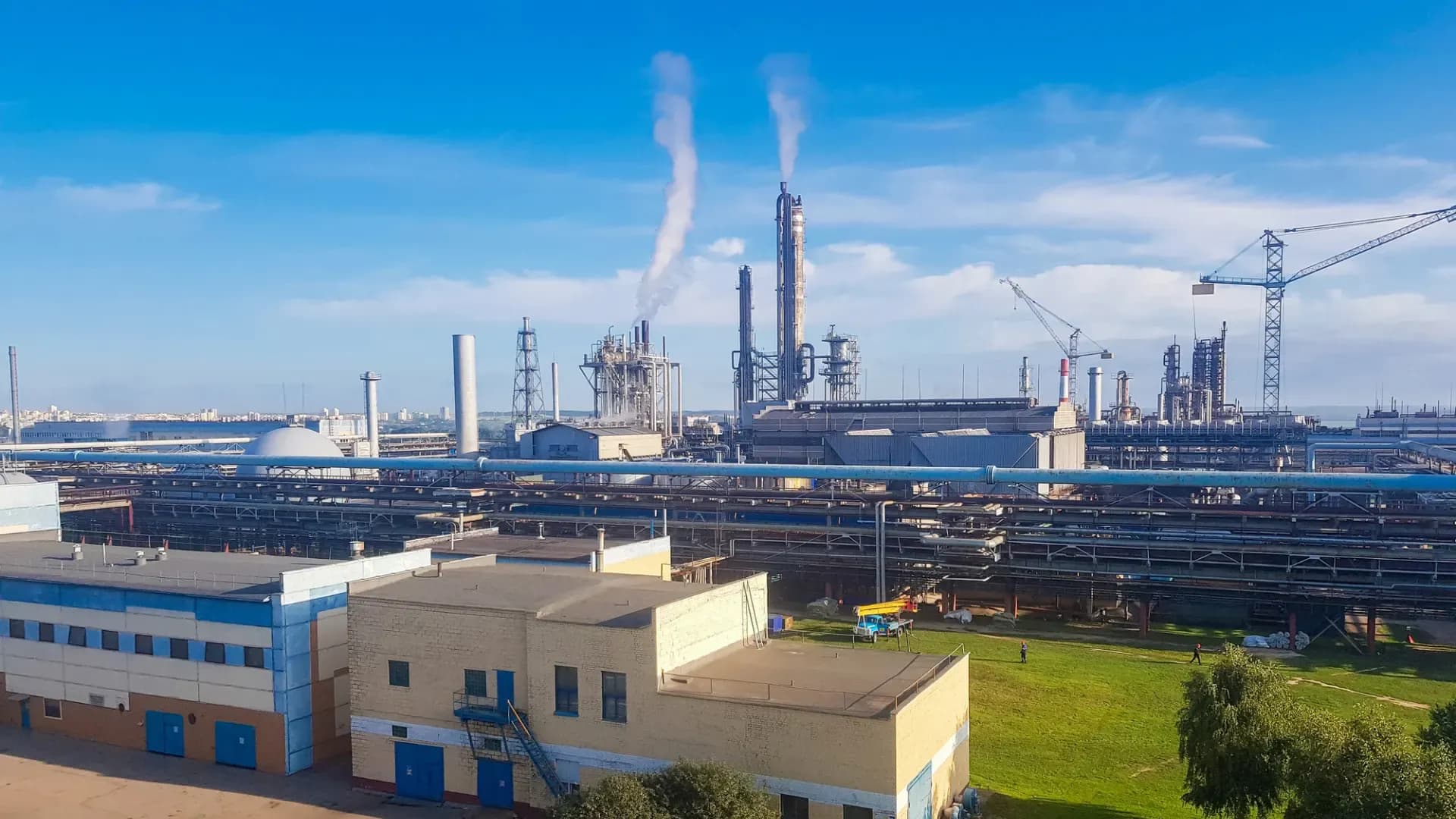
For Asia, the significance extends well beyond China’s borders. The country has one of the world’s largest refining systems and has historically acted as an important source of diesel, gasoline and jet fuel for neighbouring economies. Removing even part of that supply from international markets could push buyers towards alternative suppliers, increase competition for available cargoes and reinforce already elevated refining margins across the region.
China’s fuel-export policy has already moved through several stages this year. Beijing tightened refined-product exports in March as the conflict involving Iran disrupted Middle Eastern crude and fuel flows. Restrictions were subsequently eased during the summer, with refiners receiving additional opportunities to export gasoline, diesel and jet fuel. In July, China lifted restrictions for part of the month, while August also saw additional export allowances.
The latest development represents a renewed tightening rather than an entirely new direction. Reuters reported on 1 October that Chinese refiners had been instructed to suspend exports beyond Hong Kong and Macau, while PetroChina cancelled some previously planned October gasoline and jet-fuel cargoes. Whether exports would resume after China’s Golden Week holiday was still unclear. The distinction is important. China is not short of refining capacity. Its challenge is balancing that enormous industrial capability against domestic stock requirements and uncertain access to crude. The country had around 19 million barrels per day of refinery capacity in 2024, according to the US Energy Information Administration, making its decisions particularly influential for regional product balances.
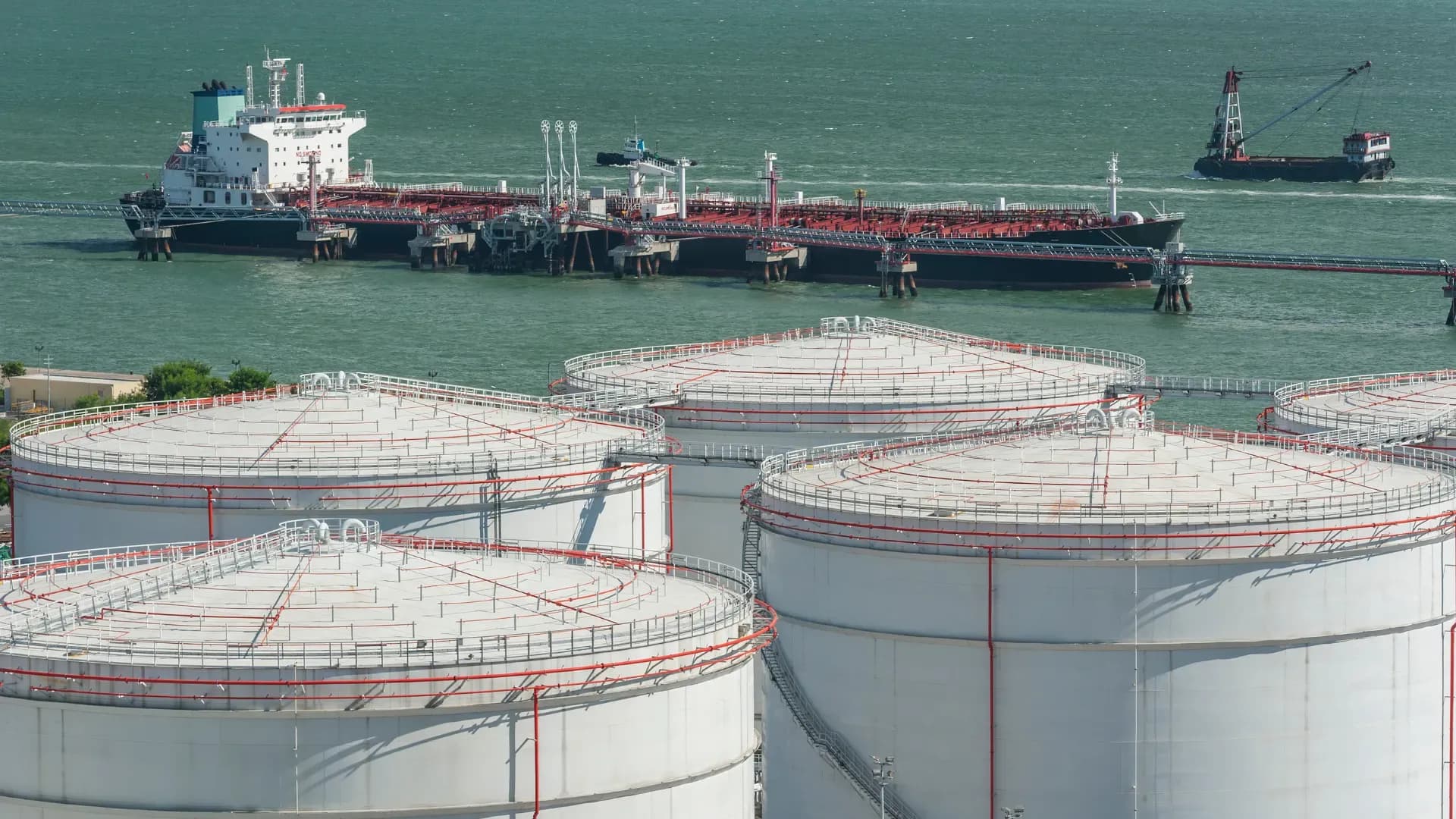
The immediate concern is not simply how much fuel China exports, but where those barrels normally go. Singapore, Australia, Malaysia, Vietnam, Bangladesh and the Philippines have been among destinations for Chinese refined products. September trade data indicated that these markets were still important outlets for Chinese fuel. Singapore is particularly significant because of its role as both a major consumer and the region’s leading oil-trading hub. Any reduction in Chinese supply forces traders to search for replacement cargoes, potentially drawing fuel from South Korea, India, the Middle East and other Asian refining centres.
The impact is already visible in market pricing. Asian diesel refining margins climbed to around $75 a barrel after news of the suspension, while short-term price spreads strengthened as traders anticipated tighter availability. Asian gasoline refining margins also surged, with Reuters reporting that margins moved above $50 a barrel over Brent crude. That does not necessarily mean Asia is heading towards an outright fuel shortage. Rather, the market is becoming more expensive and less comfortable. Buyers that previously relied on predictable Chinese cargoes may now have to compete more aggressively for alternatives.
Among the various refined products, diesel appears particularly vulnerable. Industrial activity, road transport, construction, agriculture and logistics across emerging Asian economies depend heavily on middle distillates. Yet diesel markets were already under pressure before Beijing’s latest decision. The International Energy Agency has highlighted severe constraints in refined-product markets following disruptions to Middle Eastern supplies and damage to Russian refining infrastructure. It noted that diesel markets were experiencing tighter conditions and higher prices, while global refinery throughput remained substantially below previous-year levels.
China’s withdrawal therefore removes another important source of flexibility. Michal Meidan of the Oxford Institute for Energy Studies told Reuters that although Chinese refiners theoretically have the ability to increase runs and exports, Beijing is prioritising domestic stocks over attractive international margins. For lower-income fuel-importing economies, that distinction matters greatly. They may still be able to secure replacement barrels, but at significantly higher prices.
One of the most important consequences could be a change in the balance of influence between Asia’s major refining powers. India already exports substantial volumes of diesel, gasoline and jet fuel. Reuters estimates that Indian exports of these three products reached approximately 47 million tonnes in 2025, compared with about 25.4 million tonnes for China. However, Indian exports fell sharply during the first nine months of 2026 amid crude-supply disruptions and domestic policy measures.
That situation may now be changing. Middle Eastern crude deliveries to India recovered strongly in September, reaching their highest monthly level since February, while reductions in fuel-export taxes have improved the economics of overseas shipments.
This could give Indian refiners an unusual strategic opportunity. If Chinese exports remain restricted, Indian companies could redirect additional diesel and other refined products towards Singapore, Australia, Indonesia, Vietnam and the Philippines. India would not completely replace China overnight. Shipping distances, refinery configurations, domestic demand and crude availability all impose limits. Nevertheless, the current disruption could accelerate India's emergence as a more important balancing supplier for Asian fuel markets.
South Korea is another potential beneficiary. Its highly export-oriented refining industry is well connected to Asian markets and could increase spot supplies where commercially attractive. Analysts have already suggested that Korean refiners could help cover part of the Chinese shortfall, although existing term commitments may limit how much additional fuel can be released immediately. Singapore, meanwhile, could benefit from increased trading activity even while facing higher import costs. Its sophisticated refining, storage, shipping and financial infrastructure makes it one of Asia’s most important locations for redistributing refined products.
The resulting market could therefore become more competitive rather than simply smaller. Cargoes may travel longer distances, traders may seek new arbitrage opportunities and refiners outside China could enjoy stronger margins. Behind Beijing’s decision lies a larger question of energy security. China has increasingly demonstrated that its enormous refining capacity does not automatically translate into guaranteed exports. Domestic inventories and national security considerations can take precedence when international energy flows become uncertain.
That message is particularly relevant after months of disruption surrounding the Strait of Hormuz. Although crude flows from the Middle East have partially recovered, refined-product markets remain under considerable pressure. The IEA said in early October that refined-product flows were still severely constrained and that the effects of the crisis remained acute, particularly for diesel. For Asian governments, the lesson is becoming clearer: dependence on a single major supplier can create vulnerability even when that supplier possesses enormous production capacity.
The IEA has separately warned that Southeast Asia’s growing reliance on imported fuels is increasing exposure to market disruptions and volatile prices, strengthening the case for greater diversification and regional energy cooperation. The most important question now is duration. If China resumes exports after domestic inventories recover, the immediate market shock could gradually fade. Additional production from India, South Korea and other regional refiners could also limit the impact.
However, repeated episodes of Chinese export restrictions could change how Asian energy companies manage supply risk. Importers may begin maintaining larger inventories, signing longer-term contracts with alternative suppliers and developing more diversified procurement strategies.