
Vietnam's Banks Turn to Investors as Rapid Growth Strains Funding
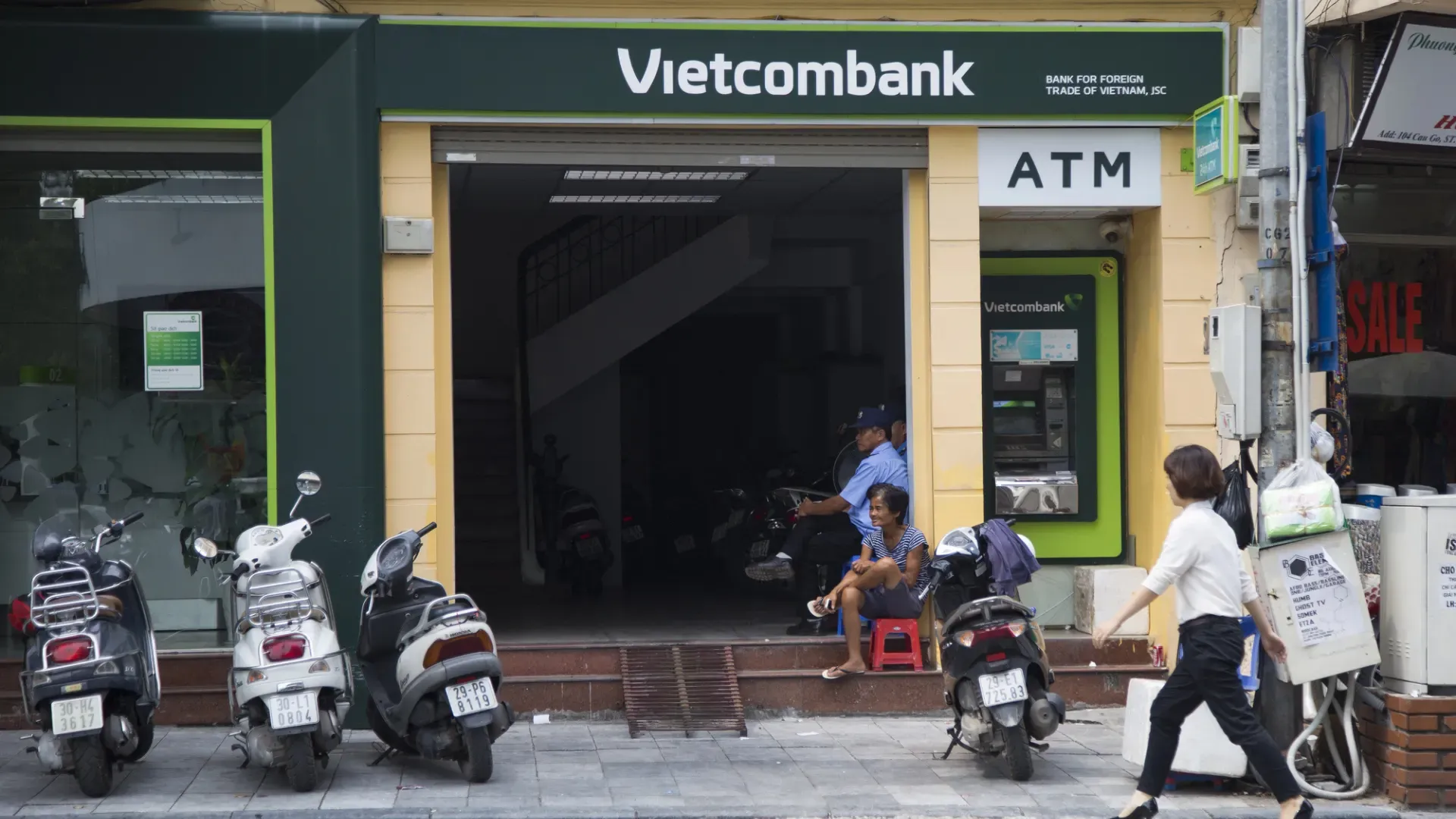

Vietnamese banks are seeking almost $7 billion in new equity to strengthen their finances and keep up with the rising demand for loans and the country’s economy grows.
The offering could emerge as the largest series of capital-raising deals by Vietnamese banks ever. The estimate is based on calculations by renowned news sources using company announcements and a report from Fitch Ratings.
The deals could also give foreign finance companies a greater opportunity to expand their presence in Vietnam.
The move comes amid strong economic growth in Vietnam, with the nation posting third-quarter GDP growth of 9.95%.
Lending is growing faster than funding
The capital push stems from an underlying issue that Vietnamese banks are currently facing.
The demand for loans is increasing rapidly; however, deposit financing is having a hard time catching up.
Loan data involving 30 banks within Vietnam showed loan levels of about $647.5 billion at the end of June, while the deposit figures stood at about $608.7 billion. This also implies a difference of about $38.7 billion.
The largest gap was seen in VPBank, where loans were larger than deposits by about $11.7 billion.
This is pushing the banks to seek more long-term capital, whereby share sales would increase the capital position of the bank, while borrowings from overseas could fund their lending activities.
There is also an urgent need for this since Vietnam is pursuing infrastructure investments and rapid economic growth.
Foreign investors find a wider door
Foreign investors have had very tight restrictions imposed on them in Vietnam's banking sector.
The total foreign ownership limit has remained at 30%, while individual investors have generally been capped at owning 20%.
Now, there has been a relaxation of some of these restrictions.
There are three banks that have been allowed to have their foreign ownership limit increased to 49%. Moreover, Vietnam has increased its foreign borrowing limit by 11% to $6.1 billion.
This is part of the country's attempts to get more international capital as domestic financing becomes increasingly difficult.
The recent classification of Vietnam into the Secondary Emerging Market of FTSE Russell is yet another avenue for attracting foreign capital. This classification was made effective from September 21 after Vietnam made changes to its market access, trading and settlement.
A report published on October 7 in some well-known news sources noted that the reclassification could open doors to international equity investors. In addition, it mentioned that new channels for municipal and project bonds would be opened, which would eventually help finance infrastructure projects.
Japan's banks also are among the key investors
Several major transactions show how foreign lenders are positioning themselves.
Japan's Sumitomo Mitsui Banking Corp is in talks to increase its stake in VPBank to 20% from 15%. VPBank is seeking around $560 million through a private placement.
Vietcombank, Vietnam's largest lender, plans to sell 6.5% of its shares by the end of this year. At current market prices, the transaction would be worth around $1.2 billion.
Japan's Mizuho Bank currently holds a 15% stake in Vietcombank. It "may potentially increase its holding", according to minutes from a Vietcombank shareholder meeting.
BIDV, the country's second-largest lender, sold roughly 3% of its shares in March. It plans to sell almost another 11% by the end of next year, with the combined sales expected to be worth about $1.4 billion.
HDBank plans to sell a 10.7% stake, while Techcombank has also discussed a possible stake sale to foreign banks.
Capital must keep pace with credit
The fundraising is not only about attracting overseas investors.
Vietnamese banks are also preparing for the transition towards Basel III, which requires stronger capital and risk-management frameworks.
That creates a difficult balance. Banks need more capital to support lending, but rapid lending can quickly consume newly raised funds.
Fitch has warned that new capital could be absorbed quickly if banks continue expanding their loan books at a rapid pace. Real estate lending is an additional concern because of the sector's importance to bank balance sheets.
A test for Vietnam's growth model
The nearly $7 billion equity pipeline therefore represents more than a collection of individual transactions.
It shows how Vietnam is trying to broaden the sources of capital available to its financial system.
Foreign equity, offshore borrowing and deeper capital markets can reduce some of the pressure on domestic funding. But they do not remove the risks created by rapid credit expansion.
For investors, Vietnam offers exposure to one of Asia's fastest-growing economies.
For its banks, the challenge is more immediate: raise enough capital to finance that growth without allowing lending and financial risks to outpace the strength of their balance sheets.