
China’s Clean Power Shift: Can It Move Beyond Coal by 2030?

China is approaching a defining moment in its energy transition. As the world's largest electricity market and one of its biggest carbon emitters, the country's decisions on renewable energy, coal consumption and power infrastructure will have consequences far beyond its borders. With 2030 approaching, Beijing is pursuing an ambitious transformation of its electricity system, aiming to make non-fossil energy sources responsible for half of the country's total power generation. The objective is not simply to install more solar panels and wind turbines, but to reshape the foundations of an energy-intensive economy that has relied heavily on coal for decades.
The ambition comes at a time when China's industrial expansion, growing electricity demand, electric vehicle manufacturing and digital infrastructure are placing unprecedented demands on its power network. The challenge is therefore twofold: expand clean electricity at an extraordinary scale while maintaining the reliability and affordability required by the world's second-largest economy. Whether China can achieve this balance could determine the pace of the global energy transition over the remainder of the decade.
In June 2026, China's National Development and Reform Commission and National Energy Administration outlined a major energy development strategy for the 15th Five-Year Plan period, covering 2026 to 2030. The roadmap seeks to establish a cleaner, more secure and technologically advanced energy system by the end of the decade. One of its most significant objectives is to increase non-fossil energy's contribution to approximately 50 per cent of total electricity generation by 2030. The government also intends to ensure that non-fossil sources account for 25 per cent of overall energy consumption, while wind and solar together represent more than half of the country's installed electricity generation capacity.
The strategy further envisages total national energy production capacity reaching 5.8 billion tonnes of standard coal equivalent by 2030. Alongside these objectives, China is pursuing its long-standing commitment to peak carbon dioxide emissions before 2030 and achieve carbon neutrality before 2060. These targets represent more than environmental commitments. They reflect Beijing's ambition to strengthen domestic energy security, reduce exposure to imported fossil fuels, accelerate technological independence and establish China as a leading force in the global clean energy economy.
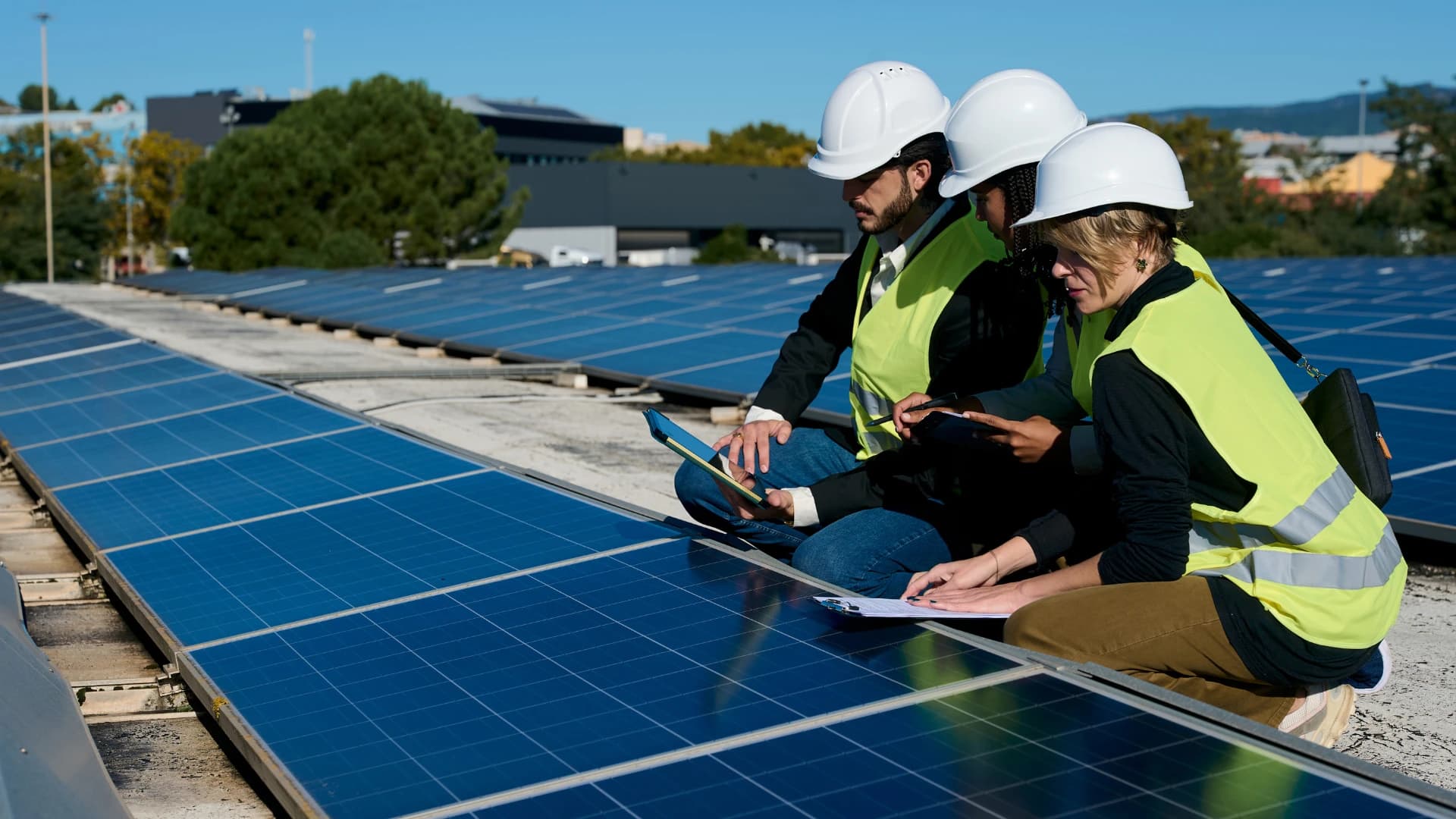
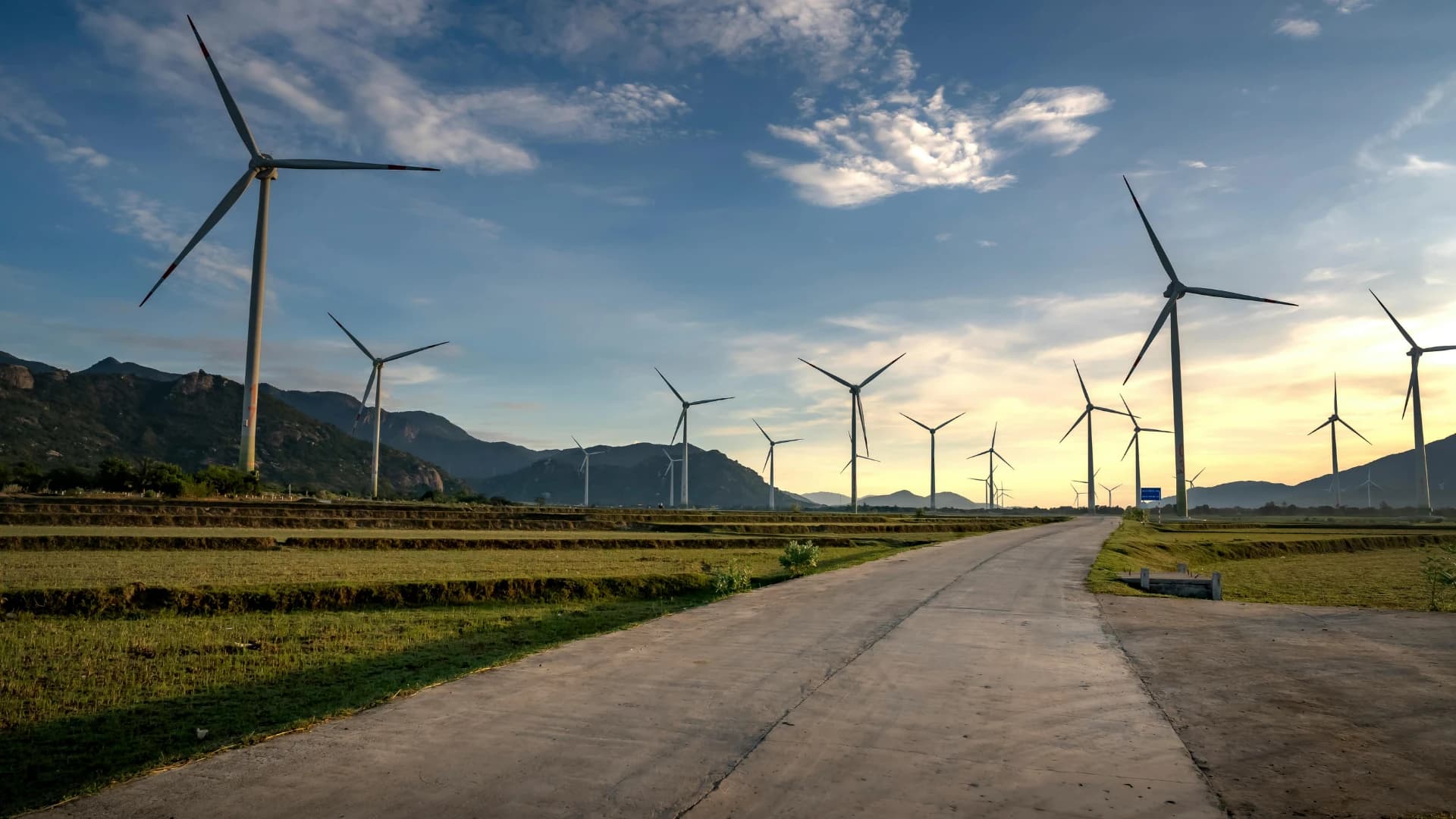
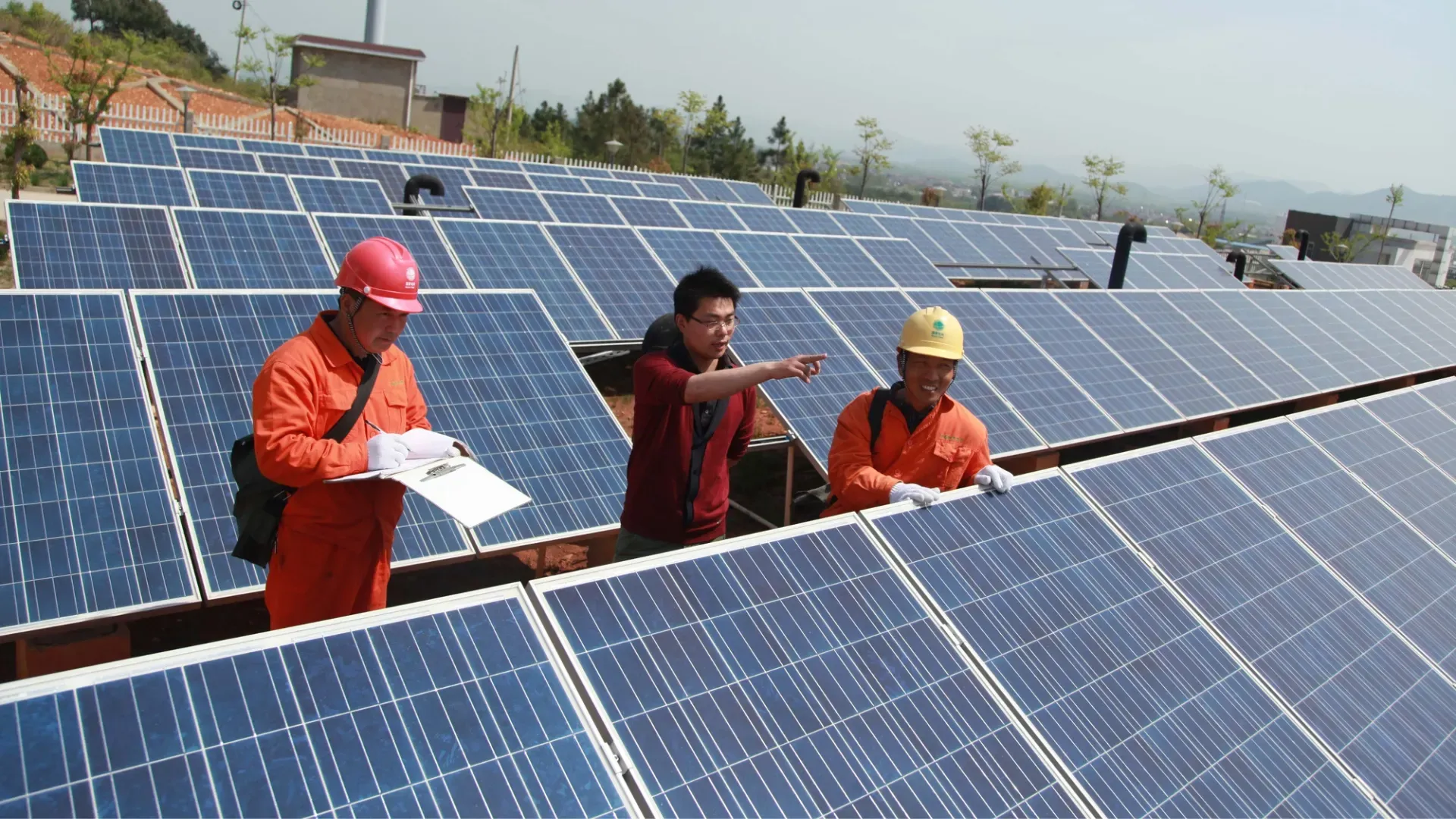
China's clean energy transformation is already supported by an enormous expansion of renewable infrastructure. The country has invested heavily in solar parks, offshore wind installations, hydropower facilities and electricity transmission networks, establishing an industrial ecosystem that extends from equipment manufacturing to large-scale project development. According to China's renewable energy development plan published in July 2026, the country aims to reach approximately 3.5 billion kilowatts of installed renewable electricity generation capacity by 2030. Annual renewable electricity generation is projected to reach around 6 trillion kilowatt-hours, with combined wind and solar capacity expected to exceed 2.8 billion kilowatts.
The scale of these ambitions is particularly significant for the solar and wind industries. Their combined annual electricity generation is expected to surpass 4 trillion kilowatt-hours, potentially making them the central drivers of China's changing electricity mix. Progress is already visible. By the end of June 2026, China's combined installed wind and solar capacity had reached approximately 1.95 billion kilowatts, representing an increase of 16.8 per cent compared with the previous year. Renewable electricity generation approached 2 trillion kilowatt-hours during the first half of 2026, accounting for 41.2 per cent of national electricity output.
Solar energy has also reached a historic milestone. By the end of July 2026, installed solar capacity had surpassed coal-fired power capacity for the first time, making it China's largest individual electricity generation source by installed capacity. However, installed capacity and actual electricity production are not interchangeable. Solar and wind generation depend on weather conditions, geographical availability and the ability of the national grid to transport electricity from production centres to consumers. Consequently, China's next challenge will be ensuring that its rapidly expanding renewable infrastructure translates into consistently delivered electricity.
Despite its renewable energy achievements, China's transition remains closely tied to coal. For decades, coal-fired power stations have supported industrial manufacturing, heavy infrastructure, urban development and the country's expanding electricity requirements. Replacing this established system cannot happen overnight. Nevertheless, the changing electricity mix suggests that the balance is beginning to shift. During the first half of 2026, coal-fired generation accounted for 49.7 per cent of China's total electricity output, falling below the 50 per cent threshold for the first time. This represented an important milestone for a country whose industrial development has historically depended on coal.
Yet the decline in coal's relative contribution does not necessarily mean that its overall consumption is falling at the same pace. China's electricity demand continues to expand, meaning that fossil fuel generation could remain substantial even as renewable energy increases its market share.
Indeed, an assessment published by the Centre for Research on Energy and Clean Air in August 2026 highlighted a major contradiction. China commissioned approximately 30 gigawatts of new coal-fired power capacity during the first half of the year, while retiring only 2.7 gigawatts. The report also identified growing renewable electricity curtailment, suggesting that additional coal capacity and existing contractual arrangements could restrict the integration of cleaner electricity.
This raises an important question about the country's long-term strategy: will coal gradually become a flexible backup resource, operating when renewable generation is insufficient, or will new investments prolong its position as a major electricity supplier? The distinction will be critical. China's 2030 clean power ambitions will become considerably more meaningful if renewable generation actively replaces coal-fired electricity rather than simply accommodating growing demand alongside it.
One of the biggest obstacles to China's clean energy ambitions is not necessarily the availability of renewable resources, but the infrastructure required to manage them. Solar and wind farms frequently generate electricity in regions far removed from the country's largest industrial and urban centres. Without sufficient transmission capacity, storage facilities and flexible electricity markets, substantial quantities of renewable power can remain unused.