

Coca-Cola’s Overseas Sales Boost Profit Outlook Amid Mounting Cost Pressures
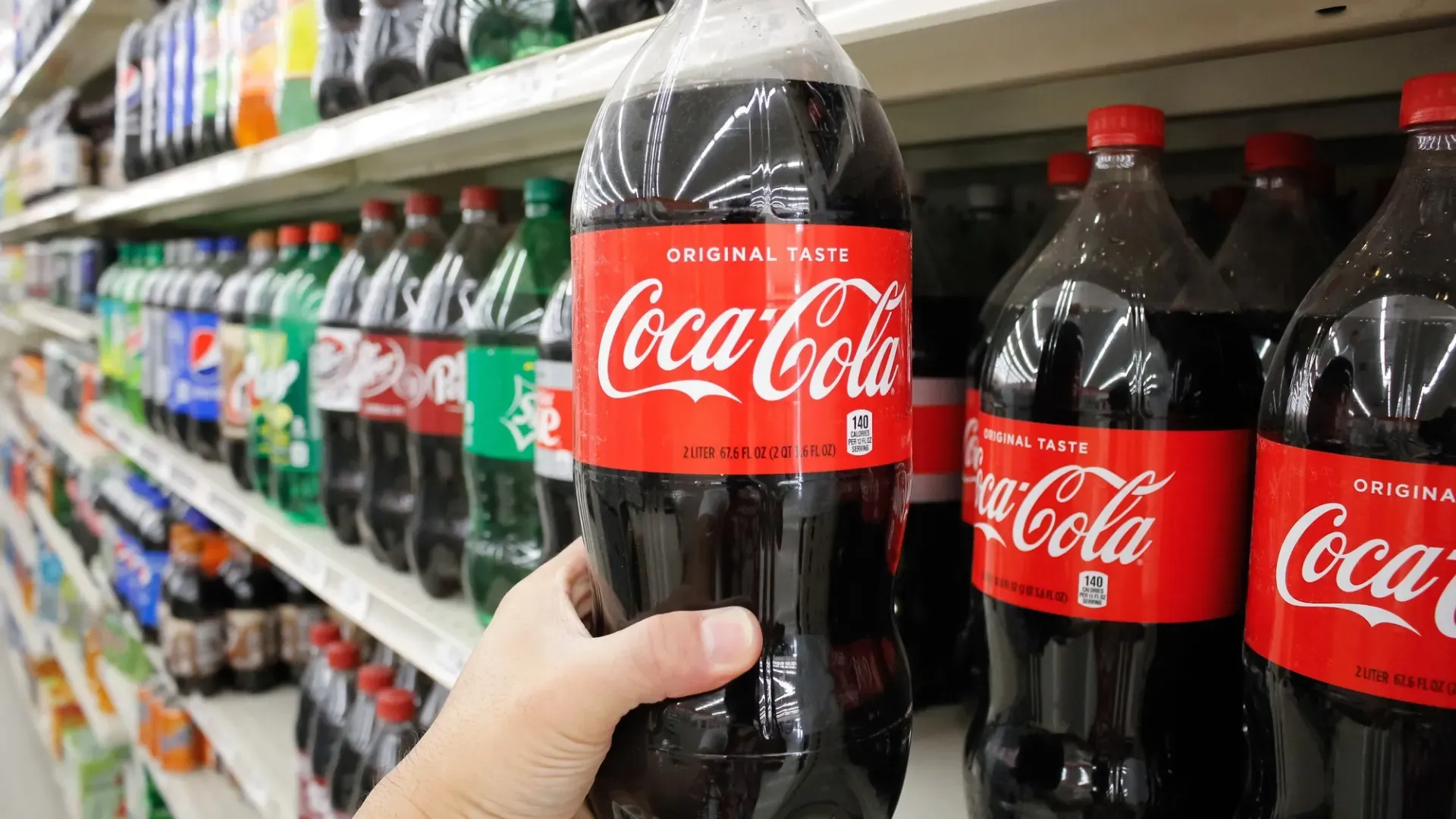

Coca-Cola has raised its 2026 profit forecast after stronger international sales and better-than-expected third-quarter results. Higher demand for zero-sugar drinks and growth in key overseas markets have supported its performance. However, rising packaging and transport costs could squeeze margins. The company also faces the challenge of keeping its products affordable as household budgets remain tight heading into 2027.
The Atlanta-based company raised its forecast on Tuesday, 27 October, after its third-quarter results exceeded analysts’ expectations. It now expects comparable currency-neutral earnings per share, excluding acquisitions and divestitures, to grow by at least 9% in 2026, up from its previous forecast of 7% to 8%. It also expects comparable earnings per share to grow by at least 11% for the full year.
Chief Executive Officer Henrique Braun said: “Our results this quarter demonstrate our system’s sustained momentum, giving us confidence in our updated full year guidance,”
He added, “By staying close to consumers and executing with agility across our global system, we are delivering quality growth while continuing to invest in the capabilities, brands and people that will fuel our future.”
Coca-Cola's third-quarter performance shows the importance of international markets amid uneven consumer spending. Global unit case volume grew by 5% due to volume gains in India, China, Mexico, and Brazil. Volume growth was recorded in Asia Pacific and Latin America at 6% each, while North America saw no change.
This performance also indicates the firm's shifting growth mix. The volume of sparkling soft drinks was up 5% globally. Coca-Cola Zero Sugar volumes grew 16%, while Diet Coke and Coca-Cola Light were up 6%. Water volumes grew 8%.
The above figures seem to indicate that Coca-Cola has been able to capitalize on both brand presence and shifts in consumer tastes. The zero sugar range provides an option to the conventional soft drink range, and local tastes along with low packaging costs have helped in targeting consumers.
In India, the market’s role seems to be particularly significant in relation to the international expansion of the company. The demand in the developing world could help in providing additional volumes for the company, although this varies based on region and product.
Revenue for the quarter ended 2 October reached $13.38 billion, up 7.4% year on year and above analysts’ estimate of $12.92 billion. Comparable earnings rose 11% to $0.91 per share, exceeding the forecast of $0.88. Reported earnings per share increased 8% to $0.93.
Distinguishing between volume and price growth is important. The global case volume grew by 5%, with pricing and product mix contributing an increase of 1%.
Coca-Cola’s operating margin also improved to 33.4%, from 32% a year earlier. However, its comparable operating margin rose to 32.9% from 31.9%, reflecting a measure that adjusts for certain items. Higher marketing expenditure and operating costs partly offset revenue gains.
Although the results are impressive, the firm experiences an increase in costs for metals, particularly aluminum, PET plastics, packaging, freight and transportation costs due to rising commodity prices related to the war in Iran involving the US. Rising diesel prices also mean higher transport costs in the industry.
Thus, Coca Cola needs to achieve a fine balance between making affordable products that yield profits. This can be done through small-size affordable pack sizes as well as by offering premium products such as fairlife milk and new beverages.
Chief Financial Officer John Murphy warned that consumer pressure could persist. He said: “While our own business continues to have a lot of momentum. I think the underlying pressure across the consumer landscape is there, and I think it will be there for the rest of the year as we go into 2027,”
The warning highlights a wider challenge for consumer goods companies. Higher food and fuel costs can restrict discretionary spending, even when demand for everyday products remains relatively stable.
Coca-Cola’s performance also contrasts with weakness in parts of rival PepsiCo’s US business. Analysts see sustained volume growth as an advantage while consumers remain cautious about price increases. Jefferies analyst Kaumil Gajrawala said: “The gap between Coke and peers is widening. As the market debates price increases, those delivering volume growth should outperform,”
Coca-Cola’s improved forecast reflects confidence in its international business and product portfolio. Yet that growth will depend on whether higher volumes can keep offsetting rising costs without making its drinks less affordable.
For now, stronger demand is supporting earnings, but cost control and consumer affordability remain central to Coca-Cola’s outlook for 2027.