

Wendy’s Receives $1.4 Billion Take-Private Offer From the Peltz’s Group
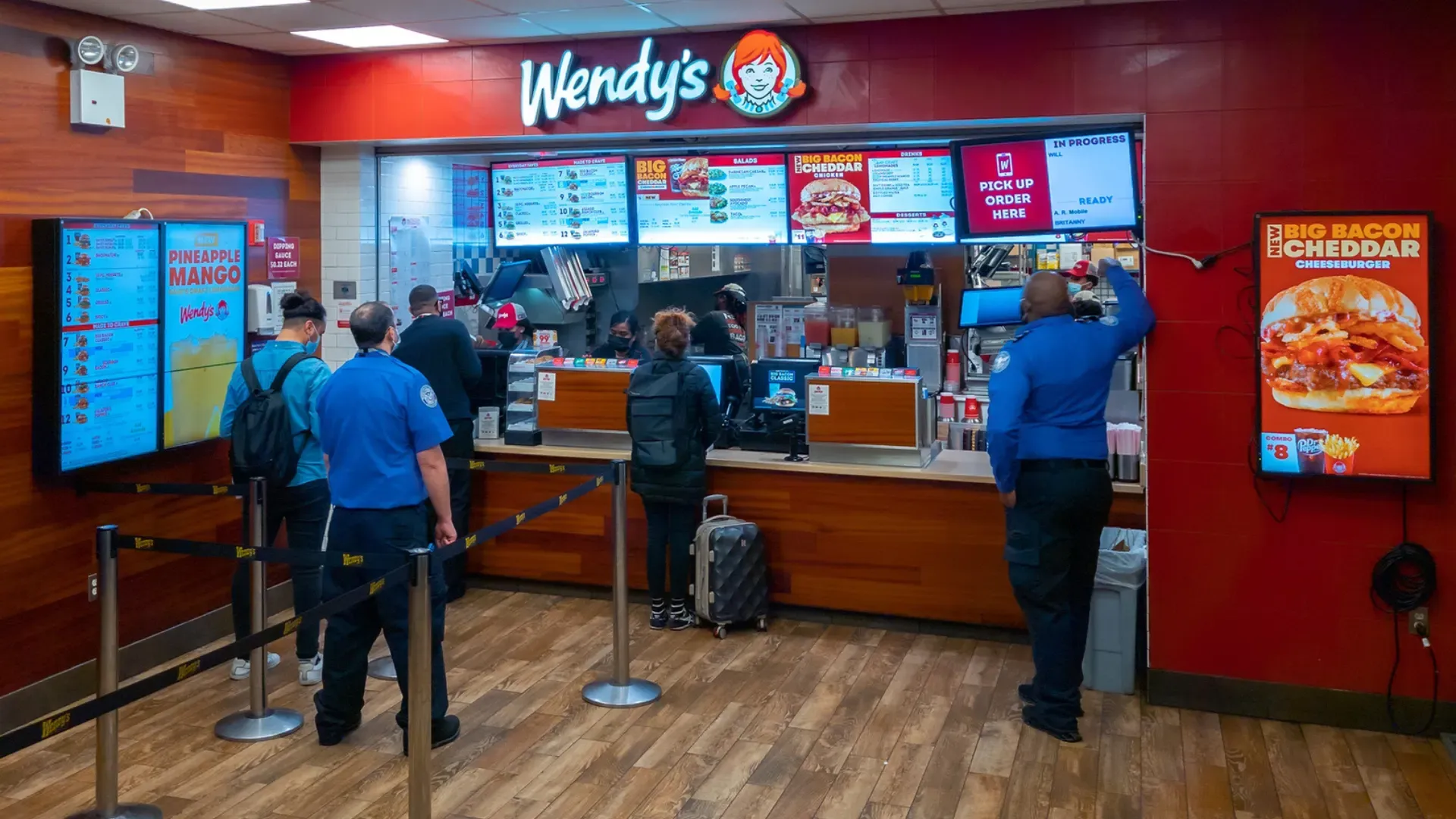

Nelson Peltz’s Trian Fund Management and its investment partners have made a $1.4 billion offer to take Wendy’s private. The group aims to gain greater flexibility to reverse the burger chain’s sales slowdown and strengthen its franchise operations.
The consortium has also proposed $7.35 per share in cash for shares it does not already own. The offer represents a premium of about 20% to Wendy’s closing share price on October 27. However, the proposal is non-binding, and the company has not committed to a transaction.
The bid puts Wendy’s turnaround back under scrutiny. The company is facing weaker restaurant traffic, pressure on household spending and rising operating costs. It must also persuade franchisees that investing in their restaurants can generate sustainable returns.
Trian, which holds a 16.3% stake in Wendy’s alongside related parties, is leading the consortium with restaurant operator Flynn Group and investment firms BlueFive Capital and Sixth Street Partners. If completed, the proposal would take the company private.
The investors argue that public-market pressure could complicate the operational changes Wendy’s needs. A privately held business could have more time to invest in its restaurants, improve customer value and strengthen franchisee economics without facing the same quarterly earnings scrutiny.
“We believe private ownership is the better path and provides the patient, long-duration capital needed to restore the business and the franchise system to a position of strength,” the investor group wrote to Wendy’s board.
The proposal comes as Wendy’s struggles to reverse a prolonged sales slowdown. The company withdrew its 2026 financial forecast in August after reporting weaker performance. Chief Executive Bob Wright acknowledged the gap between current results and the chain’s potential, saying, “We are not performing in our potential.”
For Wendy’s, the challenge extends beyond attracting customers with discounts. Lower prices can increase visits, but they can also pressure margins if food, labour and restaurant operating costs remain elevated. A sustainable recovery will require stronger traffic alongside better restaurant-level profitability.
The group’s letter also identifies the need for significant investment to reduce debt and execute the changes required to improve performance. Wendy’s reported approximately $2.4 billion in net debt as of June 28, making the balance between funding a turnaround and managing financial obligations a central consideration.
Flynn Group’s participation adds an operational dimension to the proposal. The company operates more than 340 Wendy’s restaurants and is also the chain’s master franchisee in Australia and New Zealand. Its involvement connects the acquisition proposal to the economics of running restaurants, rather than relying solely on financial restructuring.
Wendy’s franchise network matters because restaurant operators must fund staffing, equipment, maintenance, and local operations while meeting brand standards. If franchisees face weak sales or limited returns, they may have less capacity to invest in service, restaurant upgrades and customer experience.
The chain has identified menu quality, compelling value, marketing, operational execution and digital engagement as priorities under Wright. The company plans to outline more details of its strategy alongside its third-quarter results on November 5.
The offer also extends a nearly two-decade relationship between Peltz and Wendy’s. Trian has maintained a significant shareholding and board presence at the company. It considered taking Wendy’s private in 2022 but abandoned that plan in 2023. Takeover speculation resurfaced this year before the latest proposal was formally disclosed.
Wendy’s said an independent committee of directors, advised by Morgan Stanley and legal counsel Simpson Thacher & Bartlett, would evaluate the offer in line with its fiduciary duties and shareholders’ interests. The company cautioned that there was no assurance it would pursue the transaction or reach a definitive agreement.
The proposed price offers shareholders an immediate cash premium to the pre-announcement market price. Yet the wider question is whether the consortium can create more value through private ownership than Wendy’s could deliver as a listed company.
For now, the offer is a proposal, not a completed rescue. Its success will depend on financing, negotiations and the investors’ ability to demonstrate that fresh capital and a longer investment horizon can translate into stronger restaurant sales and healthier franchise operations.