

South Korea’s AI chip exports propel Q3 growth, but household spending lags

South Korea's economy posted better-than-expected growth in the third quarter of 2026, driven by strong overseas demand for AI semiconductors. Nonetheless, weak household spending highlighted the dichotomy between technology-driven economic growth and the monetary challenges facing the country’s citizens.
Economic growth stood at 1% in the July–September period, up from 0.6% in the previous quarter and above analysts’ expectations of 0.7%, according to estimates announced by the Bank of Korea (BOK) on 27 October. This was higher than the central bank's 0.3% growth forecast for the period.
On a year-over-year basis, GDP growth was 3.4% compared with the growth of 3.7% registered in the previous quarter. The latest data confirm the extent to which the investment cycle in AI across the world is boosting the export-based economy of South Korea.
Semiconductor demand reshapes the growth outlook
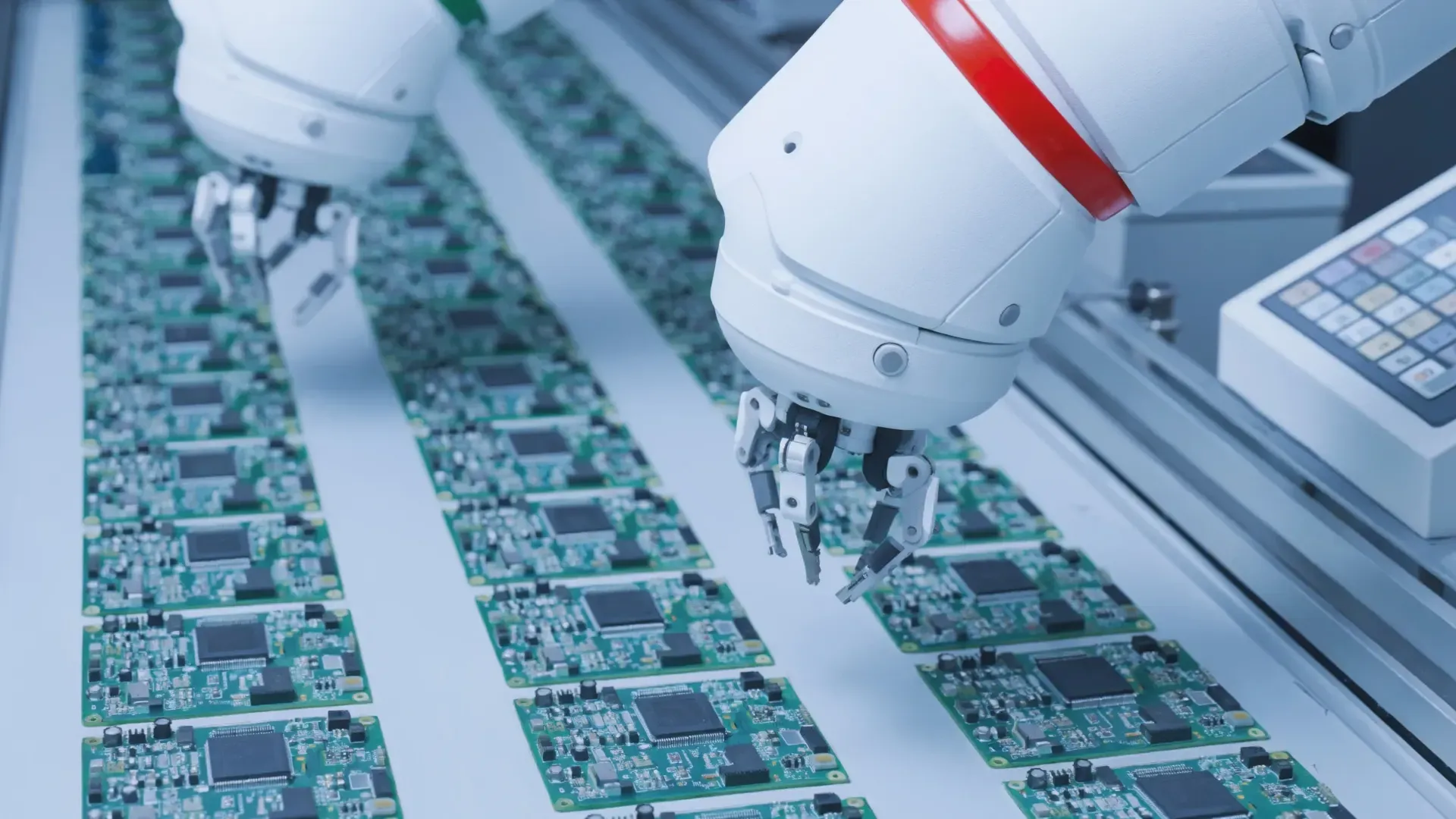
Semiconductors accounted for an estimated half of South Korea’s economic growth, highlighting the technology sector’s growing influence on the broader economy.
"It is estimated that about half of economic growth is being driven by semiconductors," Lee Dong-won, director general of the BOK's economic statistics department, told a briefing.
The AI infrastructure boom has increased demand for advanced chips and the equipment needed to manufacture them. South Korean producers are positioned to benefit from this spending through the country’s established semiconductor supply chain.
Exports rose 2.3% quarter-on-quarter, driven by semiconductors, machinery, and electrical equipment. The investment in facilities increased 4.1%, with the main contribution coming from machinery investment, especially semiconductor manufacturing machinery. There was also an increase in investments in intellectual property products, which amounted to 2.3% due to research and development and software.
These numbers suggest growth is not limited to finished goods but also extends to production capacity and technology investments.
Export record within reach as trade gains accelerate
Export performance is also reflected in the country’s export data. Export value has exceeded US$800 billion from January to September, surpassing its total exports for 2025. The country will be able to achieve US$1 trillion worth of exports for the first time, making it the fourth nation to reach this figure, after the United States, China, and Germany.
Achieving this goal would demonstrate the significance of semiconductors in its foreign trade. But increasing imports indicate that export manufacturing needs other materials as well. Third-quarter imports rose 2.4%, partly due to higher imports of crude oil and semiconductor manufacturing equipment.
Weak consumption remains a concern
Despite stronger industrial activity, private consumption declined 0.2% in the third quarter. It was the first contraction in nearly four years. Lower financial services activity amid a stock market decline and reduced car purchases during strikes at major automakers contributed to the fall.
Park Sang-hyun, an economist at iM Securities, said: "Exports and investments are leading growth, but the downside is that private consumption remains weak compared with the overall growth momentum."
He added: "There could be short-term boosts, but it is difficult to expect strong momentum given labour market conditions and restrictive interest rates."
The weakness matters because export earnings do not automatically translate into stronger household spending. Higher corporate investment can support future production, but employment conditions, borrowing costs and household income influence whether consumers increase purchases.
The BOK expects consumption to recover gradually. Lee said chip companies' fourth-quarter dividend payments and employee bonuses in early 2027 could support household income. He also expects semiconductor production volumes to expand next year, although chip prices may rise more slowly.
Central bank faces competing signals
This stronger GDP performance could prompt the BOK to revise its 3.3% GDP growth forecast made in August. The bank held the interest rate steady despite raising it in July and September. However, the bank has been cautious despite inflationary pressures and financial risks.
In addition, these latest data points can be used as a benchmark for future economic performance. If GDP in the fourth quarter is the same as in the third quarter, Reuters noted that annual GDP growth might stand at 3.7%. Such an outcome will be a marked improvement on the economy’s 1% growth in 2025.
Now, South Korea’s task is to turn its semiconductor boom into real economic growth. Continuous investments in AI can keep exports and factory spending buoyant. However, sustainable economic growth will depend on whether these benefits eventually trickle down to households.