
Germany’s Industrial Crossroads: Can Europe’s Manufacturing Powerhouse Rebuild Growth Without Sacrificing Jobs or Investment?

Germany’s manufacturing sector stands at a defining moment. Long regarded as the backbone of Europe’s industrial economy, the country must now confront a difficult combination of elevated energy costs, international competition, changing automotive technology and cautious corporate investment. Although signs of economic recovery are emerging, the central question is whether Germany can restore its industrial strength without forcing businesses to relocate production, reduce employment or abandon long-term investment plans.
The latest economic signals offer reasons for both optimism and concern. On 8 October 2026, the German government raised its economic growth forecast to 1.3 per cent for 2026 and 1.1 per cent for 2027. Yet the recovery remains fragile, with manufacturing employment still under pressure and industrial production experiencing considerable fluctuations. Germany’s challenge is no longer simply to restart growth, but to make that growth sustainable.
The latest industrial data illustrate the complexity of Germany’s recovery. According to the Federal Statistical Office, industrial production increased by 2.0 per cent in August 2026, following a difficult period marked by transport disruptions and uneven demand. However, new manufacturing orders fell by 10.6 per cent in August, suggesting that the improvement in production has not yet translated into a consistent flow of future business. The figures underline why a single month of stronger output cannot, on its own, establish that the industrial downturn has ended.
The wider economic outlook is similarly mixed. Germany’s autumn economic assessment points to a recovery that remains vulnerable to energy-price shocks, weak private consumption and subdued corporate investment. Government spending is expected to provide meaningful support, particularly through infrastructure modernisation and defence procurement. Nevertheless, public expenditure can only create a durable industrial revival if private businesses regain the confidence to invest in factories, equipment, research and skilled employees.
Germany’s industrial reputation was built on engineering excellence, reliable infrastructure, skilled workers and the ability to manufacture sophisticated products for international markets. Yet these advantages are increasingly being tested by the cost of operating within Europe’s largest economy. Energy-intensive industries, including chemicals, metals and other basic materials, are particularly exposed to volatile electricity and gas prices. These businesses often compete in international markets where customers can source comparable products from countries with different energy costs and regulatory environments. When production becomes more expensive, manufacturers face an uncomfortable choice: absorb lower margins, raise prices, improve productivity or move some operations elsewhere.
The pressure extends beyond energy. Labour costs, taxation, administrative complexity and lengthy approval processes can influence where companies choose to establish new facilities. Germany’s industrial competitiveness therefore depends on more than temporary subsidies or short-term relief measures. Businesses need predictable policies, efficient public administration and confidence that investments made today will remain commercially viable over the next decade. However, reducing operating costs should not become an excuse to weaken worker protections or undermine the foundations of Germany’s skilled manufacturing system. A more sustainable approach would combine lower administrative burdens with improved energy infrastructure, faster permitting, stronger vocational training and incentives for companies that invest in advanced production.
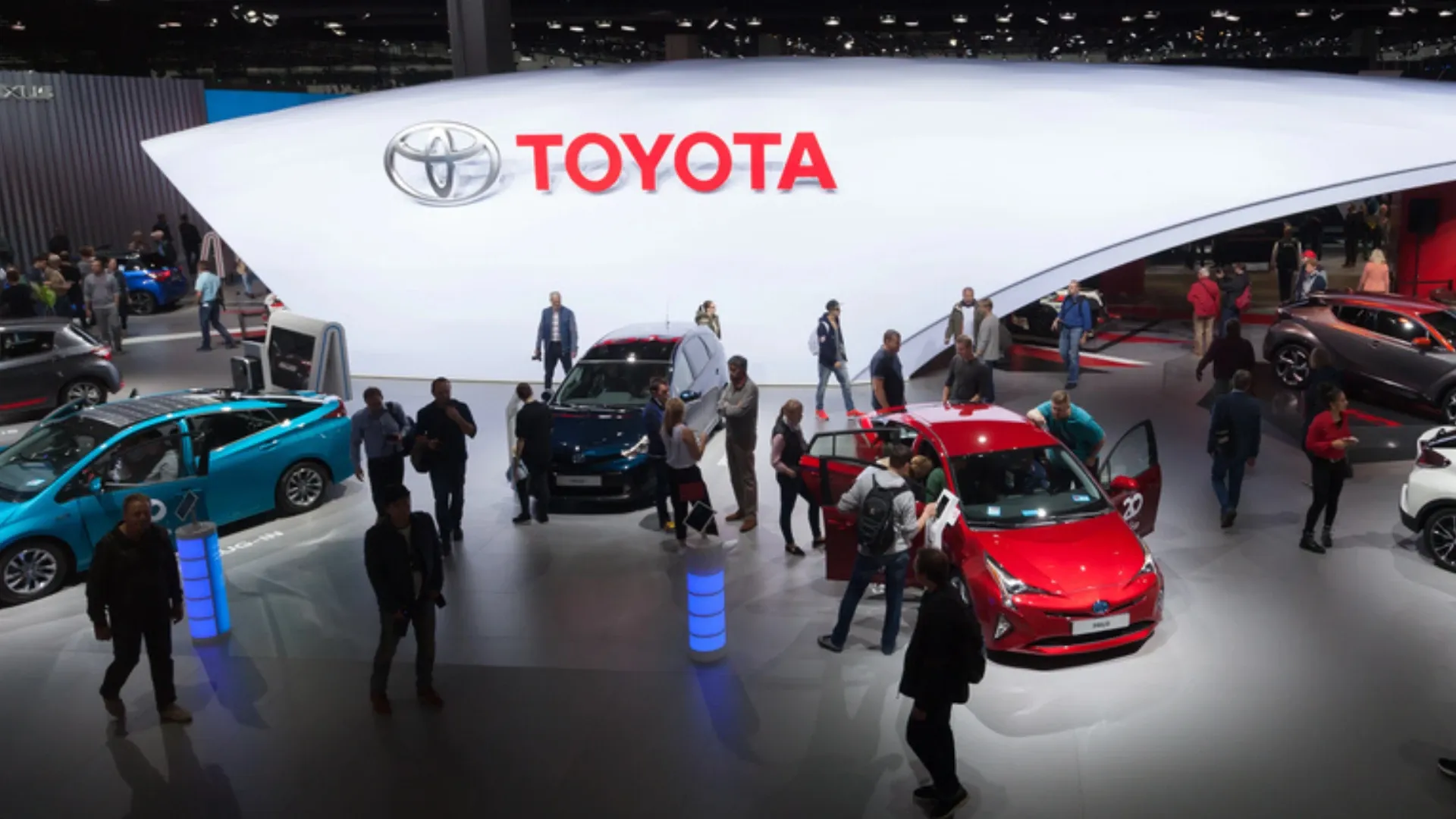
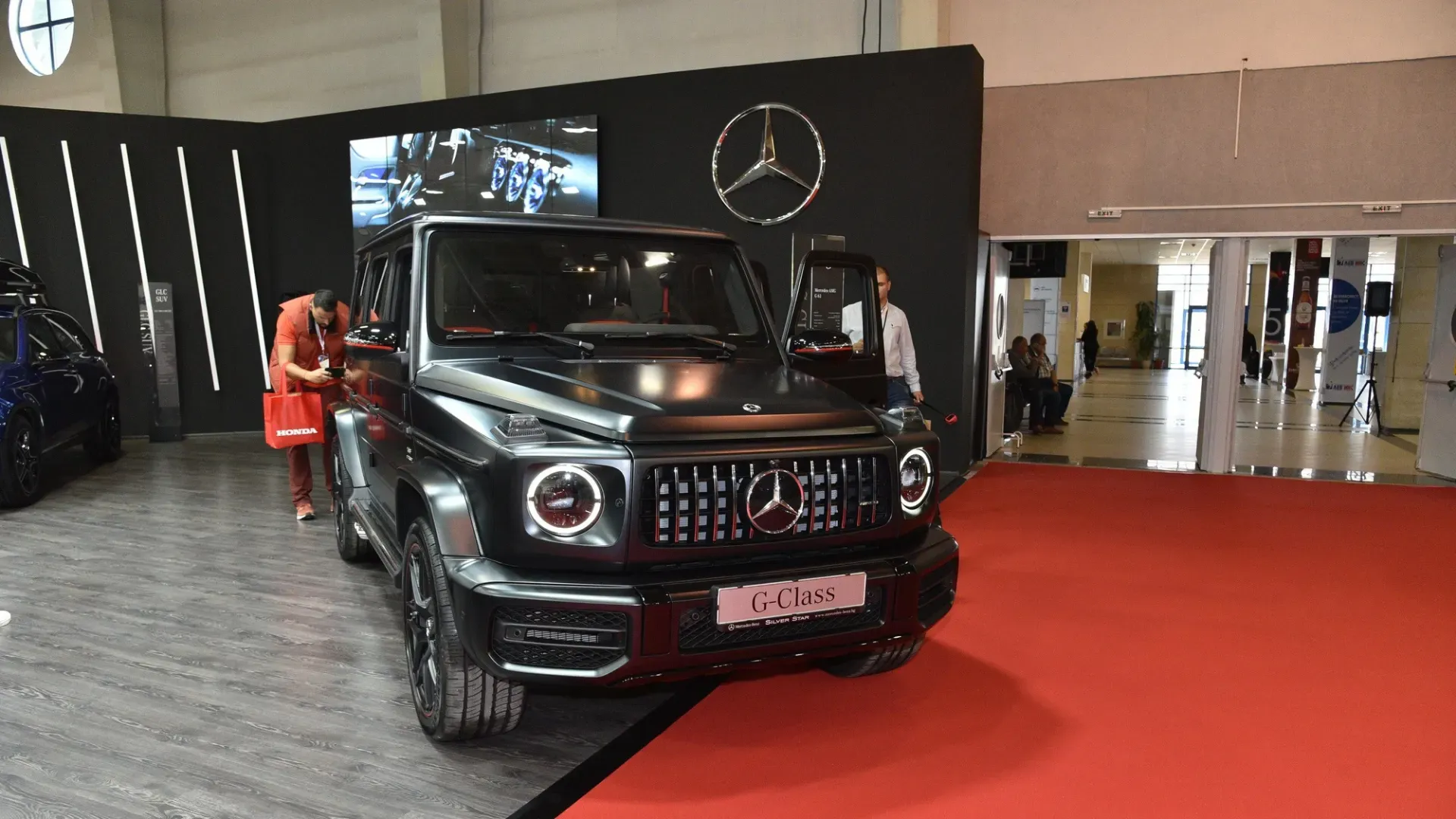
Few industries illustrate Germany’s industrial challenge more clearly than automotive manufacturing. Car production supports a vast network of suppliers, engineering firms, logistics companies and specialist manufacturers. Changes in vehicle technology and global competition therefore affect far more than the manufacturers whose names appear on showroom floors.
The transition towards electric vehicles, software-led mobility and more automated production requires substantial investment. German manufacturers must develop competitive products whilst responding to changing consumer preferences, international trade barriers and pressure from overseas rivals. Companies that delay investment in new technologies risk losing market share, whilst those that restructure too aggressively may weaken the industrial expertise needed to compete in the future.
Recent developments at Audi highlight the scale of the dilemma. On 8 October, Reuters reported that the Neckarsulm factory was among four Volkswagen Group production sites facing possible closure from 2031 unless viable alternatives could be found. Audi’s leadership stressed the need to improve costs, speed and productivity, whilst exploring a sustainable future for the plant. Around 15,000 people work at the Neckarsulm site, illustrating the employment implications of decisions taken within a single manufacturing group.
The challenge is to modernise production without treating job reductions as the default route to competitiveness. Manufacturers could explore new vehicle programmes, component production, partnerships with technology companies and alternative industrial applications for existing facilities. Such solutions would not preserve every position automatically, but they could help retain valuable production capabilities and give workers a more credible path through the transition.
Germany’s recovery will depend partly on whether public investment can stimulate private-sector activity. Infrastructure spending can support demand for construction materials, electrical equipment, engineering services and transport systems. Increased defence procurement can also generate opportunities for manufacturers of vehicles, machinery, electronics and specialised components. There are encouraging signs in these areas. Germany’s July manufacturing orders rose by 2.5 per cent month on month, driven largely by exceptionally strong orders for other transport equipment, including aircraft, ships, trains and military vehicles. Yet orders excluding large-scale contracts declined by 1.4 per cent. The distinction matters: large government-linked contracts can strengthen particular industries without necessarily demonstrating a broad recovery across the manufacturing economy.
Investment in digital infrastructure offers another opportunity. Artificial intelligence, semiconductor manufacturing equipment, industrial robotics and data-centre technologies could create new demand for German engineering expertise. The country does not need to abandon its traditional strengths to participate in these markets. Instead, it can apply its experience in precision engineering, industrial automation and advanced materials to emerging industries. To convert these opportunities into lasting growth, however, businesses must be confident that public investment will be delivered consistently. Uncertainty over funding, regulation or project timelines can discourage the very private investment that government spending is intended to encourage.
Employment remains one of the most difficult dimensions of Germany’s industrial adjustment. The ifo Institute’s September 2026 Employment Barometer rose slightly to 95.1 points from 94.8 in August, indicating some stabilisation. Nevertheless, its assessment found that manufacturers continued to plan workforce reductions, with hiring intentions concentrated in a limited number of sectors, including food production and manufacturers of data-processing equipment and electronic and optical products.