

Australia’s Critical Minerals Ambition: Can It Become a Global Supply Chain Powerhouse?
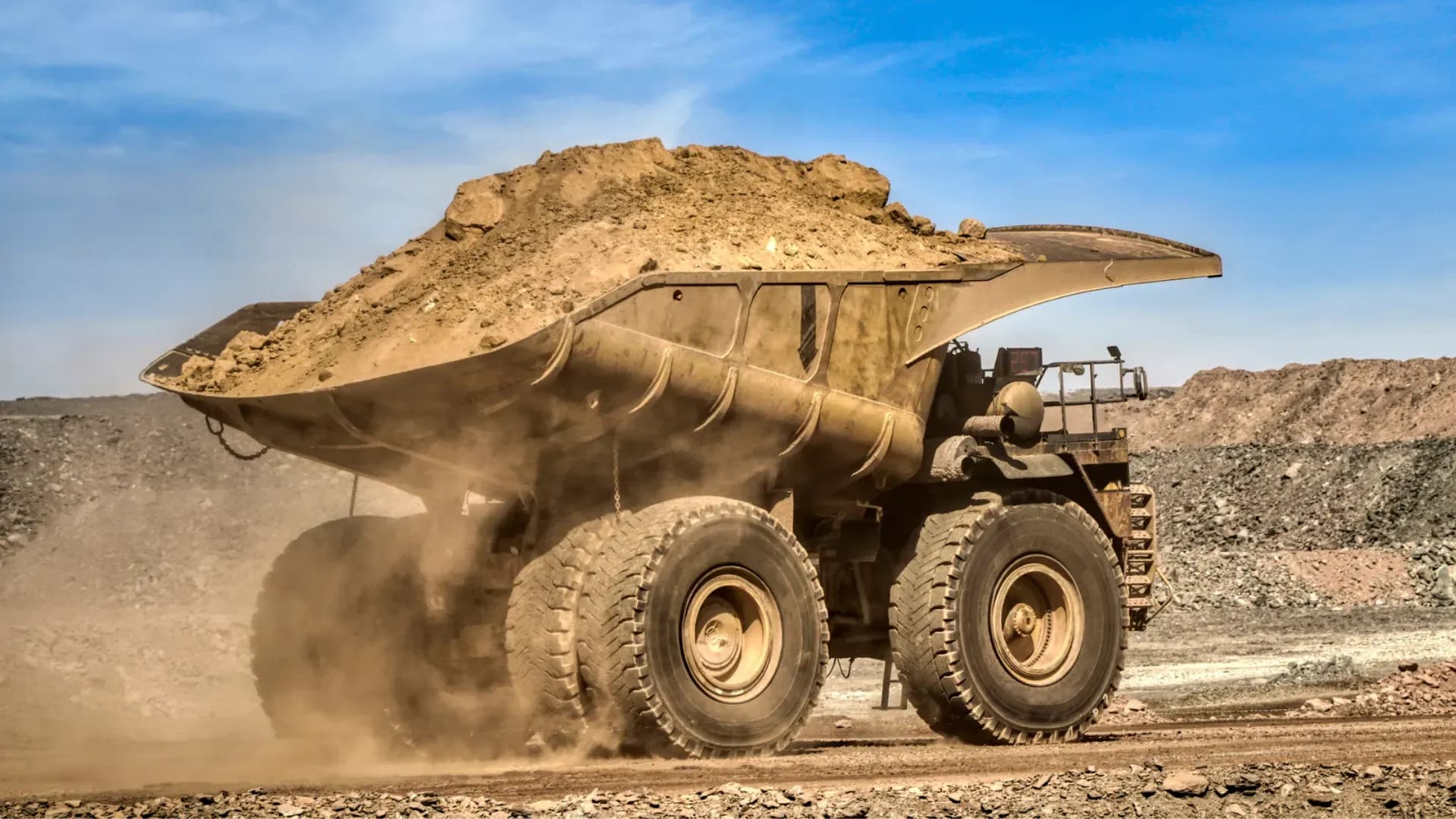

The global race for critical minerals is entering a decisive phase, as governments and industries increasingly recognise that control over essential natural resources will shape the future of economic competitiveness, technological advancement and national security. From electric vehicle batteries and renewable energy systems to artificial intelligence infrastructure, semiconductors, aerospace and advanced defence technologies, critical minerals have become indispensable to the modern global economy. Against this backdrop, Australia is positioning itself as a major alternative supplier, seeking to transform its considerable mineral wealth into a stronger presence across international supply chains.
Australia's ambitions have gained fresh momentum following the government's announcement of its refreshed Critical Minerals Strategy on 27 October 2026. The updated framework places greater emphasis on domestic processing and refining, strategic partnerships and the development of industrial capabilities. Rather than concentrating primarily on extracting and exporting raw materials, Canberra wants to capture a greater share of the economic value generated throughout the mineral supply chain. The move reflects a broader geopolitical shift, as countries increasingly seek dependable sources of essential resources amid intensifying competition and growing concerns about concentrated global production.
Australia already holds an influential position in the international mining industry. Its substantial reserves of lithium, rare earth elements, nickel, cobalt, graphite and other strategically important resources provide a strong foundation for future expansion. The country has established itself as one of the world's leading lithium producers, supplying materials essential to battery manufacturing and energy storage. However, possessing abundant natural resources does not automatically translate into control over the industries that transform these materials into commercially valuable products. Processing, refining and advanced manufacturing remain concentrated in a relatively small number of markets, creating a significant opportunity for Australia to strengthen its industrial position.
China's dominance across several critical mineral processing industries remains one of the biggest challenges facing global supply chain diversification. Its influence extends beyond mining into refining, chemical processing, battery materials and permanent magnet manufacturing. This concentration has become increasingly significant as geopolitical tensions and export restrictions expose vulnerabilities in international trade. The International Energy Agency's Global Critical Minerals Outlook 2026 highlights that the leading refining countries accounted for more than three-quarters of growth in refined supply across several key markets during the previous two years. Excluding rare earths, the average share of the leading refining country increased to 72 per cent in 2025, compared with 70 per cent in 2023.
These developments have strengthened the case for alternative supply networks. China's export restrictions on selected rare earth elements and other strategic materials have demonstrated how disruptions within concentrated supply chains can affect industries far beyond the mining sector. For countries seeking reliable access to materials used in electric vehicles, electronics, defence equipment and renewable technologies, diversification is increasingly becoming an economic and national security priority. Australia could benefit considerably from this changing environment, particularly through its established mining industry, stable investment framework and relationships with major industrial economies.
The refreshed Australian Critical Minerals Strategy represents an important step towards achieving this objective. The government has identified processing and refining as central priorities, recognising that the greatest long-term economic opportunities will come from developing capabilities beyond extraction. Its wider policy framework includes the A$1.2 billion Critical Minerals Strategic Reserve, an expanded A$5 billion Critical Minerals Facility and the Critical Minerals Production Tax Incentive. The latter is scheduled to commence on 1 July 2027, offering a refundable 10 per cent tax offset on eligible Australian critical minerals processing expenditure. Together, these measures are intended to improve project financing, encourage investment and strengthen the commercial foundations of domestic processing industries.
The Strategic Reserve is particularly significant because it reflects Australia's intention to become more than a conventional commodity exporter. Its initial priority materials include antimony, gallium and rare earth elements, all of which have important applications in advanced manufacturing, defence and emerging technologies. Rather than relying exclusively on physical stockpiling, the initiative can support strategic projects through mechanisms such as securing offtake rights and helping aggregate supply and demand. Such arrangements could give producers greater commercial certainty while providing international partners with more reliable access to essential materials.
International partnerships are another important component of Australia's strategy. Its cooperation with the United States has gained considerable momentum since the two countries signed their critical minerals framework in October 2025. According to an Australian government update published in October 2026, the partnership has facilitated more than A$6 billion in conditional financing support across over a dozen projects. Among the developments are Alcoa and Sojitz's Gallium Recovery Project in Western Australia and Arafura Rare Earths' Nolans Project in the Northern Territory, both of which reached final investment decisions in 2026 and entered construction.
The significance of these projects extends beyond their individual production potential. Gallium is essential for specialised semiconductors, telecommunications and advanced defence applications, while rare earth elements are important for permanent magnets used in electric vehicles, wind turbines and precision technologies. Developing domestic production and processing capabilities in these areas could strengthen Australia's position in industries where supply security is becoming increasingly important. Cooperation with the United States also demonstrates how coordinated public financing, investment and commercial offtake arrangements can help advance projects that might otherwise struggle to compete against established international producers.
Europe and other industrial economies are also seeking closer relationships with resource-rich countries. Australia's cooperation with the European Union and Canada provides opportunities to establish more diversified mineral networks, particularly as governments attempt to reduce dependence on concentrated processing markets. Australia's ability to supply responsibly sourced materials, combined with its established trading relationships, could make it an attractive partner for manufacturers seeking greater supply chain transparency and resilience.
Nevertheless, attracting investment will require more than government announcements and international agreements. The economics of critical mineral processing remain challenging. Established producers, particularly in China, benefit from substantial industrial infrastructure, specialised equipment, skilled workforces and economies of scale. New processing facilities in Australia may face higher construction, energy, labour and operating costs. Consequently, even when international manufacturers express interest in diversified supplies, securing long-term purchasing agreements at commercially sustainable prices can remain difficult.
The International Energy Agency has highlighted this structural imbalance in its 2026 assessment. Investment in critical minerals declined by 9 per cent during 2025, while capital spending on battery metals fell by more than 20 per cent. Lithium-focused companies reduced investment by approximately 40 per cent amid market uncertainty. Although prices recovered in 2025 and early 2026, the industry continues to face volatility, making long-term investment decisions more complicated. Australia's challenge will therefore be to ensure that government-backed projects remain commercially competitive beyond their initial funding and development stages.
Environmental considerations will also influence the industry's long-term prospects. Mining and processing operations require substantial energy, water and infrastructure, while waste management and land rehabilitation remain important responsibilities. Australia has an opportunity to distinguish itself through responsible extraction, lower-emissions processing and transparent environmental standards. However, these commitments must translate into measurable operational improvements rather than simply becoming part of investment marketing. Maintaining strong relationships with local communities and Indigenous groups will also be essential to securing the social acceptance required for large-scale resource development.
Another opportunity lies in recycling and technological innovation. As electric vehicle adoption expands and renewable energy infrastructure matures, growing quantities of batteries, electronic components and permanent magnets will eventually reach the end of their useful lives. Recovering lithium, cobalt, nickel, copper and rare earth elements from these products could create an additional domestic source of supply. The development of advanced recycling facilities, mineral recovery technologies and specialised research capabilities could help Australia build a more integrated industrial ecosystem while reducing its dependence on newly extracted resources.
Australia's investment pipeline suggests that international interest is developing. Austrade's October 2026 update identifies 94 investment-ready critical minerals projects, comprising 58 upstream developments and 36 midstream projects. This represents opportunities across exploration, mining, processing, refining and associated technologies. Converting this pipeline into operational facilities will depend on financing availability, infrastructure development, regulatory certainty and sustained demand from international manufacturers.
Ultimately, Australia's ambition to strengthen its position in global critical minerals supply chains is both an economic opportunity and a strategic undertaking. Its natural resource base provides a considerable advantage, while government incentives and international partnerships are helping address some of the financial and geopolitical barriers facing emerging projects. However, the country's long-term success will depend on its ability to establish competitive processing industries, attract sustained private investment and build stronger connections with downstream manufacturers.
The global transition towards cleaner energy, advanced manufacturing and emerging technologies is unlikely to reduce the importance of critical minerals. Instead, competition for secure and reliable supplies is expected to become an increasingly defining feature of international economic relations. For Australia, the opportunity is no longer simply to supply the world with minerals, but to become an essential participant in the industries that depend on them. Whether it can achieve this transformation will depend on how effectively it converts geological wealth, policy ambition and international cooperation into lasting industrial strength.