
The New Capital Race in Aerospace and Advanced Manufacturing


North America's defence industry is entering a significant period of industrial transformation. What was once largely driven by government procurement, established aerospace manufacturers and traditional military contractors is increasingly attracting a broader range of investors, technology companies and advanced manufacturing businesses. The changing geopolitical environment, growing security requirements and renewed emphasis on domestic production are reshaping how the United States, Canada and Mexico approach defence manufacturing.
The transformation is not simply about producing more aircraft, military vehicles or sophisticated weapons. It is about developing an industrial ecosystem capable of designing, manufacturing, maintaining and upgrading critical defence technologies at scale. Aerospace engineering, artificial intelligence, autonomous systems, advanced materials, precision manufacturing and secure supply chains are becoming central to this new industrial landscape.
The United States remains the region's largest defence manufacturing market, supported by substantial federal procurement programmes and an established network of aerospace and military contractors. Canada is increasingly positioning its industrial capabilities around national security, technological sovereignty and defence exports, while Mexico is strengthening its role in regional aerospace manufacturing and advanced component production. Together, these developments are creating new opportunities for investment across the North American industrial economy.
One of the strongest forces behind this transformation is the changing international security environment. Conflicts, strategic competition between major powers, cyber threats and concerns about the security of critical infrastructure have encouraged governments to reconsider their dependence on international supply chains. Defence planners are increasingly recognising that military strength depends not only on the quality of equipment but also on the ability to manufacture and replenish it quickly. Production capacity, access to specialised materials, skilled engineering talent and reliable component suppliers have therefore become strategic priorities.
The United States Department of Defence's fiscal year 2026 budget framework places renewed emphasis on rebuilding the defence industrial base. Its priorities include strengthening supply chains, preparing the workforce, improving acquisition processes and expanding production capacity. The underlying objective is to create a more adaptable manufacturing system capable of responding to changing military requirements.
A particularly important development is the growing attention given to ammunition and missile production. A report published by the US Government Accountability Office on 19 November 2026 highlighted persistent shortages in several categories of munitions and identified weaknesses in the Department of Defence's long-term production planning. The findings demonstrate why industrial capacity is attracting attention from policymakers and investors alike. Military procurement commitments must ultimately translate into factories, machinery, qualified suppliers and dependable production schedules.
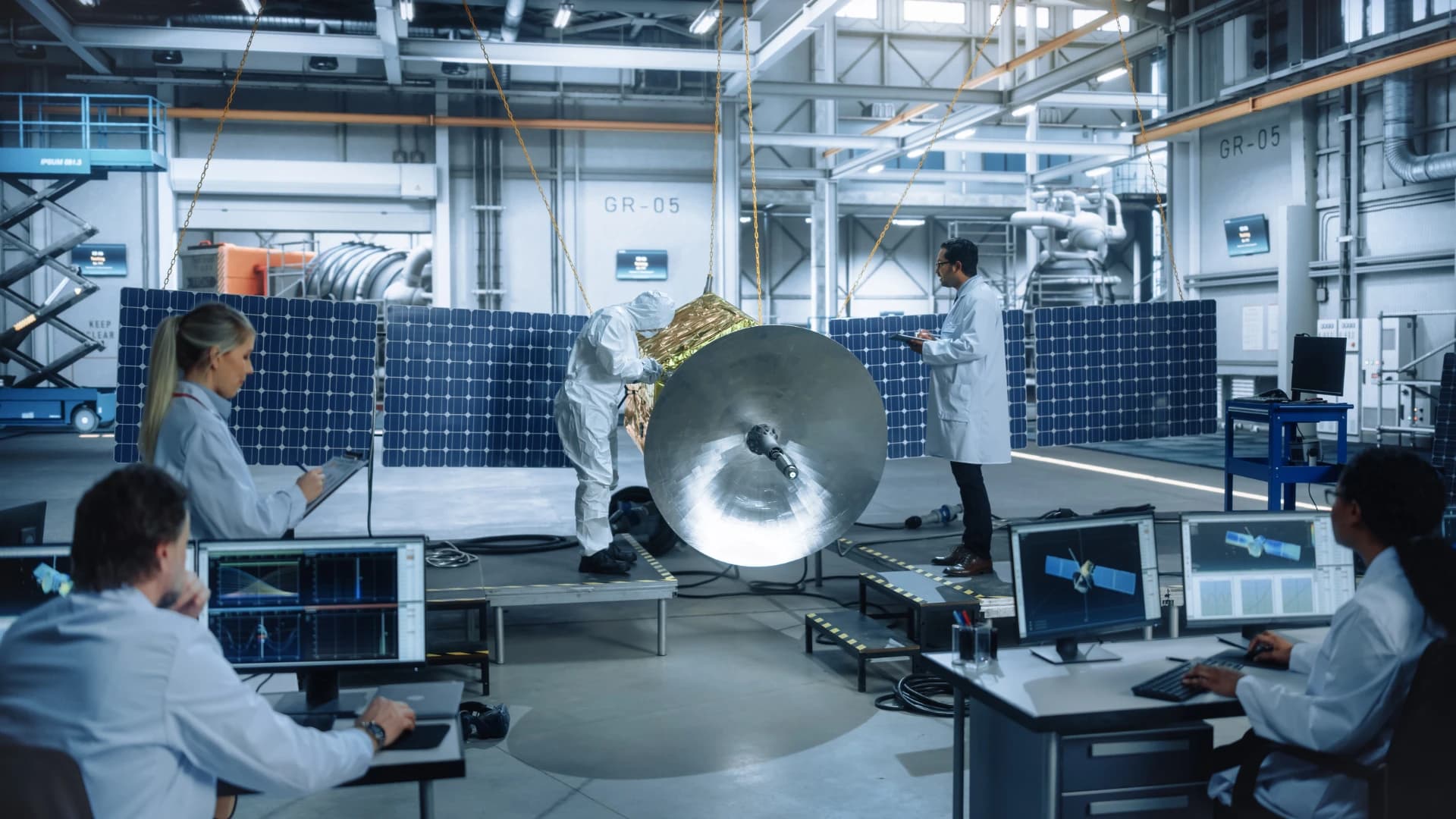
Aerospace manufacturing is emerging as one of the most important beneficiaries of North America's defence industrial expansion. Modern military aircraft, propulsion systems, surveillance platforms, satellites and unmanned aerial vehicles require increasingly sophisticated engineering capabilities. These requirements are creating opportunities for established aerospace manufacturers as well as smaller specialist businesses.
The sector's investment appeal extends beyond aircraft assembly. Engine manufacturing, avionics, advanced composites, precision components, maintenance and repair services, and aerospace software are all becoming strategically important. Manufacturers capable of supplying specialised components to major aerospace programmes could benefit from stronger demand as governments seek more reliable domestic and allied production networks.
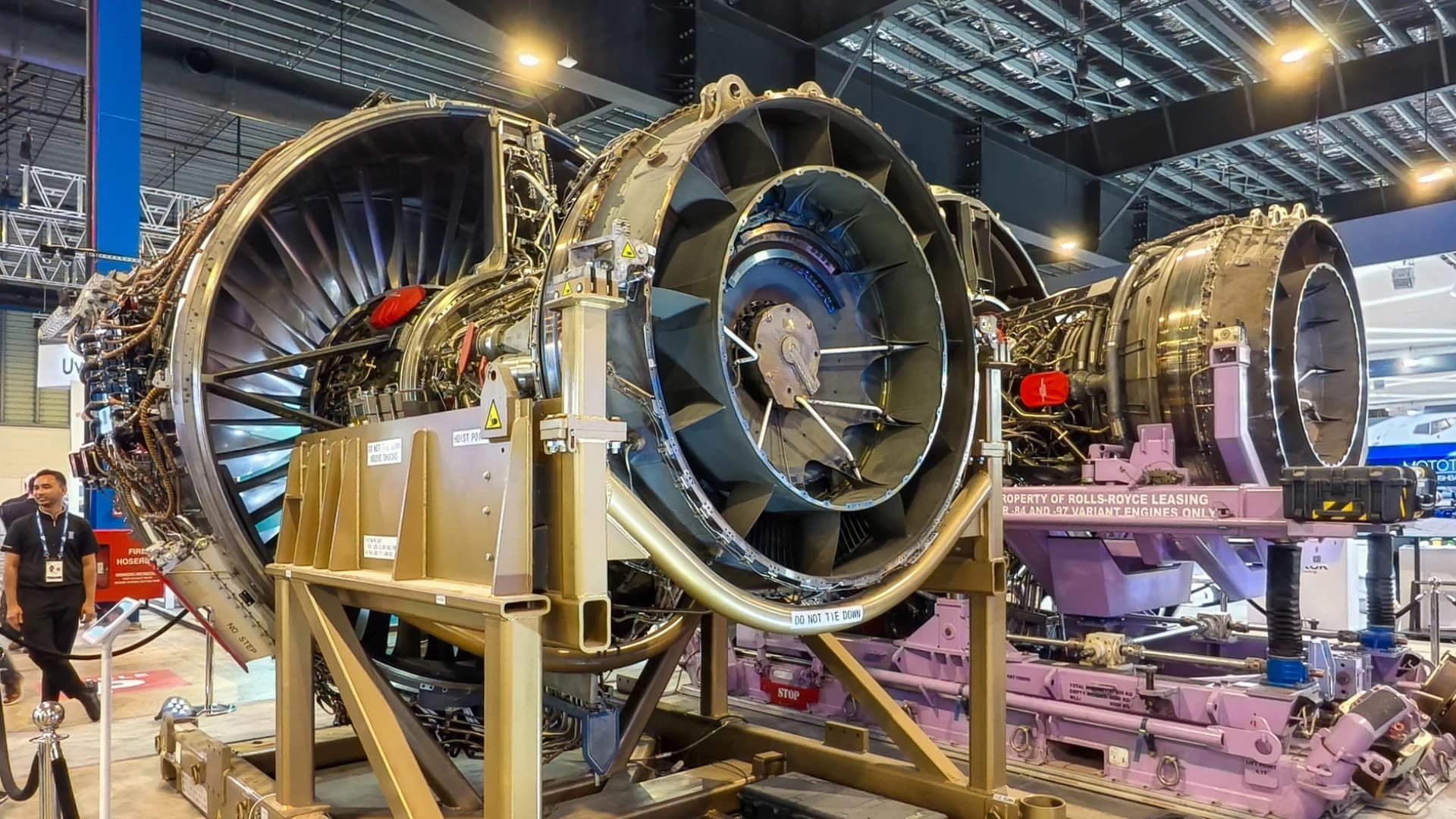
Canada provides an important example of this direction. At the Farnborough International Airshow in July 2026, the Canadian Government announced support of up to C$34 million for a C$275 million modernisation project at Pratt & Whitney Canada's manufacturing centre of excellence in Longueuil, Quebec. The initiative is intended to strengthen advanced engine manufacturing capabilities and maintain approximately 650 jobs. The investment also reflects a broader recognition that aerospace expertise can support both commercial aviation and national defence. Companies with capabilities in turbine engines, materials engineering and precision manufacturing are particularly well positioned to participate in this expanding industrial ecosystem.
Canada is becoming an increasingly important part of North America's defence industrial transformation. In February 2026, Prime Minister Mark Carney launched the country's first Defence Industrial Strategy, setting out an ambitious framework to strengthen domestic manufacturing, expand technological capabilities and increase participation by Canadian businesses in defence procurement.
The strategy identifies approximately C$180 billion in defence procurement opportunities and C$290 billion in defence-related capital investment opportunities over the following decade. It also aims to increase the proportion of defence acquisitions awarded to Canadian companies to 70%, alongside an expansion of defence exports and industrial revenues.
The programme places particular emphasis on aerospace, shipbuilding, land systems, space technologies and digital capabilities. It also includes funding for drone innovation and the development of aircraft research and technology demonstration capabilities. These priorities indicate that Canada's ambitions extend beyond purchasing military equipment: the government wants to establish a stronger domestic industrial foundation capable of supporting future generations of defence technology.
A further development arrived on 21 November 2026, when Canada announced its formal participation in the NATO Innovation Fund. As the first North American member, Canada will contribute more than €100 million, giving domestic innovators access to a fund with over €1 billion in deployable capital. The fund targets emerging technologies including artificial intelligence, autonomous systems, quantum computing, advanced materials, space and next-generation manufacturing.
This development is particularly significant for early-stage companies that often struggle to secure the financing required to move from research and development into commercial production. Access to international investment networks could help Canadian defence technology businesses expand beyond domestic markets and establish stronger relationships with European partners.
Mexico is developing a distinctive role in this industrial transformation through its established manufacturing infrastructure, competitive production environment and close integration with the North American economy. Although the country is not traditionally recognised as a major defence equipment producer, its aerospace manufacturing capabilities are becoming increasingly relevant to regional industrial development.
According to the US International Trade Administration's February 2026 industry assessment, Mexico ranked 12th globally in aerospace manufacturing in 2024 and was the world's fourth-largest exporter of aerospace products, with overseas shipments worth approximately US$10.7 billion. Its aerospace industry has developed a substantial network of manufacturers supplying aircraft components, electrical harnesses, airframe structures, avionics and specialised engineering products.
International manufacturers, including Airbus, Boeing, Safran, Honeywell and General Dynamics, have established industrial connections with Mexico. Aerospace manufacturing clusters in Querétaro, Chihuahua, Baja California and Nuevo León are helping strengthen the country's position within international production networks.