
Asia's Energy Crisis: Reshaping Industrial Growth

The Asia-Pacific region is entering a defining period for its energy and industrial economies. Rising oil and liquefied natural gas (LNG) prices, geopolitical tensions, disrupted shipping routes and growing dependence on imported fuels are forcing governments and businesses to reconsider the foundations of their industrial development. For decades, affordable energy imports supported the region's manufacturing expansion, strengthened export competitiveness and attracted international investment. However, the energy disruptions of 2026 have exposed the vulnerabilities behind this growth model, creating fresh uncertainty for industries ranging from petrochemicals and steel to electronics, automotive manufacturing and data centre infrastructure.
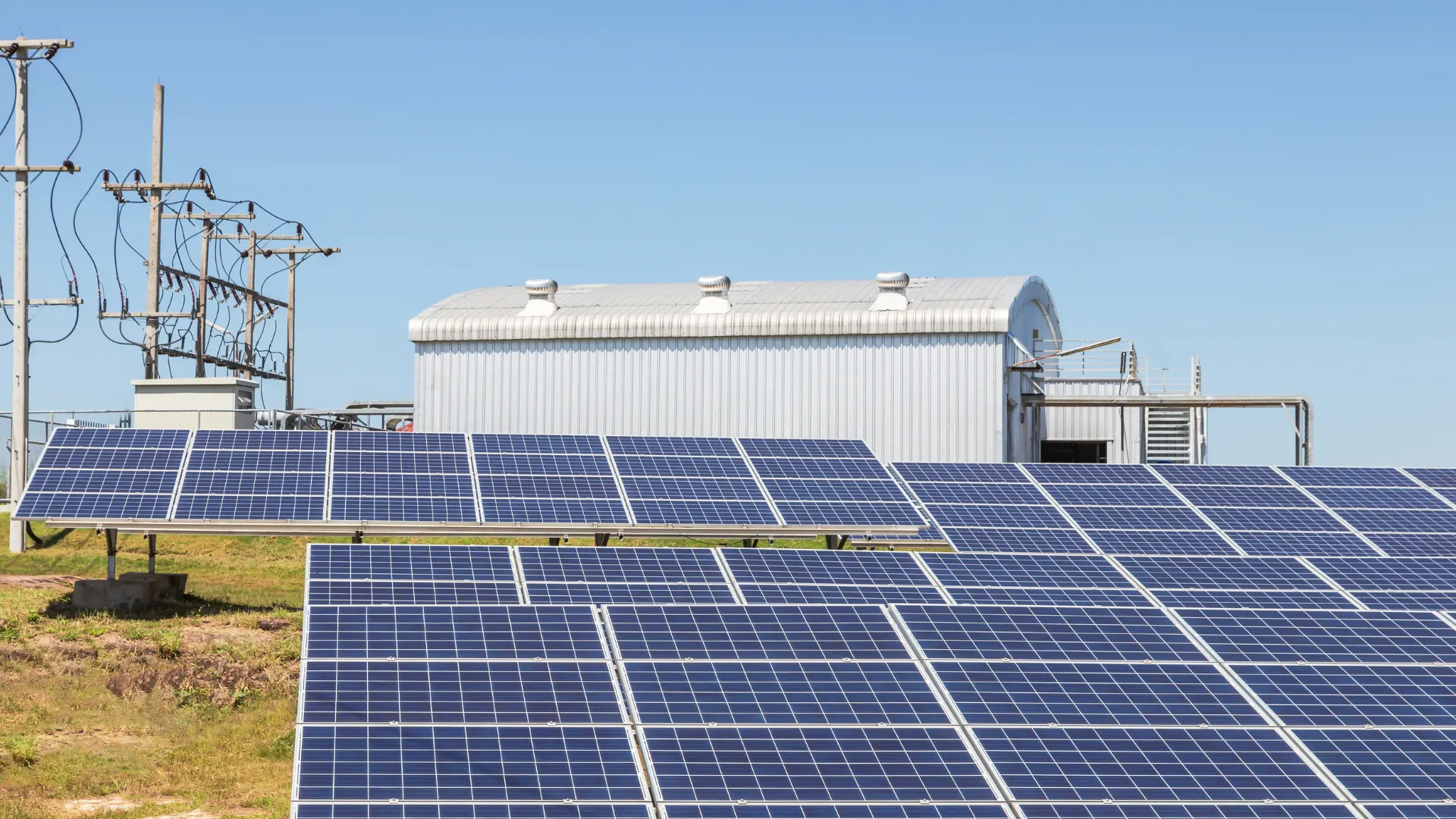
The challenge is no longer simply about securing sufficient fuel to keep factories operating. It is increasingly about ensuring that energy remains affordable, accessible and reliable enough to support long-term industrial competitiveness. As global energy markets experience renewed volatility, Asia-Pacific economies are beginning to redirect capital towards diversified energy supplies, domestic generation, renewable infrastructure and more resilient industrial systems.
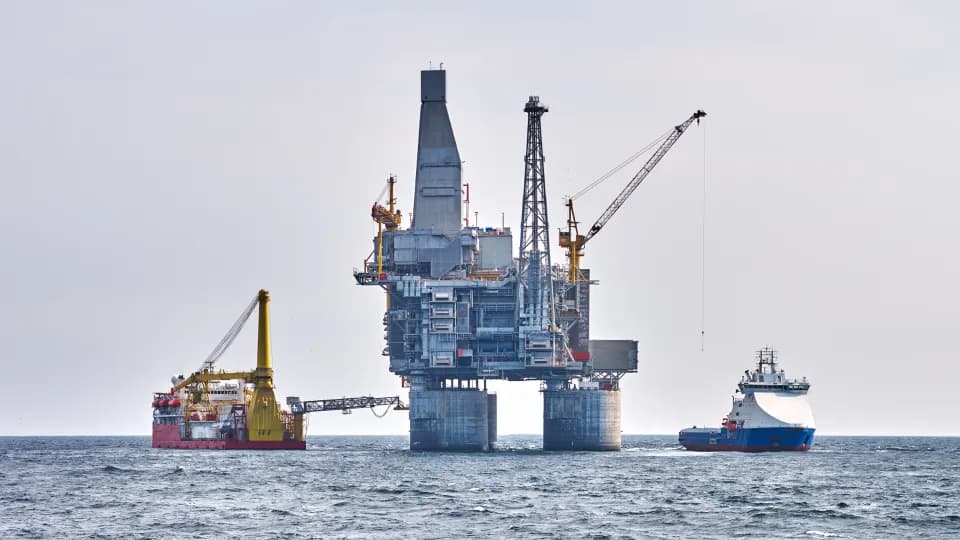
The disruption to energy shipments through the Strait of Hormuz in 2026 has become a significant turning point for Asia-Pacific's energy security strategy. The region depends heavily on imported crude oil and LNG, with substantial volumes historically arriving from the Middle East. Consequently, instability along critical maritime routes has exposed manufacturers, power producers and energy-intensive industries to sudden supply constraints and higher procurement costs.
According to McKinsey's October 2026 assessment, Asia consumes approximately 40 million barrels of oil per day but produces only around 10 million barrels domestically. The region also imported approximately 135–140 million tonnes of LNG from outside Asia during 2025. These figures demonstrate the structural imbalance between regional energy consumption and domestic production. The report estimates that Asia could require approximately $1 trillion in annual energy investment over the next 15 years to strengthen its energy system and support economic growth.
For industrial economies, the consequences extend beyond higher fuel bills. Shipping disruptions can delay production schedules, increase insurance and freight expenses, weaken supplier relationships and create uncertainty around future investment returns. Companies that previously prioritised low-cost manufacturing locations are increasingly examining the reliability of electricity networks, access to alternative fuels and the resilience of regional supply chains before committing capital.
LNG has become an increasingly important component of Asia-Pacific's energy mix, particularly for economies seeking to balance electricity demand, industrial development and emissions reduction. Japan, South Korea, China, India and several Southeast Asian countries rely on imported gas to support electricity generation, manufacturing and chemical production. However, the latest market developments have made this dependence increasingly expensive. The International Energy Agency's Global Gas Security Review 2026 reports that Asian spot LNG prices averaged approximately $21.5 per million British thermal units between March and October 2026, representing an increase of almost 80% year on year. The agency also estimates that global LNG production could decline by 3% during 2026, marking the steepest annual contraction on record, assuming continued disruption to Gulf supplies.
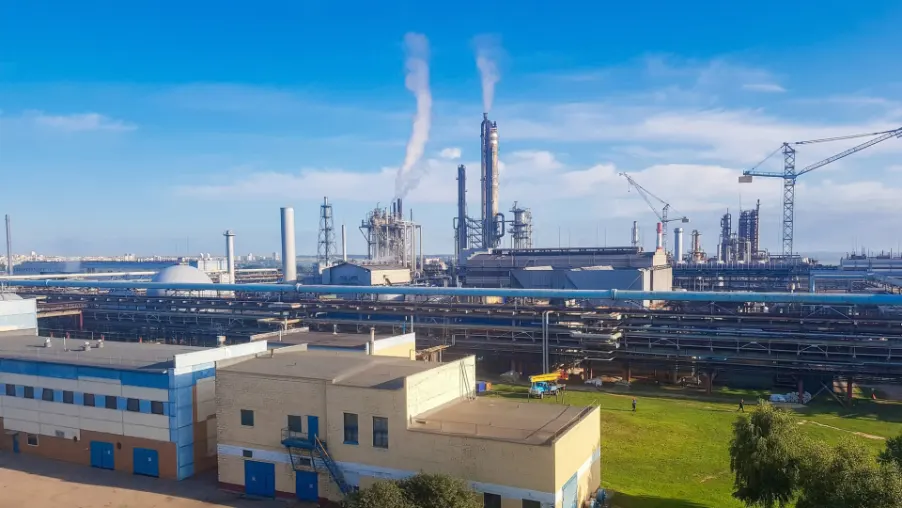
These conditions are particularly challenging for industries that require continuous and predictable energy supplies. Fertiliser manufacturers, chemical producers, glassmakers, ceramics companies and other gas-intensive businesses face higher operating costs when LNG prices rise. Unlike some service-sector businesses, industrial facilities cannot easily reduce energy consumption without affecting production volumes, product quality or delivery commitments.
The pressure is also influencing investment decisions. Developers considering new LNG-fired power stations and import terminals must now account for greater uncertainty around fuel costs, financing requirements and long-term electricity prices. According to an Institute for Energy Economics and Financial Analysis assessment published in November 2026, more than half of the proposed LNG-fired power projects and import terminals examined across the Philippines, Vietnam, Thailand and Bangladesh had been cancelled or made little progress between 2021 and 2026. This development suggests that the region's next phase of industrial investment may depend less on expanding LNG infrastructure alone and more on building a balanced energy system that can withstand fluctuations in international fuel markets.
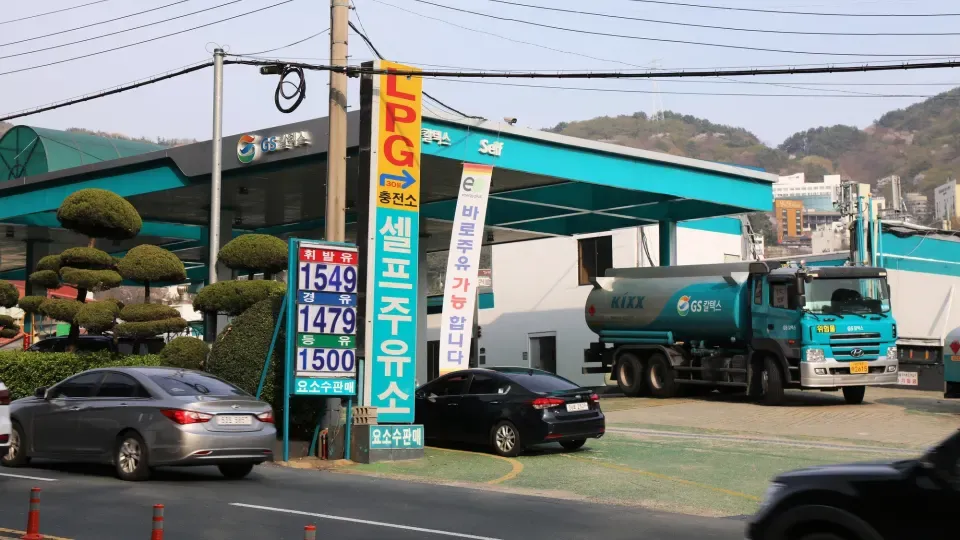
While LNG prices are placing pressure on electricity generation and gas-intensive manufacturing, oil market volatility is creating another layer of uncertainty for Asia-Pacific businesses. Crude oil remains essential to transportation, logistics, petrochemicals, plastics, synthetic materials and numerous industrial supply chains. Higher oil prices can therefore influence the cost of producing and transporting goods across multiple sectors simultaneously.
The International Energy Agency's November 2026 Oil Market Report highlights the scale of recent market instability. North Sea Dated crude prices fell from approximately $136 per barrel in early October to around $93 per barrel by the time of publication, following an improvement in Gulf exports. Nevertheless, the report noted that prices remained approximately $22 above pre-war levels. Freight costs for transporting crude from the Middle East to Asia also remained close to record levels, placing additional pressure on regional refiners.
For Asian manufacturers, these fluctuations make long-term production planning increasingly difficult. Companies operating on narrow margins must reconsider procurement contracts, inventory strategies and transportation arrangements. Petrochemical producers are particularly exposed because crude oil and natural gas provide essential feedstocks for plastics, industrial chemicals, synthetic fibres and other manufactured products. The uncertainty is encouraging businesses to diversify procurement sources, establish alternative supplier relationships and invest in more efficient production technologies. Refiners are also reconsidering traditional supply arrangements, with greater attention being given to crude imports from the Americas, Africa and other international markets.
Southeast Asia is emerging as one of the most exposed regions in the changing energy landscape. Rapid industrialisation, urbanisation, population growth and expanding manufacturing capacity are increasing electricity consumption while domestic oil production continues to decline. The International Energy Agency's October 2026 ASEAN Energy Security Review highlights that regional crude oil production has fallen by approximately 40% from its peak in the 1990s, while dependence on imports has increased. Electricity demand across Southeast Asia is projected to grow by an average of 5.4% annually between 2026 and 2030, supported by industrial expansion, cooling requirements and the rapid development of data centres.
For countries such as Vietnam, Thailand, the Philippines and Indonesia, maintaining affordable electricity is becoming a central economic priority. Manufacturing industries require dependable power infrastructure to attract international investment, particularly in sectors such as electronics, semiconductors, automotive components and advanced industrial production.