

Stellantis Backs Affordable Compact EVs to Regain Ground in Europe
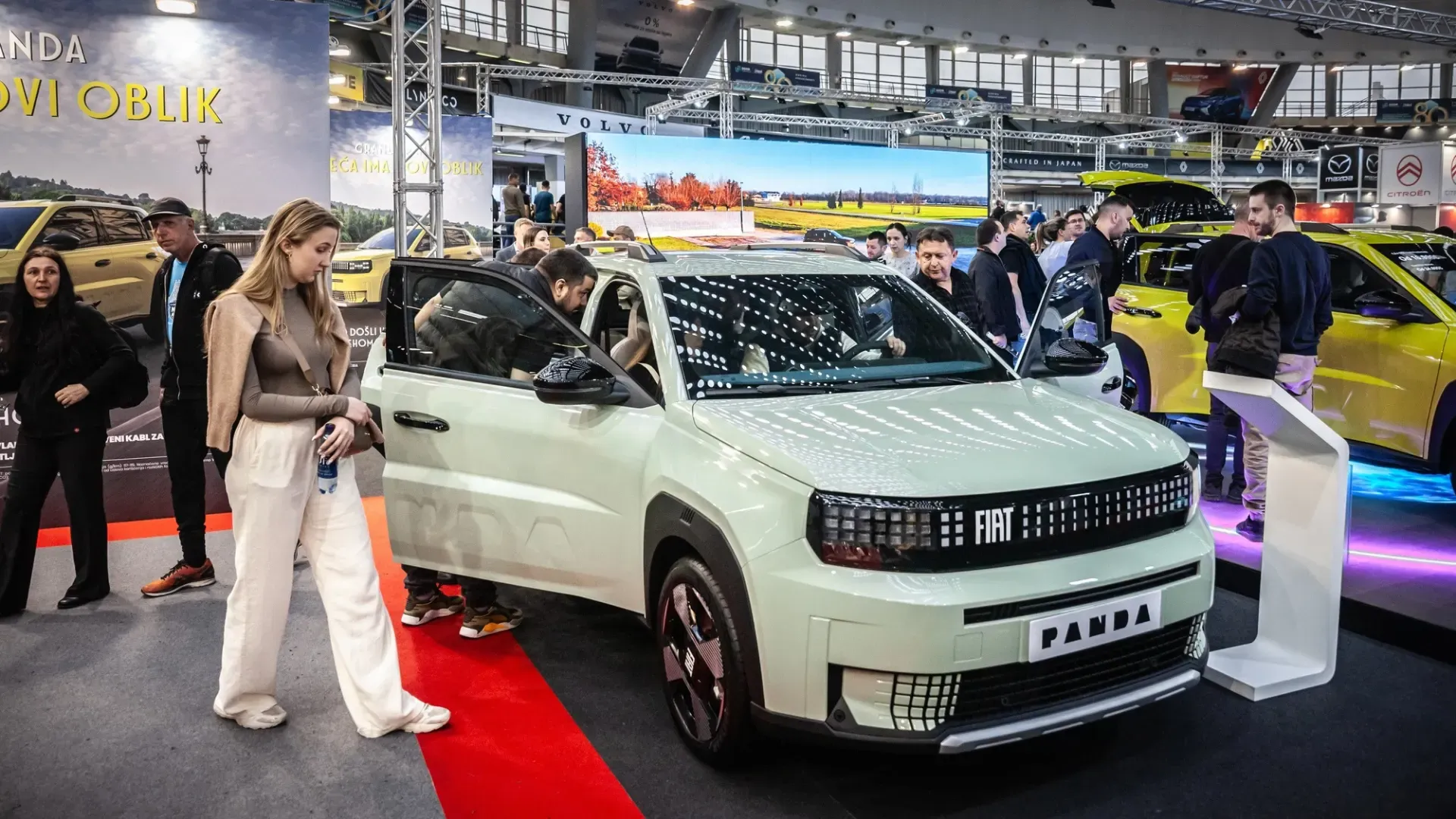

Stellantis is focusing on smaller, cheaper EVs to regain market share in Europe. The company launched its latest products ahead of the Paris Motor Show, where it unveiled several new models and concepts from its European brands. The focus is on regaining its position in the budget segment and competing with Chinese brands on prices.
The group's biggest revelation was a concept car designed in the iconic style of the Citroën 2CV. The proposed electric car would be available in the market by 2028. This electric car would become a part of the group’s “e-car” segment in Europe, which will target buyers who want an affordable option over petrol and expensive EVs.
Stellantis targets Europe’s shrinking entry-level market
The high price tags of EVs have prevented many thrifty European families from purchasing electric cars. Stellantis is hoping to fill the gap with its new e-car range, which will be priced at about €15,000. But whether the final pricing, specs and equipment of the car inspired by Citroën will attract mass-market customers remains to be seen.
The automaker unveiled its small-car program in May. Its production is expected to start in 2028 at the Pomigliano d’Arco factory in Italy. The factory has a rich tradition of manufacturing cheap cars, such as the Fiat Panda. Stellantis will develop the new electric cars with technology partners.
The approach also reflects a wider challenge for European manufacturers. They must lower EV prices without compromising safety, performance or build quality. Gartner research vice-president Pedro Pacheco described the Citroën 2CV concept as an early test of that balance. “It will be the first example of what an e-car is going to be,” he said.
Chinese competition raises the pressure
These plans arise as the Chinese producers increase their presence in Europe. About 20 Chinese brands are participating in the 2026 Paris Motor Show, double the number that participated in the previous year's show. The brands such as BYD and Chery are competing for customers due to fierce competition and declining demand for vehicles in China.
The competitiveness of Chinese manufacturers results from the competitiveness of prices of electric cars and expansion of the product portfolio. Therefore, for well-established European brands, there is a need to provide something else besides brand recognition and design. Such aspects as price, range, charging and equipment will affect buyers' decision to switch to electric cars.
The EU trade policy adds another factor to competition. The EU increased tariffs on Chinese-made battery electric vehicles in October 2024. On 12 October 2026, there was information about a new agreement between the EU and China aimed at restricting Chinese hybrid vehicle imports. These agreements may change the competitive situation, but they do not eliminate the need for European manufacturers to decrease costs of production.
Stellantis is responding through product development and closer cooperation with partners. Its Paris presentation included six of the nine concept cars it brought to the event. The group also showcased production models and new vehicles across its brands. The wider display signals an effort to rebuild visibility after several years of a lower-profile presence at major European motor shows.
A broader turnaround beyond small EVs
Affordable electric cars are part of Stellantis’ FaSTLAne 2030 recovery strategy, introduced in May. It involves more than €60 billion of planned investments and improvements in terms of cost reductions and innovations. In addition, Stellantis plans to enhance its presence in Europe while making its brands distinct such as Citroën, Fiat, Peugeot and Opel.
In this regard, the resurrection of Citroën 2CV provides a good illustration. It was known as an affordable and convenient mode of transportation in the past. Its new reincarnation may benefit from this reputation in the age of eco-mobility. Still, mere appeal to nostalgia is not enough for commercial success. Customers should get what they can afford.
Stellantis chief executive Antonio Filosa said the Paris event reflected the company’s broader plans. “This event brings our ... 2030 strategy to life,” he said. “It reflects the extraordinary effort of our teams and our commitment to shaping the future of mobility through iconic brands, compelling design and innovative technology.”
Execution will determine the outcome
However, the challenge will be whether Stellantis is able to bring the affordability promise to life. A low entry price will be insignificant if consumers have to spend a lot more on necessary features or if low volumes mean there is not enough supply. Battery prices, efficiency, and the technology partners chosen will determine the bottom line.
The target year of 2028 provides time for Stellantis to develop its offering, but it also allows other automakers to gain ground. Stellantis’ return to Europe will be about leveraging its small car expertise into affordable EVs.